How to Buy Gold in Kenya: Step-by-step Guide 2026
How to Buy Gold in Kenya: To buy gold in Kenya legally, source from a licensed dealer verified with the Ministry of Mining, insist on an independent assay certificate confirming purity and weight, agree payment terms through a traceable method (bank transfer, letter of credit, or escrow), and secure the full export document set — export permit, certificate of origin, assay certificate, commercial invoice, and packing list — before you release payment.
Today, 24K gold trades at roughly KES 18,000–18,500 per gram in Kenya, moving daily with international spot rates, so confirm the live rate with your supplier before finalizing any deal.
Kenya’s Gold Industry: Production, Regions, and Market Role
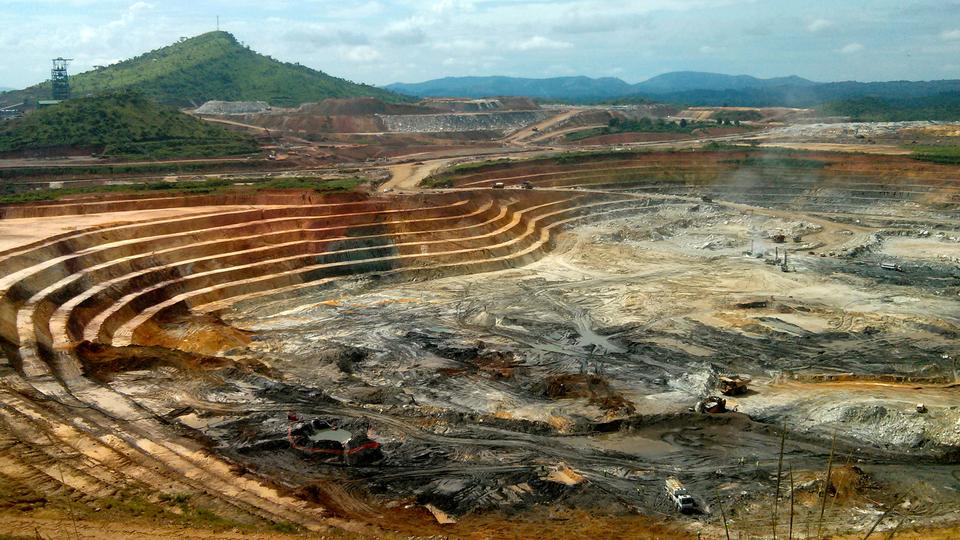
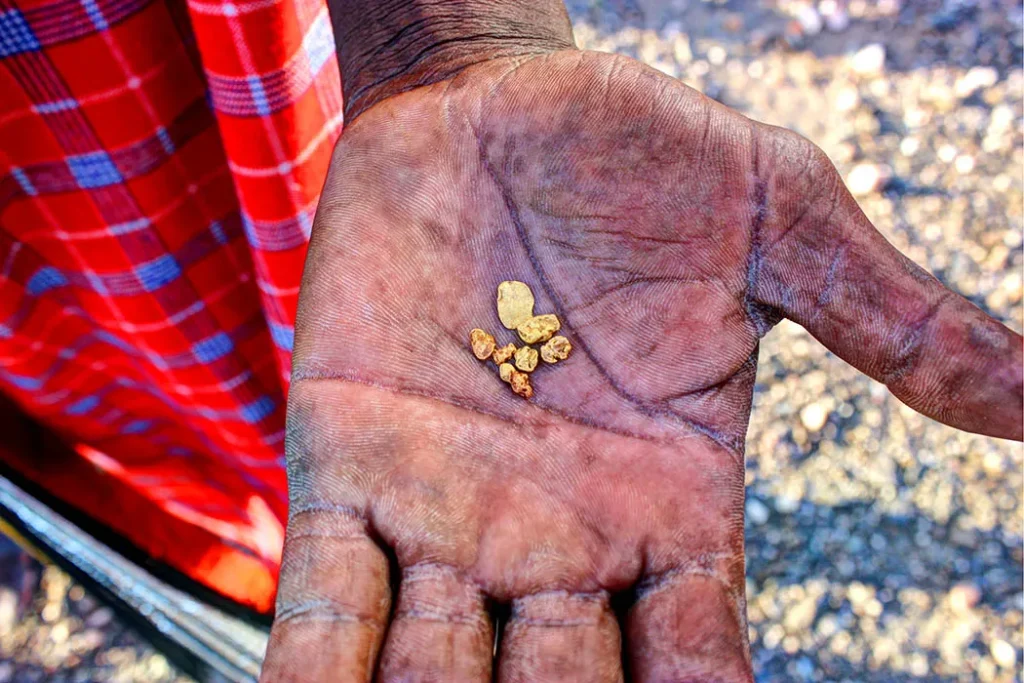
Gold mining in Kenya is dominated by artisanal and small-scale operations, with some larger-scale activity concentrated in Kakamega, Migori, Narok, Vihiga, and Busia counties in western Kenya — part of the wider Lake Victoria Gold Belt. Small-scale miners extract most of the country’s raw gold, nuggets, and gold dust using traditional methods.
Nairobi functions as the country’s main trading hub, where dealers aggregate, refine, and prepare gold for both domestic sale and export. Kenya operates as both a producer and a regional trading point, with gold from neighboring countries also moving through Nairobi’s dealer network en route to international buyers.
Step-by-Step: How to Buy Gold in Kenya
Step 1: Find a Licensed Gold Supplier
Verify the supplier’s Ministry of Mining license, company registration, and physical presence in Nairobi or a mining region. Request references, visit the facility where possible, and check for a documented track record. A legitimate supplier can show transparency from mine to export, not just a sales pitch.
Step 2: Verify Gold Purity
Insist on an independent assay report from an accredited lab — never accept a seller’s own stated purity as sufficient. Common purities sold in Kenya are 22K and 24K.
Assay certificates should confirm weight, fineness, and composition; for raw gold or nuggets, on-site testing or refinery certification is essential before you commit to a price.
Step 3: Request Export Documentation Early
International buyers should confirm all paperwork before payment, not after. The required set includes the export permit, certificate of origin, assay certificate, commercial invoice, and packing list. The licensed exporter (the seller) is normally responsible for obtaining the export permit itself.
Step 4: Agree on Secure Payment Terms
Use traceable payment methods — bank transfer, letter of credit, or an escrow arrangement. Avoid cash-heavy deals or untraceable payment requests, which are a common feature of scams. CIF (Cost, Insurance, Freight) terms are standard for gold leaving Kenya, and a clear written contract should specify quantity, price, purity, and delivery terms.
Step 5: Arrange Insured, Tracked Shipping
Shipments typically route through Jomo Kenyatta International Airport (JKIA) in Nairobi or Mombasa port. Work with a freight forwarder experienced in precious metals, and confirm customs clearance is complete before the shipment moves.
Types of Gold Sold in Kenya
| Gold Product | Typical Purity | Best For |
|---|---|---|
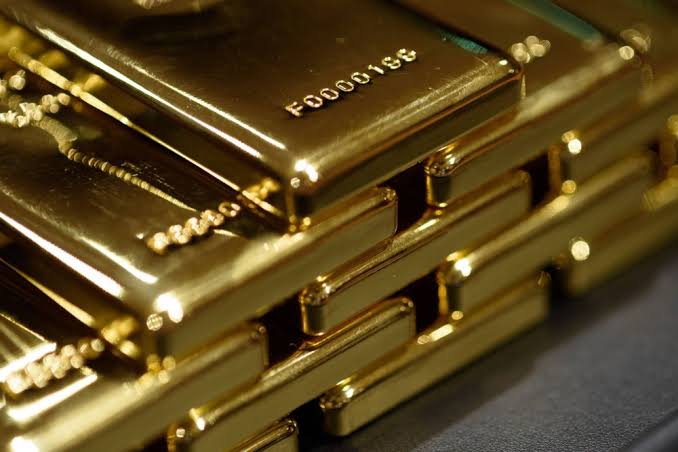
| Gold bars | 24K | Investors, bullion storage |
| Gold nuggets | 22K–24K | Collectors, refiners |
| Gold dust | Varies | Refining operations |
| Refined bullion | 99.9%+ | International trade |
24K gold bars are generally preferred for liquidity and standardized pricing. Bar sizes for sale in Kenya typically range from 1oz or 100g up to 1kg or more, depending on order volume.
Working With a Trusted Kenya Gold Dealer
A reputable supplier should offer verifiable sourcing, independent assay confirmation, complete export documentation, and secure, traceable transaction terms — not just a promise of “authentic gold.” When evaluating Kenya gold dealers or African gold suppliers, prioritize those with a documented licensing history, a physical presence you can verify, and a track record of completed international shipments rather than online-only claims.
Africa Gold Suppliers Ltd sources gold with full assay verification and export documentation, and manages CIF transactions, logistics, and compliance for buyers purchasing from Kenya and across the region. See our services for the full scope of what’s handled on your behalf.
Buyer Safety: Avoiding Gold Scams in Kenya
- Verify the seller’s identity and license before any payment discussion.
- Never pay in full before assay results and documentation are in hand.
- Use written contracts and escrow arrangements where possible.
- Be cautious of prices well below the current market rate — this is one of the most common scam indicators.
- Avoid sellers who pressure you to move quickly or skip verification steps.
- Work only with suppliers who can demonstrate full export support, not just a local sale.
Independent legal or agent guidance from someone experienced in mineral trade adds a further layer of protection for larger transactions.
Gold Export Procedures in Kenya
Exporting gold from Kenya requires compliance with the Mining Act and Kenya Revenue Authority (KRA) customs rules. The licensed exporter applies for an export permit per shipment through the Ministry of Mining. Additional requirements include:
- A mineral dealer’s license
- An assay certificate
- A certificate of origin
- KRA export declaration and tax compliance
- Customs clearance at the exit point
Royalties and taxes are assessed based on declared value. With documentation properly prepared in advance, the process typically takes days to a few weeks. Most international buyers work through an established Kenya-based supplier who manages these steps directly rather than handling export logistics themselves.
Current Gold Pricing in Kenya
Gold prices in Kenya track international spot rates, with a local premium applied to refined bars. As of September 2026, 24K gold trades at approximately KES 18,000–18,500 per gram, moving throughout each trading day — confirm the live rate directly with your supplier before agreeing a price, since even a same-day quote can shift meaningfully.
FAQs – How to Buy Gold in Kenya
Is it legal to buy gold in Kenya? Yes, for both Kenyan residents and foreign buyers, provided the transaction follows Mining Act regulations and goes through a licensed dealer.
Can foreigners buy gold in Kenya? Yes. Foreign buyers can purchase and export gold with the correct documentation. A buyer’s license is typically not required for personal or investment purchases — the licensing obligation falls on the exporter.
What documents are needed to export gold from Kenya? Export permit, assay certificate, certificate of origin, commercial invoice, packing list, and the relevant KRA customs declarations.
How much is gold in Kenya today? As of September 2026, 24K gold trades at roughly KES 18,000–18,500 per gram, though this moves daily — contact a supplier directly for a live quote before purchasing.
Where can I buy 24K gold bars in Kenya? Through verified, licensed dealers based in Nairobi or through an established African gold supplier with documented export capability.
How do I avoid gold scams in Kenya? Insist on independent assay verification, confirmed licensing, written contracts, and full export documentation. Treat unsolicited offers or high-pressure, cash-only deals as red flags.
Secure Your Gold Purchase in Kenya
Buying gold in Kenya safely comes down to three things: a licensed, verifiable supplier; independent purity verification; and complete export documentation before payment changes hands.
Africa Gold Suppliers Ltd handles sourcing, assay verification, and export logistics end-to-end for international buyers purchasing gold from Kenya. Contact our team to discuss your requirements, or review our FAQs about buying gold in Africa for answers to common cross-border buying questions.