
Top 20 FAQs About Buying Gold In Africa
Buying gold in Africa offers unique opportunities for investors seeking competitive prices, proximity to major producers, and diverse forms of the precious metal. This in-depth guide addresses the most searched questions on best countries to buy gold in Africa, legal requirements for buying and exporting gold from Africa, how to avoid gold scams in Africa, current gold prices in Africa vs global spot, and more. Whether you’re exploring how to buy gold from miners in Ghana or Uganda or navigating export regulations for African gold, these FAQs provide practical, up-to-date insights.
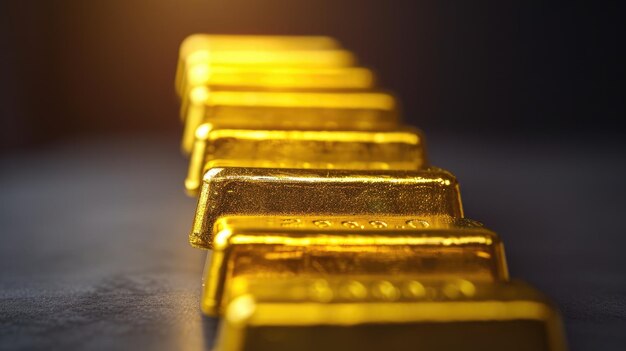
Below are the FAQs about Buying Gold in Africa
1. What are the best countries in Africa to buy gold in 2026?
The top countries for buying gold in Africa include Ghana, South Africa, Tanzania, Uganda, Mali, DRC, Sudan, and Burkina Faso. Ghana remains Africa’s largest producer with strong infrastructure through the Precious Minerals Marketing Company (PMMC). South Africa excels in refined, LBMA-certified bars. Uganda and Tanzania offer competitive prices on raw and semi-refined gold, while Mali and the DRC provide access to artisanal sources.
These nations balance production volume, legal frameworks, and accessibility for international buyers seeking cheap gold in Africa.
2. Is it cheaper to buy gold in Africa compared to other regions in 2026?
Yes, gold prices in Africa can be 3-8% below global spot for bulk purchases (25kg+) due to lower overheads and direct mine access. For example, 24K gold in Uganda often ranges around $102-107 per gram, compared to higher premiums elsewhere. Factors like local refining costs and currency fluctuations influence final pricing, but savings are real for serious buyers when including proper documentation and logistics.
3. What forms of gold can I buy when purchasing gold in Africa?
Buyers can acquire 24K gold bars, raw gold nuggets and dust, gold doré bars, and jewelry (18K-22K). South Africa specializes in investment-grade refined bars via facilities like Rand Refinery.
Uganda and Tanzania are known for artisanal nuggets suitable for export. Always demand assay reports confirming 99.5-99.99% purity for investment gold from Africa.
4. How do I verify the authenticity and purity of gold bought in Africa?
Verification involves independent assayers, hallmarks, serial numbers, and certificates from bodies like PMMC in Ghana or accredited labs. Use acid tests, density measurements, XRF analyzers, or third-party inspections.
On-site testing and LBMA-compliant reports minimize risks when buying gold in Africa. Professional assay upon delivery is essential.
5. What are the legal requirements for buying gold in Africa?
Foreign buyers must engage licensed dealers registered with national regulators (e.g., Ghana’s Minerals Commission, South Africa’s Department of Mineral Resources). Register a local business entity and obtain a gold trading license where required.
Comply with anti-money laundering (AML) rules, secure ethical sourcing certificates, and follow OECD guidelines for legal gold purchase in Africa.
6. Do I need a license to export gold from Africa?
Export licenses and permits are mandatory. In Ghana, secure approval via PMMC after valuation and tax payment. South Africa requires SARS clearance; Tanzania needs Mining Commission approval.
Required documents include proof of origin, assays, royalty payments (typically 3-6%), and certificates. Non-compliance can lead to seizure.
7. What are the risks of scams when buying gold in Africa?
Gold scams in Africa are common, often involving fake gold (brass plated as 24K), advance-fee fraud, or non-existent shipments. Red flags include unsolicited offers, demands for upfront payments, or deals far below spot.
Over 90% of random online solicitations are fraudulent. Mitigate by using licensed exporters, escrow, in-person visits, and minimum trial orders of 25kg+.
8. How much does it cost to buy gold in key African countries in 2026?
Prices track LBMA spot but vary locally. Approximate 24K per gram (USD): Uganda (~$102-107), Ghana (~$107-108), Tanzania/DRC (~$107-108), South Africa (~$108-109). Bulk 1kg bars can offer savings, but add refining premiums (1-3%), royalties, and logistics. Always check current spot for African gold prices 2026.
9. Can foreigners buy gold directly from miners in Africa?
Direct purchases are restricted in many countries to curb smuggling. Work through licensed intermediaries, cooperatives, or companies in Uganda, Ghana, or Tanzania. Minimum orders often start at 25kg with full documentation for buying gold directly from African miners.
10. What taxes and duties apply when importing gold from Africa?
Export royalties (3-6%) plus fees apply at source. Import duties vary: low in EU (0-5% with proper certification), higher elsewhere. Factor in VAT, Dodd-Frank compliance for the US, and potential bonded warehousing. Total added costs typically 5-12%. Consult customs for your destination.
11. Is it safe to travel to Africa to buy gold in person?
Safety depends on the location—South Africa and Ghana have better infrastructure, while parts of DRC or Mali require caution. Use reputable firms for escorted trips, follow travel advisories, get vaccinations, and avoid carrying large cash amounts. In-person verification greatly reduces gold buying risks in Africa.
12. What payment methods are secure for buying gold in Africa?
Prefer bank transfers (MT103/SWIFT), letters of credit, or reputable escrow services. Inspect goods before final payment. Avoid cash or unverified wires. Traceable methods ensure AML compliance in secure gold transactions Africa.
13. How do I transport gold safely after purchase in Africa?
Use professional logistics like Brinks or insured air freight from hubs such as Johannesburg or Entebbe. Costs range $500-2,000+ per kg including insurance (0.5-1%). Declare with full permits and use GPS tracking and secure vaults.
14. What role does the government play in gold trading in Africa?
Governments regulate through mining commissions, central banks, and marketing boards (e.g., PMMC in Ghana). They collect royalties, promote formalization, combat smuggling, and enforce EITI transparency standards for sustainable African gold market growth.
15. Can I buy gold online from African sellers?
Possible via verified platforms with virtual inspections and escrow, but in-person or trusted intermediaries are safer for first-timers. Require full assays, licenses, and documentation. Beware of unverified sites dominating online gold buying Africa scams.
16. What is the difference between artisanal and industrial gold in Africa?
Artisanal gold (common in Uganda, Tanzania) is often raw and cheaper but variable in purity (80-95%). Industrial gold (South Africa, large Ghana mines) is refined, certified, and more reliable for investment. Both play roles in the economy, but traceability differs.
17. How has the African gold market evolved in recent years?
Production exceeds 500 tons annually, with tightening regulations against smuggling, digital tracking, and growing local refining. Global price surges (gold hitting record highs in 2025-2026) boosted revenues, positioning Africa as a key supplier amid rising demand.
18. What tips do you have for first-time gold buyers in Africa?
Start with research (World Gold Council), partner with licensed entities, begin small with assays, budget for fees (5-12%), visit during optimal seasons, and prioritize ethical sources. Build relationships for long-term buying gold in Africa success.
19. Are there environmental or ethical concerns with African gold?
Yes—artisanal mining can involve mercury use, habitat disruption, and labor issues. Opt for OECD-compliant, conflict-free gold with ESG certifications. South Africa and formal operations lead in sustainability under frameworks like MPRDA and EITI.
20. How do global events affect gold prices in Africa?
African prices closely follow London spot, amplified by geopolitics, inflation, and USD shifts. Local factors like currency devaluation or policy changes add premiums. Bulk buyers can hedge volatility effectively.
21. How to buy 24K gold bars in Africa legally and safely?
Engage licensed refiners or exporters in Ghana or South Africa. Insist on LBMA accreditation, serial numbers, and full export documentation for buying 24K gold bars Africa.
22. What are current gold nugget prices and sourcing options in Uganda and Tanzania?
Nuggets from artisanal sources offer competitive pricing but require rigorous testing. Licensed brokers facilitate ethical purchases with minimum quantities.
23. Best ways to avoid fake gold scams when dealing with African suppliers?
Verify licenses, use third-party assays, avoid advance fees, and insist on in-person or video-verified inspections. Reputable intermediaries reduce risks significantly.
24. Requirements for importing African gold to USA or Europe?
Comply with export docs from Africa plus import rules (e.g., conflict-free certification under Dodd-Frank). Use professional customs brokers.
25. How does gold doré differ from refined bars for export from Africa?
Doré is unrefined alloy needing further processing; refined bars are investment-ready. Many buyers prefer doré for cost but account for refining fees.
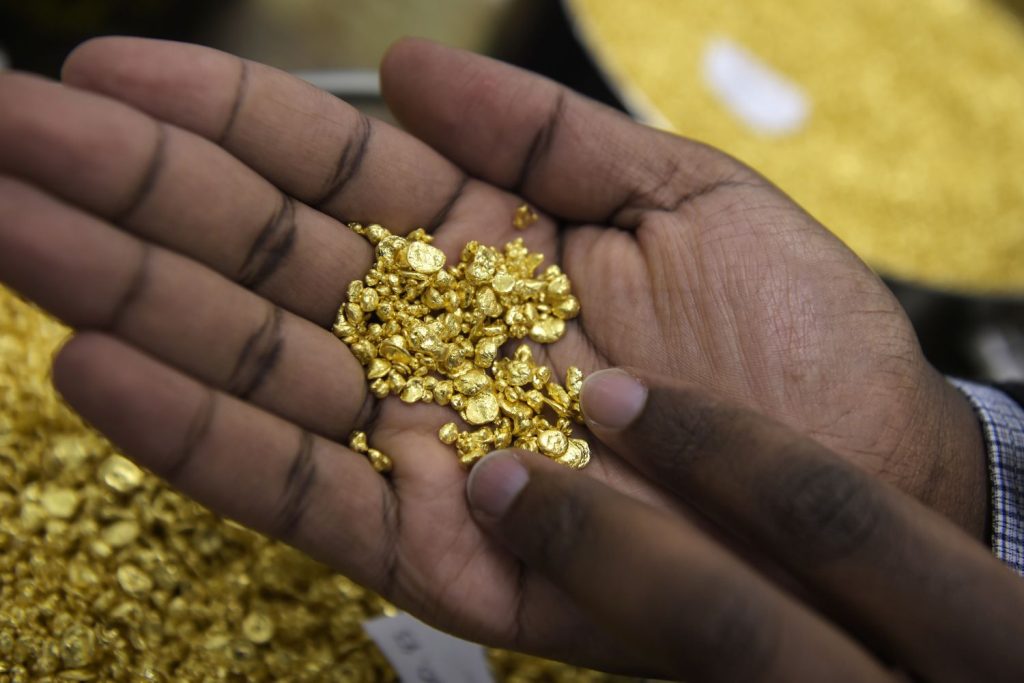
26. Role of PMMC in Ghana gold buying and exporting?
PMMC handles buying, assaying, and licensing for legal trade, ensuring transparency in one of Africa’s top markets.
27. Minimum order quantities for buying gold from Africa?
Typically 25kg+ for viable bulk discounts and logistics; smaller trial orders possible with trusted partners.
28. Environmental standards for responsible gold mining in Africa?
Look for mercury-free practices, reclamation plans, and certifications supporting sustainable development.
29. How to finance large gold purchases from African mines?
Letters of credit, trade finance, or escrow with performance bonds are common secure options.
30. Impact of currency fluctuations on African gold prices?
Local currency weakness can make gold cheaper in USD terms for foreign buyers but affects exporter calculations.
31. Best logistics companies for shipping gold from Africa?
Specialized firms like Brinks offer insured, compliant international transport.
32. Differences in gold quality across African countries?
Varies by mining method—industrial sources generally higher consistency; artisanal needs more verification.
33. Tax implications for investors buying African gold?
Consult professionals for capital gains, import VAT, and royalty reclaim possibilities.
34. How to establish a gold trading business in Africa as a foreigner?
Register a company, obtain necessary licenses, and partner locally for compliance.
35. Current trends in African gold refining and value addition?
Increasing local refineries reduce export of raw material, improving margins and traceability.
36. Insurance options for gold purchases and transport in Africa?
Comprehensive cargo insurance covering theft, loss, and damage is essential.
37. What is ethical sourcing of gold in Africa?
Traceable supply chains free of conflict, child labor, or environmental harm, per international standards.
38. How to test gold karats and purity on-site in Africa?
Acid kits, specific gravity, and portable XRF devices provide reliable preliminary checks.
39. Future outlook for buying gold in Africa 2026-2030?
Strong production growth, regulatory improvements, and sustained global demand support positive investment potential.
40. Where to find trusted gold buyers and suppliers in Africa?
Work with established, licensed companies offering full transparency, references, and compliance support for safe transactions..
Always consult legal and financial professionals for personalized advice, as regulations and prices evolve. Prioritize licensed partners for secure, ethical gold investment in Africa.