
Gold Nugget Facts, Photos, Best Price and Where to Buy Them
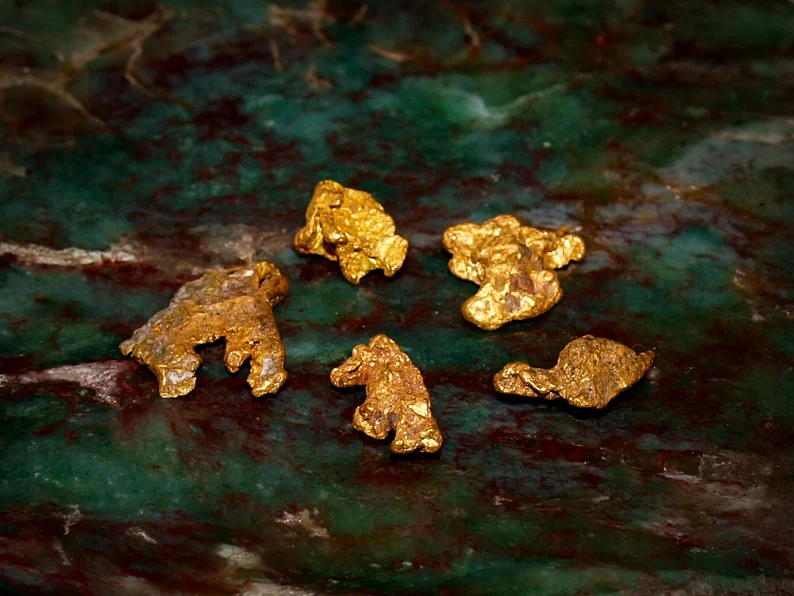
A gold nugget is a naturally occurring piece of native gold, typically formed through erosion processes in watercourses or weathered rock formations. These fascinating treasures are often concentrated in placers—deposits where gold has been separated from surrounding materials by natural forces like rivers and streams.
Gold nuggets generally have a composition ranging from 75% to 97% gold, with the remainder consisting of silver, copper, or traces of quartz. When silver content is higher, the nugget appears whiter, a phenomenon due to the formation of an alloy called electrum. This natural variation makes each nugget unique, appealing to collectors, investors, and jewelers alike.
Nuggets are recovered primarily through placer mining, a method that involves sifting through sediments in rivers or dry washes. They can also be found in residual deposits where gold-bearing veins or lodes have weathered over time, exposing the precious metal.
Additionally, nuggets sometimes appear in tailings piles—the waste from previous mining operations, particularly those using large dredges. These remnants from historical gold rushes offer modern prospectors a chance to rediscover overlooked treasures.
Placer mining remains popular among hobbyists because it requires minimal equipment, such as pans, sluices, or metal detectors, making it accessible for beginners.
How Gold Nuggets Are Formed
Gold nuggets form as fragments weathered from an original lode or vein deep underground. Over millennia, erosion and stream action polish these pieces, often embedding particles of quartz or other matrix materials from the host rock.
Studies suggest most nuggets originate at high temperatures in hypogene environments, far below the Earth’s surface. However, research on nuggets from Arizona, using lead isotope analysis, indicates that some mass accumulates in placer settings through supergene processes like precipitation or bacterial activity.
In contrast, a 2007 study on Australian nuggets concluded they are primarily of deep-origin formation, debunking earlier theories of surface-level growth. Regardless of the exact mechanism, nuggets exhibit signs of natural abrasion—smooth, rounded edges from tumbling in rivers.
This formation process explains their irregular shapes and varying sizes, from microscopic flakes to massive specimens weighing kilograms. Understanding formation helps prospectors target areas with ancient riverbeds or eroded quartz veins, where gold is likely to concentrate due to its high density.
Composition of Gold Nuggets
The purity of gold nuggets typically falls between 20K and 22K, equating to 83-92% gold by mass. Fineness is a common measure; for example, an “865 fine” nugget contains 865 parts gold per thousand. Impurities like silver and copper influence color and value—the deeper the orange-yellow hue, the higher the gold content.
High-silver nuggets form electrum, which can display distinct chemical signatures tracing back to the primary ore deposit.
While most nuggets aren’t 100% pure due to natural alloying during formation, some Australian varieties exceed 23K. In regions like Uganda, unexploited deposits yield nuggets with similar compositions, often mixed with trace elements from local geology. This variability affects market value, as purer nuggets command premiums.
Composition analysis via X-ray fluorescence or acid testing is crucial for authentication, ensuring buyers get genuine, unaltered gold.
Gold Nugget Sizes
Gold nuggets vary dramatically in size, from tiny flakes under a gram to rare behemoths. Small nuggets (less than 1 gram) are most common, easily found through panning or sluicing in active streams.
Medium-sized ones (1-10 grams) are more valuable, often unearthed in established mining areas. Large nuggets over 10 grams are scarce, prized by collectors for their rarity and aesthetic appeal.
Iconic examples include the “Welcome Stranger” from Australia, weighing a staggering 72 kg (about 2,520 troy ounces gross). Most discoveries, however, are modest, making prospecting a game of patience.
Size influences recovery methods—small flakes suit fine-mesh screens, while larger ones may require dredging or metal detecting. In Uganda’s Karamoja region, nuggets range from flakes to several grams, reflecting untapped potential in its gold-rich soils.
History of Gold Nuggets
Gold nuggets have captivated humanity for centuries, sparking rushes that shaped nations. The California Gold Rush of 1849 began with James Marshall’s discovery of nuggets in the American River, drawing over 300,000 prospectors and transforming the U.S. West. Similarly, Australia’s Victorian Gold Rush in the 1850s yielded massive finds, fueling economic booms and immigration waves.
Ancient civilizations, like the Egyptians and Romans, valued nuggets for jewelry and currency, often sourcing them from placer deposits in rivers.
In the Klondike Gold Rush (1896-1899), Yukon nuggets lured thousands to harsh frontiers, immortalized in literature like Jack London’s works. Modern history includes the 1980s Serra Pelada rush in Brazil, where manual mining uncovered enormous nuggets amid chaotic conditions.
These events highlight nuggets’ role in exploration, wealth creation, and sometimes exploitation, leaving legacies in mining laws and environmental regulations.
Famous Gold Nuggets Around the World
Some nuggets have achieved legendary status due to their size and stories. The “Welcome Stranger,” discovered in 1869 in Victoria, Australia, remains the largest ever found at over 72 kg, though it was melted down.
Brazil’s “Pepita Canaã” (1983) weighs 60.82 kg gross and is the biggest surviving nugget, displayed in Brasília’s Banco Central Museum.
Australia’s “Hand of Faith” (1980), at 27.66 kg, was found with a metal detector and sold for over $1 million. The “Normandy Nugget” from Western Australia (1995) tips the scales at 25.5 kg. In the U.S., the “Boot of Cortez” (1989, Mexico, but often associated with North American finds) weighs 12 kg. These treasures not only represent immense value but also geological wonders, often preserved in museums to educate on mining history.
Global Locations of Gold Nugget Deposits
Gold nuggets occur worldwide in regions with ancient geological activity. Australia leads with vast deposits in Victoria, Western Australia, and New South Wales, home to many record-breakers. The U.S. boasts placer sites in California, Alaska (e.g., Klondike), and Nevada’s Carlin Trend. Brazil’s Amazon basin, particularly Pará state, yields massive nuggets from open-pit mines.
Africa’s hotspots include South Africa’s Witwatersrand (though more lode than placer), Ghana’s Ashanti region, and Uganda’s Karamoja. Russia’s Siberian rivers and Canada’s Yukon continue to produce. Emerging areas like Papua New Guinea and Indonesia offer untapped potential.
Prospectors target areas with quartz veins, ancient river terraces, and volcanic activity, where erosion exposes gold. Climate and regulations vary, but these locations promise adventure for ethical miners.
Gold Deposits in Uganda
Uganda harbors significant unexploited gold deposits, particularly in the Karamoja region of northeastern Uganda, where artisanal mining thrives. Other areas include eastern (Busia), western (Kasese), and central regions with placer and lode deposits. Estimates suggest billions in untapped reserves, attracting international interest.
Challenges include informal mining, environmental concerns, and regulatory hurdles, but government initiatives aim to formalize operations.
Nuggets here often feature high purity, blended with silver from local ores. With proper investment, Uganda could become a major exporter, boosting its economy while preserving its natural heritage.
How to Recover Gold Nuggets: Mining Techniques
Placer mining dominates nugget recovery, using gravity to separate gold from sediments. Panning involves swirling water and gravel in a pan to isolate heavy gold. Sluicing directs water through riffled boxes to trap nuggets. Dredging employs suction to vacuum riverbeds, effective for submerged deposits.
For lode mining, hard-rock techniques like drilling and blasting access veins, though less common for nuggets. Metal detecting scans dry areas for surface finds.
Modern tools include highbankers and trommels for larger-scale operations. Safety gear, like boots and gloves, is essential in wet, rugged environments.
Prospecting Tips for Finding Gold Nuggets
Start with research: Study geological maps for gold-bearing areas with quartz outcrops or old mines. Use a metal detector with iron discrimination to ignore junk. Sniping—diving in streams with snorkel and mask—spots nuggets visually. Focus on crevices, bends in rivers, and behind boulders where gold settles.
Pan wisely: Sample upstream and work down. Join clubs for access to claims. Practice in known spots to hone skills. Remember, persistence pays—most finds are small, but cumulative. Always check local laws and obtain permits to avoid fines.
Environmental Impact of Gold Mining
Gold mining, especially artisanal placer operations, poses significant environmental risks. Deforestation along rivers destroys habitats, while sediment runoff pollutes waterways, harming aquatic life. Mercury and cyanide used in extraction contaminate soil and water, leading to health issues like Minamata disease.
Large-scale mining erodes landscapes, creating waste piles that leach toxins. In tropical areas like the Amazon or Africa, biodiversity loss is acute. Sustainable practices, such as mercury-free methods and reclamation, mitigate impacts.
Regulations in places like Australia enforce rehabilitation, but enforcement lags in developing regions. Ethical sourcing prioritizes low-impact mining to preserve ecosystems.
Uses of Gold Nuggets
Beyond investment, nuggets serve practical and creative purposes. In jewelry, their natural shapes inspire unique designs. Collectors value them for rarity. Industrially, melted nuggets provide pure gold for electronics and dentistry.
Interestingly, in gaming like Minecraft, nuggets craft items like golden carrots or fireworks—blending virtual utility with real-world allure. Historically, nuggets were currency in gold rushes. Today, they symbolize wealth and adventure, used in art or as educational tools in museums.
Are Gold Nuggets Pure Gold?
No, nuggets aren’t 100% pure; purity ranges from 70-95%, averaging 90% (22K). Formation mixes gold with silver, copper, or nickel, preventing absolute purity. Test via color, density, or professional assay. While not as refined as bullion, their natural state adds collectible value.
How Much is a Gold Nugget Worth Today?
As of January 2026, gold spot prices hover around $4,450 per ounce , but nuggets fetch premiums of 10-50% over spot due to rarity and aesthetics. A 1-ounce nugget might cost $4,900-$6,700, depending on size, purity, and origin. Older, historical nuggets command even higher prices at auctions. Values fluctuate with market trends—check daily for accuracy.
Factors like provenance (e.g., Alaskan vs. Australian) influence worth. Small flakes sell for $50-$100 per gram, while large specimens exceed $10,000. Always factor in authenticity certificates.
Gold Nuggets as an Investment: Pros and Cons
Pros: Nuggets hedge against inflation, retaining value during economic downturns. Their rarity offers potential appreciation beyond spot gold. Portable and tangible, they’re a diversification tool.
Cons: Premiums over spot reduce liquidity—selling may yield less than bullion. Storage and insurance costs add up. Market volatility affects prices, and counterfeits pose risks. Unlike stocks, no dividends. Best for long-term holders, not short-term traders.
Differences Between Gold Nuggets, Gold Bullion, and Raw Gold
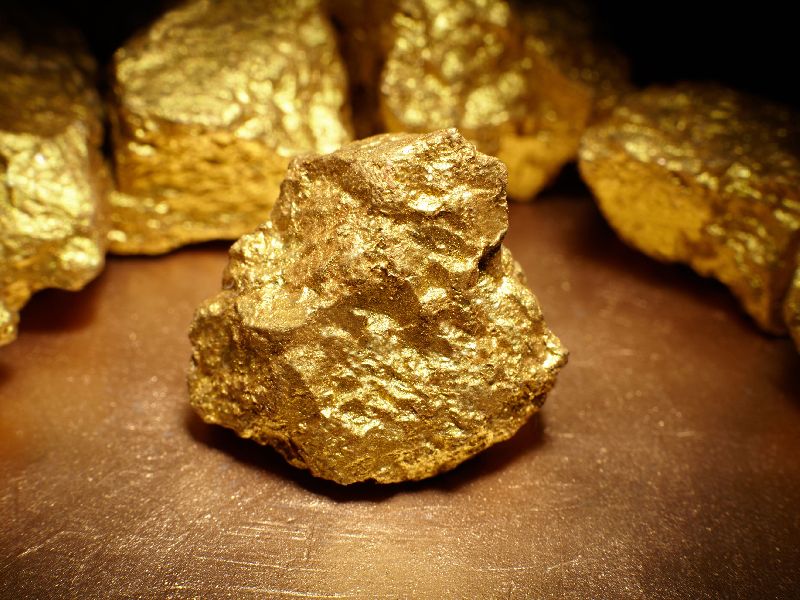
Nuggets are natural, irregular pieces with impurities, valued for uniqueness. Bullion (bars/coins) is refined to 99.9% purity, standardized for easy trading at spot price. Raw gold includes unprocessed ore or dust, requiring refining.
Nuggets have collector premiums; bullion suits pure investment; raw gold is cheapest but labor-intensive. Choose based on goals—nuggets for aesthetics, bullion for liquidity.
Verifying Gold Nugget Authenticity
Authenticity ensures value. Check irregular shapes and natural texture—fakes are uniform. Use acid tests for purity or density measurements (gold is 19.3 g/cm³). X-ray fluorescence analyzes composition non-destructively. Buy from reputable dealers with certificates. Avoid plated counterfeits by testing magnetism (gold isn’t magnetic).
How to Care for and Store Gold Nuggets
Store in cool, dry places away from sunlight to prevent tarnish. Use acid-free capsules or velvet pouches for display. Clean gently with mild soap and water—avoid harsh chemicals. For security, install home safes or use bank vaults. Insurance covers theft or loss.
Legal Aspects of Buying and Selling Gold Nuggets
In the U.S., no limits on ownership, but sales over $10,000 require IRS reporting. Capital gains tax applies (up to 28% for collectibles). Internationally, check import/export laws—some countries restrict raw gold. Anti-money laundering rules mandate dealer licenses. Always document transactions for taxes.
Where to Buy Authentic Gold Nuggets
Reputable online dealers include us at Africa Gold Supliers, Nuggets By Grant, GoldNuggetsForSale.com, and NaturalGoldTrader.com . They offer certified nuggets from Alaska, Australia, and Africa. Physical shops in mining towns or auctions like eBay (with caution) provide options. Look for guarantees and reviews.
In Uganda, local markets in Kampala or Karamoja offer direct sourcing, but verify with assays. International buyers should use escrow for safety.
Best Prices for Gold Nuggets
Shop around for deals—wholesale lots from GoldNuggetSales.com start at spot plus 5-10%. As of 2026, expect $4,500-$5,000 per ounce for quality nuggets . Bulk buys reduce premiums. Monitor spot prices via sites like Kitco for timing.
Other Types of Gold for Sale
- Gold Bullion: Refined bars or coins, ideal for investment.
- Raw Gold: Unprocessed flakes or dust, affordable for refining.
- Minerals: Gold-bearing quartz specimens for collectors.
Other Types of Gold for Sale: