
Tanzania Gold Market 2026: Complete Guide for Buyers & Investors
Tanzania Gold Market: A complete guide to the Tanzania gold market — pricing, major mines, licensing, taxes, and how to source gold bars, dust, and nuggets safely.
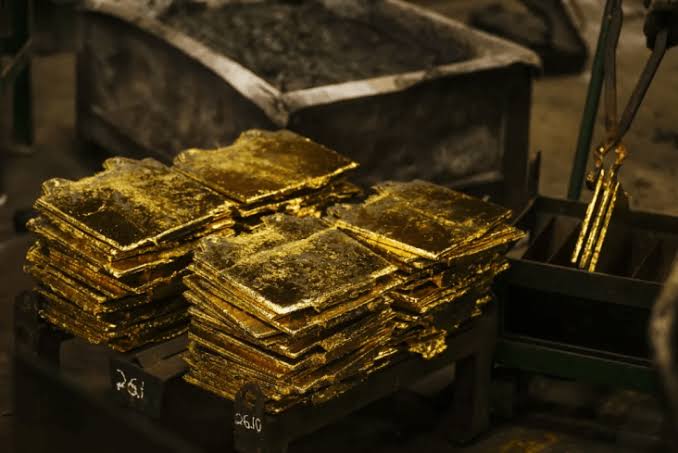
The Tanzania gold market is one of Africa’s most dynamic and promising sectors, combining large-scale industrial mining with a vibrant artisanal and small-scale mining (ASM) segment that together produce gold dust, gold nuggets, and refined bars.
Whether you’re comparing the 1 gram gold price for a smaller purchase or sourcing bulk gold bars for investment, this guide covers how gold is mined and priced in Tanzania, the legal framework governing it, and how to source it safely.
Overview of Tanzania’s Gold Market
Tanzania’s gold mining industry has grown substantially over the past two decades, with the sector contributing roughly 3–4% of national GDP and standing as one of the country’s most important sources of foreign exchange earnings.
The government has worked to attract foreign investment while pushing for greater local benefit-sharing, improving regulatory frameworks and transparency along the way — though artisanal mining, environmental management, and regulatory consistency remain ongoing challenges.

The Role of Gold in Tanzania’s Economy
Gold mining supports thousands of jobs directly and sustains ancillary industries including transport, construction, and services. Gold exports remain a significant source of foreign currency, helping stabilise the broader Tanzanian economy, and government partnerships with international mining companies have brought meaningful technology transfer and skills development to the local sector.
Geological Context and Mining Segments
Tanzania sits on part of the prolific East African Gold Belt, with major deposits concentrated around Geita, North Mara, and Bulyanhulu, among other regions — mines run by major international operators that consistently produce high-purity gold.
The market splits into two distinct segments. Large-scale industrial mines — Barrick Gold’s Bulyanhulu and North Mara operations, and AngloGold Ashanti’s Geita mine among them — produce branded, refined gold bars under tightly controlled grade specifications.
Artisanal and small-scale miners (ASM), by contrast, yield raw gold in the form of gold dust and gold nuggets, typically sold through local trading centres or to aggregators before reaching the formal export chain.
Gold trading hubs cluster around Geita, Mwanza, Shinyanga, and Dar es Salaam, several of which feature government-sanctioned collection centres and assaying facilities where gold is inspected and weighed before changing hands.
Current Gold Prices in the Tanzania Market
Tanzania’s Bank of Tanzania publishes indicative gold rates, typically set at a modest discount to LBMA spot to reflect local market conditions and logistics costs.
With global spot gold trading at approximately $4,050 per troy ounce (~$130/gram) in 2026 — substantially higher than the sub-$3,500 levels quoted in older Tanzania gold market guides — here’s the current picture across the forms most commonly traded:
| Form | Purity | Approx. Price (TZS/gram) | Notes |
|---|---|---|---|
| Minted gold bar | 999.9 | ~338,000 | Fully refined, serial-numbered, certified |
| Cast gold bar | 995–999 | ~325,000 | Slight discount to minted bars |
| Gold dust (bulk) | 950–999 | ~300,000–320,000 | Needs refining and certification |
| Gold nuggets | Variable | ~310,000–330,000 | Depends on purity, size, and desirability |
These figures are illustrative and move with the international spot price throughout each trading day — for a current live reference, see our gold price in Tanzania and 1 oz 24K gold price pages.
Industrial gold bars from established refineries typically carry a small premium over spot since they’re refined, serial-numbered, and hallmarked — genuine traceability that buyers pay for. Gold dust and nuggets trade at more variable margins depending on purity, weight, and ease of resale, and bulk purchases through licensed miners or custody-controlled supply chains generally command tighter spreads than smaller, one-off transactions.
Legal and Regulatory Framework
Tanzania’s Ministry of Minerals regulates the gold trade under the Mining Act, 2010. Artisanal miners need mining permits; dealers require a Mineral Dealer’s Licence; and exporters must secure Export Permits and satisfy assay requirements before any shipment leaves the country.
On taxes and royalties, Tanzania’s structure — updated under recent Finance Act changes — sets the standard royalty at 6% of gold value, reduced to 4% for gold sold to the Bank of Tanzania under its domestic purchase programme, and reduced further to 2% for gold sold to a licensed local refinery.
A roughly 2% withholding tax, a 1% inspection fee (waived for Bank of Tanzania sales), and a smaller 0.1% HIV Response Levy round out the structure, bringing the total effective burden for standard commercial exports to somewhere in the 9–9.4% range. Our dedicated gold export tax in Tanzania guide breaks this down fee by fee.
Gold must be tested at a TBS-accredited laboratory or approved assay centre, with certificates confirming purity and weight required alongside export permits to validate legal compliance.
The Ministry issues export permits only after verifying documentation and tax clearance, and customs clearance through the Tanzania Revenue Authority (TRA) is required before any shipment leaves the country.
For buyers importing into destinations like the EU or UK, Tanzania’s export compliance is only half the picture — you’ll also need to satisfy your destination country’s own import and tax rules, including VAT treatment and any investment-gold exemptions that may apply there.
Sourcing Pathways: Where Tanzanian Gold Actually Comes From
Direct from miners. ASM miners often sell unrefined gold to aggregators, and buying this way can offer a genuine price advantage — but carries real risk around inconsistent purity, unclear volume, and a lack of documentation that larger, audited operations don’t have.
Licensed dealers and aggregators. These intermediaries consolidate output from multiple ASM sources, perform initial testing, and manage the assay and export compliance process — trading some of the direct-sourcing price advantage for meaningfully more reliability and documentation.
Refineries and processing centres. Buyers who engage Tanzanian refineries directly typically receive standard 999.9 or 999.5 grade bars, fully stamped and serial-numbered — the route offering the highest traceability and the easiest eventual resale.
Forms of Gold Available in the Tanzania Market
- Gold dust — fine particles, easy to transport but requiring refining before it reaches investment grade.
- Gold nuggets — natural, often attractive, but irregular in weight and purity, making independent assay especially important.
- Cast gold bars — commonly 250g, 500g, or 1kg, well suited to serious investors.
- Minted gold bars — refined, hallmarked, and serial-numbered, offering the clearest chain of custody of any form on this list.
Whichever form you’re buying, always demand an assay certificate reporting purity and weight, use XRF testing or an independent lab for spot checks on anything significant, and match serial numbers between bars and their certificates wherever applicable — our buying genuine gold guide covers this verification process in full.
Notable Gold Mines in Tanzania
Tanzania’s position as a major gold producer rests on several well-established operations. Bulyanhulu Gold Mine, in the Shinyanga region, is operated by Barrick Gold using advanced underground mining techniques and holds significant ongoing reserves.
North Mara Gold Mine, also under Barrick, combines open-pit and underground methods in the Mara region and remains a key production contributor despite periodic regulatory and community challenges.
Geita Gold Mine, owned by AngloGold Ashanti, is one of the country’s largest operations, run as an open-pit mine with a strong stated focus on sustainability and community development.
Buzwagi Gold Mine, historically operated under the Barrick umbrella in the Shinyanga region, processed both oxide and sulphide ores through open-pit methods, though buyers should confirm current operational status given the natural production lifecycle of any single mine.
The Buckreef Gold Project, near Mwanza and associated with Tanzanian Royalty Exploration Corporation, has shown promising exploration results and represents one of several mid-stage projects working toward full production.
Sekenke Gold Mine, in the Singida region, is one of Tanzania’s oldest gold sites — not in full-scale operation today, but historically significant and a candidate for future exploration.
Challenges and Opportunities in the Tanzania Gold Market
Tanzania’s gold sector presents real opportunity alongside genuine challenges. Artisanal mining provides livelihoods for a large share of the workforce but often operates outside formal regulatory frameworks, creating safety and environmental risk.
The regulatory framework, while improved in recent years, still carries bureaucratic inconsistencies that can complicate investment. Environmental management — land degradation, water pollution, and related concerns tied to both industrial and artisanal mining — remains an ongoing balancing act against economic development.
And community engagement has become an increasingly central focus for major operators, with corporate social responsibility programmes now a standard part of how large mines operate in the country.
Risks to Manage When Sourcing Tanzanian Gold
The most common risks in this market are purity mismatches (gold that’s less pure than represented), documentation gaps (undeclared or fabricated certificates), regulatory non-compliance (an unlicensed dealer, invalidating the export), and logistical loss or theft during poorly insured or untracked shipping. Mitigate all four the same way: transact only with licensed dealers, insist on assay certificates and full chain-of-custody documentation, arrange independent third-party testing on arrival for anything significant, secure comprehensive insurance with a trackable delivery service, and for high-value purchases, use escrow arrangements that release payment only once verification is complete.
Why Source Gold from Tanzania
Direct sourcing genuinely can mean better value — fewer middlemen mean lower embedded costs — provided it’s paired with real traceability: knowing your gold’s origin, purity, and legal status with confidence.
Tanzanian gold also offers useful diversification alongside other bullion holdings, and buying through licensed, compliant channels supports the legitimate mining communities this framework was built to protect.
Source Certified Tanzanian Gold with Africa Gold Suppliers
Navigating the Tanzania gold market alone — verifying dealers, coordinating assay testing, managing export compliance — takes real expertise. Africa Gold Suppliers Limited sources certified 24K, 22K, and 18K gold in bar, nugget, and raw form across East Africa, with independent assay certification, licensing, and export documentation handled for you rather than left for you to assemble.
FAQs – Tanzania Gold Market
What is the current gold price in Tanzania? Approximately TZS 338,000 (~$130) per gram for 24K gold as of 2026. Check our gold price in Tanzania page for a live reference before transacting.
Is it safe to buy gold directly from artisanal miners in Tanzania? It can offer a price advantage, but comes with real risk around purity and documentation. Working through a licensed dealer or aggregator who handles assay and export compliance meaningfully reduces that risk.
What taxes apply to gold exported from Tanzania? A royalty of 6% standard, dropping to 4% for gold sold to the Bank of Tanzania and 2% for gold sold to a licensed local refinery, plus smaller inspection and withholding charges — full detail in our gold export tax in Tanzania guide.
What forms does Tanzanian gold come in? Gold dust, gold nuggets, cast bars (commonly 250g–1kg), and fully refined, hallmarked minted bars — each with different purity, documentation, and resale characteristics.
How do I verify the purity of Tanzanian gold before buying? Insist on an assay certificate from a TBS-accredited or equivalent lab, confirm the result with independent XRF testing for anything of real value, and match serial numbers between the gold and its certificate wherever they exist.
Buy Gold from Tanzania Safely
Tanzania’s gold market offers genuine opportunity — competitive pricing, diverse sourcing options, and a regulatory system that, navigated properly, protects buyers as much as it generates government revenue.
Africa Gold Suppliers Limited sources certified gold bars, nuggets, and raw gold direct from Tanzania and across East Africa, with assay documentation, licensing, and secure logistics handled at every step. Contact our team today to discuss current pricing and the weight and purity you need.
Related Pages
Tanzania-specific guides
- Gold Price in Tanzania
- Gold Export Tax in Tanzania
- Gold Mines in Tanzania
- Tanzania Gold Export Process
Gold products
Pricing
Guides & compliance
Company