
African Ebony Tree: Species, Uses, Wood Value, Distribution & Conservation
The African ebony tree stands as one of nature’s most prized creations, revered for its jet-black ebony wood Africa produces in limited quantities.
Belonging to the genus Diospyros, particularly species like Diospyros crassiflora (Gabon ebony) and Diospyros mespiliformis (African ebony or jackalberry), this ebony hardwood commands premium prices in global markets. From crafting high-end musical instruments to traditional African medicine, the African ebony tree offers unparalleled value.
This comprehensive guide explores African ebony species, their habitats, economic significance, conservation challenges, and how to identify genuine ebony. Whether you’re a woodworker, conservationist, or investor, understanding the African ebony tree is essential in today’s sustainability-focused world.
Scientific Classification of the African Ebony Tree
The ebony tree scientific name varies by species, but all fall under the genus Diospyros in the ebony family Ebenaceae. Here’s a breakdown:
- Gabon Ebony: Diospyros crassiflora – Native to West and Central Africa, this is the quintessential source of pure black ebony.
- African Ebony / Jackalberry: Diospyros mespiliformis – Widespread in East and Southern Africa, known for edible fruits alongside valuable wood.
- Mauritian Ebony: Diospyros tessellaria – Endemic to Mauritius, historically significant but now rare.
- Mozambique Ebony: Often refers to Diospyros spp. variants from southeastern Africa.
The genus Diospyros includes over 700 Diospyros tree species worldwide, but African variants dominate the premium ebony hardwood trade. These trees are evergreen or semi-deciduous, thriving in diverse African ecosystems.
Physical Description: Appearance and Properties of Ebony Wood
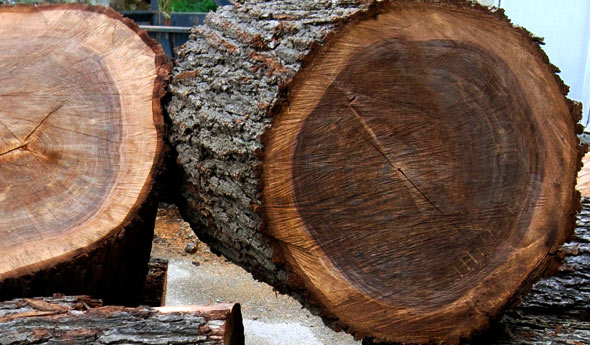
An mature African ebony tree reaches heights of 20–25 meters, with some specimens exceeding 30 meters in optimal conditions. The trunk diameter typically measures 0.5–1 meter, featuring straight, cylindrical growth.
The ebony tree bark is dark gray to black, rough, and fissured, providing protection against fires in savanna habitats. Ebony tree leaves are simple, alternate, glossy, and dark green, measuring 5–15 cm long with a leathery texture that resists drought.
Flowers are small, creamy-white, and bell-shaped, blooming in clusters. The real treasure lies in the properties of ebony wood: heartwood that’s jet-black, exceptionally dense (up to 1,200 kg/m³), and sinks in water. Sapwood contrasts sharply as pale yellow. The fine, even grain polishes to a mirror-like finish, making it ideal for luxury applications.
Fruits of Diospyros mespiliformis (jackalberry) are yellow, plum-like berries, 2–3 cm in diameter, edible and popular among wildlife and humans.
Distribution & Habitat: Where Ebony Grows in Africa
The ebony tree habitat spans diverse African landscapes. Where ebony grows in Africa includes:
- West Africa: Nigeria, Ghana, Mali – often in transitional forests.
- Central Africa: Cameroon, Gabon, Congo – dense tropical rainforests yield the finest Gabon ebony.
- East Africa: Kenya, Tanzania, Uganda – savannas and woodlands host jackalberry trees.
- Southern Africa: Zambia, Zimbabwe, Botswana, Mozambique – riverine forests and miombo woodlands.
These trees prefer well-drained soils near water sources, from sea level to 1,500 meters elevation. Climate requirements include 1,000–2,500 mm annual rainfall, making them indicators of healthy tropical ecosystems.
Types of African Ebony: Understanding the Variants
African ebony types vary significantly in quality and application:
- Gabon Ebony (Diospyros crassiflora): The gold standard of Gabon ebony wood, featuring uniform black heartwood with minimal streaking. Density and workability make it priceless for ebony carve projects.
- Jackalberry Tree (Diospyros mespiliformis): More abundant in East Africa, this African ebony species produces wood with occasional brown streaks. Fruits provide food security in rural communities.
- Mozambique Ebony: Dark brown to black, sourced sustainably in some regions, popular for flooring.
- Other Variants: Macassar ebony from Indonesia competes, but true ebony wood Africa originates from Diospyros natives.
Uses of the African Ebony Tree: From Tradition to Modernity
The uses of ebony wood are legendary:
Wood Applications
- Musical Instruments: Fingerboards on guitars (e.g., Gibson Les Paul), violin parts, piano keys – its density ensures stability.
- Luxury Furniture: Inlays, tabletops, and cabinetry for high-end designs.
- Carvings & Sculptures: Makonde artists in Tanzania create intricate ebony carve masterpieces.
- Knife Handles & Tools: Durability and grip make it perfect for premium cutlery.
- Decorative Veneers: Thin slices enhance luxury interiors.
Traditional & Medicinal Uses
- Ebony wood benefits extend to bark infusions for treating fever and dysentery.
- Jackalberry fruits combat malnutrition.
- Dyes from heartwood create permanent black pigments.
These multifaceted ebony wood benefits sustain both economies and cultures.
Economic Value of Ebony Wood: Why It’s So Expensive
The ebony wood price reflects rarity and demand. Genuine Gabon ebony fetches $10,000–$15,000 per cubic meter, with smaller pieces at $100–$500 per kg. Factors driving African ebony value:
- Slow growth (60–200 years to maturity)
- Limited heartwood yield (10–20% of trunk)
- High ebony wood market demand from China, Europe, and the US
- Illegal trade inflating black market prices
In Africa, legal exports from Cameroon and Gabon generate millions annually, supporting local economies when managed sustainably.
Conservation Status: Protecting the African Ebony Tree
Ebony tree conservation is critical. Diospyros crassiflora is listed as Endangered on the IUCN Red List due to:
- Overharvesting for ebony wood market
- Illegal ebony trade networks
- Habitat loss from agriculture and logging
- Slow regeneration rates
Endangered ebony species face extinction risks without intervention. CITES Appendix II regulates trade, but enforcement varies.
Sustainable ebony wood initiatives include:
- FSC-certified plantations in Gabon
- Community-managed forests in Tanzania
- Reforestation using native seedlings
Cultural Importance: Ebony in African Traditions
The cultural significance ebony holds is profound:
- Makonde Tribe (Tanzania/Mozambique): World-famous ebony African culture carvings depict family trees and spirits.
- West African Royalty: Thrones and scepters symbolized power.
- Traditional Medicine: Bark treats various ailments across ethnic groups.
Ebony represents strength, mystery, and ancestral connections in ebony African culture.
How to Identify Genuine Ebony Wood: A Buyer’s Guide
Spotting real ebony identification prevents fraud:
- Weight: Exceptionally heavy; a small block feels like metal.
- Density Test: Sinks immediately in water.
- Color: Pure black heartwood; sapwood is creamy white.
- Grain: Fine, tight, with occasional lighter streaks in lower grades.
- Finish: Polishes to glass-like smoothness.
- Smell: Mild, pleasant when cut.
Avoid dyed substitutes like stained beech. Always request certification for how to know genuine ebony.
Ebony vs Other Hardwoods: Comparative Analysis
|
Property |
Ebony |
Rosewood |
Mahogany |
Teak |
|
Density |
1,200 kg/m³ |
800–900 kg/m³ |
500–700 kg/m³ |
650 kg/m³ |
|
Color |
Jet black |
Red-brown |
Reddish-brown |
Golden-brown |
|
Durability |
Exceptional |
High |
Moderate |
Very High |
|
Price/m³ |
$10,000+ |
$2,000–$5,000 |
$1,500–$3,000 |
$1,000–$2,500 |
|
Workability |
Difficult |
Good |
Excellent |
Good |
Ebony vs rosewood: Ebony wins in density and prestige. Ebony vs mahogany: Ebony is denser but harder to work.
Ebony Tree Growth & Lifecycle
How ebony trees grow is a study in patience. Seeds germinate in shaded understory, taking 60–200 years for commercial heartwood development. The ebony lifespan exceeds 300 years in protected areas.
Challenges include:
- Poor seed viability
- Competition from faster-growing species
- Fire and herbivore damage
Natural regeneration requires intact forest ecosystems.
Threats & Illegal Trade: The Dark Side of Ebony
Ebony poaching Africa fuels organized crime. Illegal ebony trade routes ship containers mislabeled as other woods. Weak enforcement in remote areas enables:
- Bribes to officials
- Exploitation of indigenous loggers
- Deforestation hotspots in Congo Basin
Annual losses exceed $1 billion in potential sustainable revenue.
How to Support Ebony Conservation
Choose sustainable ebony:
- Buy FSC-certified products
- Support ebony replanting projects in Gabon and Tanzania
- Advocate for stronger anti-poaching laws
- Consider alternatives like engineered black woods
Every purchase decision impacts African forests.
FAQ Section
Why is ebony wood so expensive?
Due to slow growth (centuries for maturity), limited heartwood yield, high demand for musical instruments and luxury goods, and conservation restrictions.
Where is African ebony found?
Primarily in tropical rainforests and savannas of Central Africa (Gabon, Cameroon, Congo), East Africa (Tanzania, Kenya), and West Africa (Nigeria, Ghana).
Is ebony endangered?
Yes, species like Diospyros crassiflora are IUCN Endangered due to overharvesting and habitat loss. Sustainable sourcing is crucial.
How long does ebony take to grow?
60–200 years for commercial-grade heartwood development, with full maturity taking centuries.
What are the main uses of ebony wood?
Premium musical instruments, luxury furniture, carvings, knife handles, and traditional medicine.
How can I tell if ebony is real?
It sinks in water, weighs significantly more than similar-sized woods, has jet-black heartwood with fine grain, and polishes to a mirror finish.
What’s the difference between Gabon ebony and jackalberry?
Gabon (D. crassiflora) produces pure black wood; jackalberry (D. mespiliformis) has streaked wood plus edible fruits.
Are there sustainable ebony alternatives?
FSC-certified ebony, plantation-grown variants, or engineered composites mimic appearance without environmental impact.
The African ebony tree represents nature’s masterpiece – rare, beautiful, and culturally significant. But its future depends on responsible choices today. For premium, legally sourced, FSC-certified African ebony direct from East Africa, partner with Africa Gold Suppliers Ltd.
We connect international buyers with verified Tanzanian and Kenyan suppliers, ensuring traceability from forest to finish. Our ebony meets the highest standards for musical instrument makers, luxury designers, and conscious consumers.
Buy African ebony with confidence through Africa Gold Suppliers Ltd – sustainable luxury that supports local communities and protects ancient forests. Contact us today at africa-gold-suppliers.com to secure your supply of this legendary hardwood. Invest in ebony that lasts generations – both in your projects and in Africa’s ecosystems.