
14K Gold: Price, Purity, Uses & Complete Buying Guide 2026
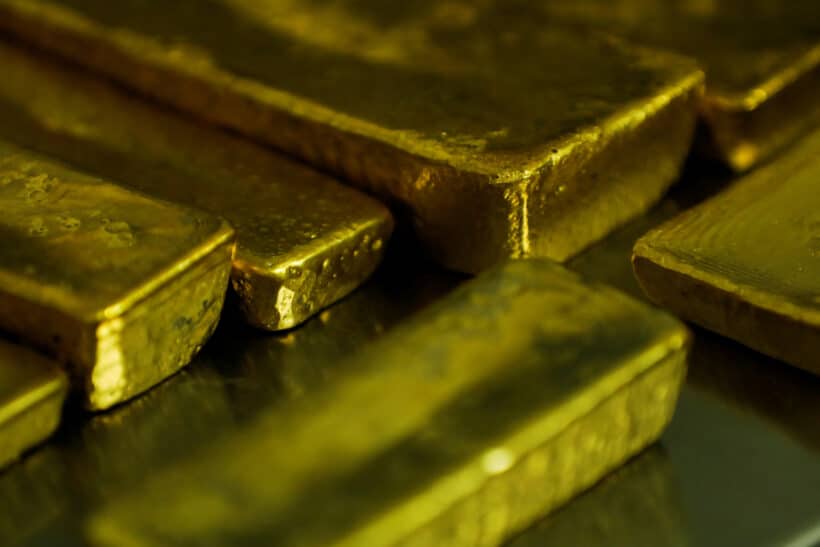
14K gold is a gold alloy containing 58.3% pure gold (also expressed as 585 fineness), alloyed with copper, silver, zinc, or palladium to deliver exceptional hardness, scratch resistance, and durability.
As of June 16, 2026, the 14K gold price per gram is $81.35 USD, $2,533.43 per troy ounce, and $81,350 per kilogram — calculated at 58.3% of the live 24K spot price of $139.39/gram ($4,339/oz).
14K gold is the most popular gold choice for everyday jewellery in the United States and Western markets because it balances genuine gold content with the structural strength that 24K (99.9% pure) gold cannot provide.
It is available as yellow gold, white gold, and rose gold, and as investment bars, jewellery, coins, and scrap recycling material from certified African suppliers like Africa Gold Suppliers Ltd.
Whether you are searching for the current 14K gold price per gram, wondering what 14K gold means, comparing 14K gold vs 18K for an engagement ring, or looking to buy 14K gold bars from Africa — this complete 2026 guide covers everything: purity, composition, current prices across major markets, types available, care, authenticity testing, and investment value.
What Is 14K Gold? Definition, Composition & Meaning
The “K” in 14K gold stands for karat — the unit measuring gold purity in 24 parts. 14K gold means 14 out of 24 parts are pure gold: exactly 58.3% gold content, with the remaining 41.7% composed of strengthening alloy metals.
In international hallmarking, 14K gold is also stamped as 585 (representing 585 parts per thousand pure gold). When you see “585” on a ring, bracelet, or bar, it is the European equivalent of the US “14K” mark — both confirm the same purity level.
Typical 14K gold alloy compositions by colour:
| Colour | Gold Content | Alloying Metals | Primary Use |
|---|---|---|---|
| Yellow 14K | 58.3% | Copper + Silver | Classic jewellery, bars |
| White 14K | 58.3% | Nickel or Palladium + Zinc | Modern settings, diamond rings |
| Rose 14K | 58.3% | Higher copper ratio | Romantic and vintage jewellery |
The 41.7% alloy content in 14K gold is not a weakness — it is an engineering decision. Pure 24K gold is extremely soft (rating approximately 2.5–3 on the Mohs hardness scale) and bends, scratches, and deforms under ordinary daily use.
The alloy metals in 14K gold raise the hardness to approximately 3.5–4 on the Mohs scale, making it approximately 40% harder than 18K gold and dramatically more resistant to the everyday stresses of wearing rings, chains, and bracelets.
For the full karat comparison across all purities, see the 24K gold guide and the 22K gold price article on Africa Gold Suppliers Ltd.
14K Gold Price Today
As of June 16, 2026 at 3:52 PM UTC-4:00 (New York Time), the confirmed live 14K gold price is:
| Unit | 14K Gold Price (USD) |
|---|---|
| Per gram | $81.35 |
| Per 5 grams | $406.75 |
| Per 10 grams | $813.50 |
| Per troy ounce (31.1g) | $2,533.43 |
| Per 100 grams | $8,135.00 |
| Per kilogram | $81,350.00 |
Sources: GoldCalcTool.com (Jun 16, 2026, 3:30 PM ET: $81.35/gram); GoldPriceWorld.com (Jun 16, 2026, 3:52 PM UTC-4: $81.33/gram); JM Bullion live feed (Jun 17, 2026: 24K spot $4,345.57/oz → 14K = $4,345.57 × 58.3% = $2,533.46/oz, $81.45/gram). Prices fluctuate continuously — verify with a live gold calculator before transacting.
Price correction from the original article: The November 2025 prices of “$78.23/gram” and “$2,452.50/oz” are no longer current. The June 2026 14K gold price of $81.35/gram represents an increase of approximately 4% from those figures, tracking the ongoing gold bull market. The 24K spot has risen from the original article’s ~$133/gram equivalent to $139.39/gram as of June 16, 2026.
14K Gold Price by Karat — All Purities (June 16, 2026)
| Karat | Purity | Price per Gram (USD) | Price per oz (USD) | Price per kg (USD) |
|---|---|---|---|---|
| 24K | 99.9% | $139.39 | $4,339.00 | $139,390 |
| 22K | 91.7% | $127.81 | $3,977.00 | $127,810 |
| 18K | 75.0% | $104.65 | $3,258.00 | $104,650 |
| 14K | 58.3% | $81.35 | $2,533.00 | $81,350 |
| 10K | 41.7% | $58.18 | $1,810.00 | $58,180 |
| 9K | 37.5% | $52.32 | $1,628.00 | $52,320 |
Calculated as 24K spot × karat purity ratio. Retail prices include dealer premiums of 2–8% above melt value depending on product format.
How to Calculate 14K Gold Value at Home
The 14K gold value formula is straightforward:
Weight (grams) × 0.583 × current 24K spot price per gram = melt value
Example using June 2026 prices: A 14K gold ring weighing 10 grams
- Gold weight: 10 × 0.583 = 5.83 grams of pure gold
- Melt value: 5.83 × $139.39 = $812.55 USD
This is the raw melt value. Retail jewellery commands 2–5× the melt value due to craftsmanship and design. Scrap gold buyers typically pay 75–90% of melt value depending on dealer. Use Africa Gold Suppliers Ltd’s pricing guidance on the gold price in Africa page for current African market rates.
What Is 14K Gold? Physical and Chemical Properties
Physical Properties
Hardness: 3.5–4.0 on the Mohs scale, versus 2.5–3.0 for pure 24K gold. This 14K gold hardness is approximately 40% greater than 18K, making it significantly more resistant to scratching, denting, and deformation under daily use.
Density: Approximately 12.9–14.6 g/cm³ depending on alloy composition (pure gold is 19.32 g/cm³). The lower density compared to 24K is used in the Archimedes density test for authentication — a piece claimed to be solid 14K that weighs like 24K is either mislabelled or hollow.
Melting point: Approximately 850–950°C (lower than pure gold’s 1,064°C), making 14K gold easier to cast and fabricate into complex jewellery forms.
Malleability: Less malleable than pure gold but sufficient for intricate designs, filigree work, pavé settings, and chain manufacture. Italian 14K filigree and Miami Cuban link chains both rely on this workability.
Chemical Properties
Corrosion resistance: Gold itself does not rust, tarnish, or corrode. However, the copper content in yellow and rose 14K gold can develop a slight surface tarnish over years of exposure — easily removed with mild cleaning. The gold matrix remains chemically stable.
Hypoallergenic considerations: Yellow and rose 14K gold are generally hypoallergenic. White 14K gold with nickel can cause skin reactions in nickel-sensitive individuals (affecting approximately 10–15% of the population). Palladium-based white 14K gold is the hypoallergenic alternative — confirm with your supplier which alloy is used.
Rhodium plating on white 14K: White 14K gold is almost always rhodium-plated at manufacture to achieve its characteristic bright silver-white appearance. Rhodium is harder and whiter than the underlying alloy.
With heavy daily wear, rhodium plating can wear through in 1–2 years, revealing the slightly yellowish underlying alloy — replating restores the finish and costs $50–$150 at most jewellers.
14K Gold vs 18K vs 22K vs 24K — The Complete Comparison
This is the question that drives most searches in the gold jewellery market: which karat is best? The answer depends entirely on intended use:
| Aspect | 14K Gold | 18K Gold | 22K Gold | 24K Gold |
|---|---|---|---|---|
| Purity | 58.3% | 75.0% | 91.7% | 99.9% |
| Price/gram (Jun 2026) | $81.35 | $104.65 | $127.81 | $139.39 |
| Hardness | Highest | High | Medium | Lowest |
| Scratch resistance | Excellent | Good | Fair | Poor |
| Wearability | Daily wear ✓✓ | Daily wear ✓ | Careful use | Not for wear |
| Investment liquidity | Good | High | Very high | Highest |
| Colour depth | Moderate yellow | Rich yellow | Deep yellow | Deepest yellow |
| Best for | Engagement rings, everyday jewellery | Fine jewellery | Cultural/bridal gold | Bars, coins, investment |
14K gold vs 18K: 14K is approximately 22% cheaper per gram than 18K and significantly more durable, making it the superior choice for active lifestyles, children’s jewellery, and everyday rings. 18K wins for pieces where maximum gold colour depth and investment resale value matter more than hardness.
14K gold vs 22K: 22K is the dominant karat for traditional Indian and Middle Eastern bridal jewellery because of its deep colour and near-pure gold content. It is significantly less durable than 14K and typically 57% more expensive per gram at current prices.
14K gold vs 24K: 24K gold cannot be worn daily — it is too soft for rings, chains, or bracelets. 24K is the investment and industrial grade; 14K is the wearable grade.
For a comprehensive breakdown, see buying genuine gold and the gold vs silver comparison guide on Africa Gold Suppliers Ltd.
Types of 14K Gold Available — Colours, Forms & Products
14K Gold Colours
14K Yellow Gold is the classic. Its warm, familiar golden hue comes from the copper and silver alloy blend. Yellow 14K gold is the most traditional and widely available choice globally — from African gold markets to Tiffany & Co. showrooms — and requires the least maintenance of the three colours (no replating ever needed).
14K White Gold achieves its silver-white appearance through nickel or palladium alloying, then rhodium plating for finish. It is the dominant karat for diamond engagement rings and contemporary fine jewellery because its neutral colour maximises the perceived brightness of diamond settings. Replating every 1–2 years is the only ongoing maintenance required.
14K Rose Gold gets its distinctive blush-to-copper hue from a higher copper ratio in the alloy. It became a dominant jewellery trend from approximately 2012 onwards and remains popular for stacking rings, engagement rings with a romantic aesthetic, and fashion jewellery. Rose gold does not require rhodium plating and is naturally the most durable of the three colour variants because copper is the hardest alloying metal.
14K Gold Product Forms
14K Gold Bars: Investment bars in 14K are less common than 24K investment bars, but available from certified suppliers including Africa Gold Suppliers Ltd’s gold bar range. Available from 1 gram to 1 troy ounce, stamped with purity marks and serial numbers.
14K Gold Jewellery: The dominant product category — engagement rings, wedding bands, necklaces, chains, bracelets, earrings, watches. The US wedding jewellery market is largely 14K. Cuban link chains, tennis bracelets, and hoop earrings in 14K all benefit from its hardness for long-term wearability.
14K Gold Coins and Medallions: Some commemorative and collectible coins use 14K gold for durability, though investment-grade bullion coins (American Gold Eagle, South African Krugerrand, Canadian Maple Leaf) use 22K or 24K. See the buying gold coins guide for the full coin landscape.
14K Scrap Gold: Old broken or unwanted 14K jewellery — chains, rings, earrings — can be sold as scrap gold at its melt value. Africa Gold Suppliers Ltd accepts and processes scrap gold through its raw gold recycling service.
Where to Buy 14K Gold — Trusted Sources in Africa and Globally
Buying 14K Gold from Africa
Africa produces over 25% of global gold output annually, and buying gold bars from Africa through licensed exporters gives international buyers access to mine-direct pricing at 1.5–3% above LBMA spot — significantly below European or US retail premiums of 4–8%.
Africa Gold Suppliers Ltd sources 14K gold material directly from certified mines across Uganda, Tanzania, Ghana, the DRC, and South Africa, offering certified products with independent assay documentation and insured global shipping. The buy gold from local miners service provides direct access to Africa’s gold supply chain.
By African country:
Ghana (Accra, Kumasi): Ghana’s Ashanti region has deep jewellery crafting heritage. Kumasi’s gold markets offer 14K scrap and fabricated pieces. For current pricing, the gold price in Ghana page tracks live Ghanaian market rates.
Tanzania (Dar es Salaam, Mwanza): Tanzania’s Geita and Mwanza markets supply certified 14K material. The gold price in Tanzania and Tanzania gold market guides cover Tanzanian sourcing in detail. For mine-specific context, see gold mines in Tanzania.
Uganda: Africa Gold Suppliers Ltd’s primary sourcing hub. For Uganda-specific buyers, see buy gold in Uganda and the exporting gold from Uganda guide for export compliance details.
Congo (DRC): The DRC holds some of Africa’s largest artisanal gold sectors. See buy gold in Congo and gold from Congo for sourcing guidance.
South Africa (Johannesburg): The Rand Refinery and Johannesburg’s gold exchange infrastructure provide premium South African 14K material. The gold bars price in South Africa and buy gold and silver in South Africa pages cover South African market pricing.
Mwanza, Tanzania: A major artisanal gold hub. The buy gold bullion from Mwanza service covers this route specifically.
International Buying Options
Online: Buy gold bullion online through Africa Gold Suppliers Ltd’s verified platform — with independent assay certification, insured shipping, and AML-compliant KYC documentation for buyers in any country. Destination-specific guidance is available for buyers in Canada, the Netherlands, Switzerland, Malaysia, Vietnam, and Kazakhstan.
Dubai: The gold souk in Dubai is one of the world’s largest gold trading hubs and carries extensive 14K jewellery at competitive retail premiums. For buyers routing through Dubai, see buy gold in Dubai.
USA buyers: The buy gold in Uganda from USA guide covers how US buyers import African gold legally and efficiently.
How to Identify Real 14K Gold — Authentication Methods
Fake 14K gold — plated base metal, gold-filled pieces, or lower-karat items stamped with fraudulent hallmarks — is prevalent in unregulated markets. These methods protect you:
Check for Hallmarks First
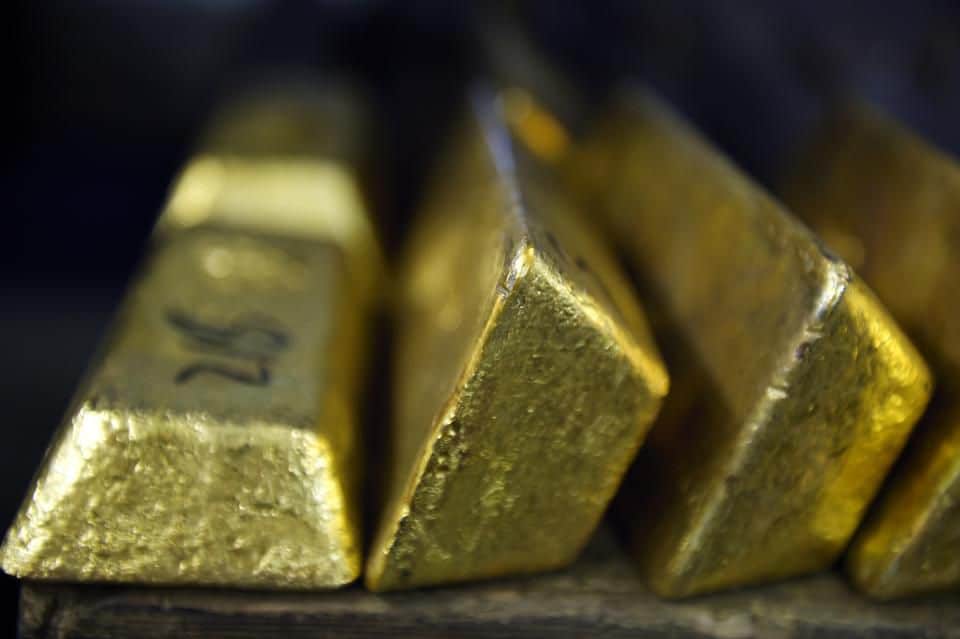
Every genuine 14K gold piece should carry one of these stamps: “14K,” “14KT,” “585,” or “14K P” (plumb gold). These marks appear on the clasp of necklaces and bracelets, the inner band of rings, the post of earrings, or the surface of bars. The absence of any hallmark on a piece sold as 14K is a significant red flag.
For bar purchases, cross-check the serial number on the bar against the accompanying assay certificate from the refinery. Africa Gold Suppliers Ltd provides XRF-verified assay certificates from accredited laboratories with every gold bullion purchase.
Magnet Test
Gold is non-magnetic. Place a strong neodymium magnet near the piece: any magnetic attraction indicates iron or steel content — it is not solid gold. Note that the magnet test alone cannot detect non-magnetic gold-plated brass or copper pieces; it rules out only the cheapest fakes.
XRF Analysis (Professional Standard)
X-ray fluorescence (XRF) scanning is the gold standard for non-destructive purity testing. It reads the exact elemental composition of a piece in seconds — confirming 58.3% gold and the specific alloy percentages. Africa Gold Suppliers Ltd XRF-tests every shipment before dispatch. For buyers wanting independent verification on arrival, any reputable local assay office can conduct XRF testing.
Acid Test
Nitric acid (HNO₃) testing differentiates gold from base metals. Scratch a line of metal on a black test stone, apply the acid appropriate for 14K concentration: genuine 14K gold shows no reaction, while base metals dissolve or change colour (green indicates copper-based fake). Acid testing is mildly destructive (it scratches a small surface sample) but highly reliable.
Density Test
Weigh the piece dry on a precision scale (in grams), then weigh it again suspended in water. Calculate density using Archimedes’ principle: Density = dry weight ÷ (dry weight − submerged weight). Genuine 14K yellow gold has a density of approximately 13.5–14.0 g/cm³. Significant deviation suggests hollow construction or base metal content.
For full guidance on verifying authenticity before purchase, see FAQs about buying gold in Africa and buying genuine gold.
14K Gold Price in Different Countries
The 14K gold price varies by country because it is calculated from the international USD spot price then converted through local exchange rates and adjusted for local taxes and dealer premiums.
| Country | 14K Gold Price per Gram | Notes |
|---|---|---|
| USA | ~$81.35–$88 USD | Spot + 2–8% retail premium |
| South Africa | ~ZAR 1,480–1,560 | Based on current USD/ZAR rate |
| Ghana | ~GHS 980–1,050 | Based on current USD/GHS rate |
| Tanzania | ~TZS 218,000–230,000 | TMC-regulated market pricing |
| Uganda | ~UGX 305,000–320,000 | AGR-processed bars |
| Dubai (UAE) | ~AED 299–315 | Tax-free retail; competitive |
| UK | ~£64–£70 | Sterling + VAT on manufacture |
| Europe (EUR) | ~€74–€80 | VAT applies in most EU countries |
| India | ~₹6,750–7,100 | 3% GST + import duty |
14K Gold Jewellery Buying Guide
Best 14K Gold Chains
Cuban link chains in 14K are the market’s most durable and popular chain style — the interlocking links distribute stress across multiple contact points, making them significantly more break-resistant than traditional styles. Available from 18–30 inches, 4–15mm width. Yellow 14K for maximum impact; white 14K for contemporary edge.
Figaro chains (alternating long and short links) in 14K offer elegant versatility — thin gauges for layering, thicker gauges for standalone statement pieces. The alternating link pattern is particularly durable in 14K because the alloy prevents link distortion under daily stress.
Rope chains in 14K are the layering jewellery buyer’s go-to — their twisted construction creates the appearance of greater mass than the actual gold weight, making them cost-effective visual impact.
Best 14K Gold Engagement Rings
14K is the dominant engagement ring material in the US specifically because the hardness protects the ring during the decades of daily wear that follows a proposal. The prong settings holding diamonds or gemstones in 14K rings are significantly more secure than equivalent 18K or 22K settings — the alloy resists the slow metal fatigue that causes prong tipping.
Solitaire settings in 14K white gold maximise diamond brilliance through the neutral colour frame. Halo settings in 14K rose gold are one of the most searched ring styles globally, combining warmth and romance. Three-stone settings in 14K yellow gold deliver traditional gravitas.
For daily-wear jewellery sustainability, see the care section below — 14K engagement rings worn daily will maintain their appearance for decades with minimal maintenance.
Best 14K Gold Earrings
Small hoop earrings in 14K (10–14mm diameter) are the world’s most universally flattering earring format and benefit from 14K’s hardness — thin 14K hoops maintain their round shape through years of repeated wear, whereas higher-karat equivalents deform over time.
Stud earrings with diamond or gemstone settings in 14K benefit from the secure prong settings described above — at a price point approximately 25–30% below equivalent 18K settings.
14K Gold Investment Guide — Is It Worth Buying?
14K Gold as an Investment Asset
For pure investment purposes, 24K gold bars are the superior choice — they command the full spot price on resale, are accepted without re-assay at major refineries worldwide, and carry no craftsmanship premium that adds cost without adding resale value. The gold bullion for sale page covers investment-grade options.
For wearable investment — building a portfolio of jewellery that appreciates with gold’s value while being enjoyable to wear — 14K is the most practical choice. At resale, 14K jewellery typically returns 75–90% of its melt value (depending on condition, hallmarking quality, and whether sold to a dealer or refinery). The melt value itself rises with the gold spot price.
Gold Price Performance Context
Gold has delivered extraordinary returns since the COVID period:
| Year | 24K Spot (USD/oz) | 14K equivalent per gram |
|---|---|---|
| 2020 | $1,771 | ~$43 |
| 2021 | $1,799 | ~$43.50 |
| 2022 | $1,800 | ~$43.50 |
| 2023 | $1,943 | ~$47 |
| 2024 | $2,389 | ~$57.70 |
| Jan 28, 2026 (ATH) | $5,602 | ~$135.40 |
| June 16, 2026 | $4,339 | $81.35 |
The current $81.35/gram for 14K represents gold prices 41% above the 2024 average — still an extraordinary level by any historical measure, and 89% above the 2020 level. For buyers considering whether to purchase 14K gold jewellery or bars now, the current level — a pullback from January 2026’s all-time high — represents a historically elevated but directionally supported entry point.
For strategic gold investment considerations, see advantages and disadvantages of investing in gold and the gold in Africa market overview on Africa Gold Suppliers Ltd. The gold vs silver comparison provides context for multi-metal investment strategies.
How to Care for 14K Gold Jewellery
Daily cleaning (weekly): Soak in warm water with a few drops of mild dish soap for 5 minutes. Gently scrub with a soft-bristled toothbrush (not electric — too harsh). Rinse under warm running water; dry thoroughly with a lint-free microfibre cloth. Pat dry, do not rub.
Storage: Store each 14K piece in a separate soft pouch or lined compartment in a jewellery box. 14K gold is hard, but it will still scratch softer metals and be scratched by harder stones (diamonds rate 10 on the Mohs scale). Separate storage prevents contact damage.
Avoid: Perfume, hairspray, chlorine (swimming pools), bleach, acetone, and extreme temperature changes. Apply all cosmetics and fragrances before putting on gold jewellery. Remove rings before swimming, gardening, or weightlifting.
Polishing: Use a purpose-made gold polishing cloth quarterly for yellow and rose 14K. Avoid silver polishing cloths — they contain chemicals calibrated for silver’s different tarnish chemistry. For white 14K, polishing cloths help but rhodium replating is the proper restoration method when the bright-white finish dulls.
Professional cleaning: Every 1–2 years, have a jeweller professionally clean, inspect prong settings, and replate white 14K if needed. Most good jewellers offer this service for under $50.
14K Gold — Environmental and Ethical Considerations
Gold mining carries significant environmental and social responsibility implications. Responsible 14K gold purchasing considers:
Recycled 14K gold: An increasingly available option. Recycled gold is smelted from old jewellery, electronics, and industrial waste — requiring no new mining and carrying a dramatically lower environmental footprint. Ask your supplier explicitly whether their 14K gold is virgin-mined or recycled.
Responsible Jewellery Council (RJC) certification: Look for RJC-certified suppliers. RJC certification covers environmental management, labour rights, and supply chain due diligence across the full gold supply chain from mine to retail.
Fairmined certification: For artisanal mining communities, Fairmined certification verifies that gold was produced by responsible small-scale miners under defined social and environmental standards.
Conflict-free sourcing: Verify that your supplier provides OECD Due Diligence documentation confirming that gold does not originate from conflict-affected regions. Africa Gold Suppliers Ltd provides OECD-compliant documentation with all shipments. See the gold and silver dealers guide for compliance verification steps.
Gold smuggling awareness: Gold smuggling remains a serious issue in some African markets. Purchasing from a licensed, documented dealer — rather than informal market traders — ensures your gold contributes to legitimate local economies rather than illicit networks. The gold smuggling in Africa article explains the risks and how to protect yourself.
Advantages and Disadvantages of 14K Gold
Advantages
Durability: At 58.3% gold with 41.7% hardening alloys, 14K is the most scratch-resistant standard jewellery gold karat — approximately 40% harder than 18K. For daily-wear pieces like engagement rings, wedding bands, and everyday bracelets, 14K’s hardness is a genuine, practical advantage that higher-karat alternatives cannot match.
Affordability: At $81.35/gram versus $104.65/gram for 18K and $139.39/gram for 24K (June 2026 prices), 14K gold allows buyers to access the beauty, status, and investment properties of real gold at a 22–42% lower cost than higher-karat equivalents. A 14K engagement ring that would cost $1,500 in 18K is available in 14K for approximately $1,175.
Versatility: Available in yellow, white, and rose colour variants — and across every jewellery form from chains to rings to bars. 14K’s workability also allows for more intricate designs than higher-karat softer golds.
Genuine gold feel and value: At 58.3% pure gold, 14K jewellery retains meaningful melt value that rises and falls with the gold spot price — giving it a financial depth that silver or fashion metals cannot match.
Disadvantages
Lower investment-grade purity: For pure investment purposes — holding value and reselling at refineries — 14K is less liquid than 18K or 24K because its 41.7% alloy content means a larger proportion of the weight is not gold. Major refineries and bullion banks accept 24K and LBMA-standard bars at face spot value without re-assay; 14K material typically goes through a re-assay and refining process.
White gold replating requirement: White 14K gold requires rhodium replating every 1–2 years for active wearers. This is a minor but real ongoing maintenance cost and inconvenience.
Alloy sensitivity risk: White 14K gold with nickel alloy can cause skin reactions in nickel-sensitive individuals. Always confirm the specific alloy composition for white gold pieces before purchase.
Myths and Facts About 14K Gold
Myth: 14K gold is low quality. Fact: 14K gold is genuine, certified gold — 58.3% pure — and the most widely used jewellery gold in the world’s largest consumer market (the USA). “Low quality” applies to gold-plated or gold-filled items, not 14K solid gold.
Myth: Higher karats are always better. Fact: Higher karats are purer but softer. 24K gold is the worst choice for rings or chains worn daily. For wearable applications, 14K’s durability makes it objectively superior to 22K or 24K.
Myth: 14K gold doesn’t tarnish. Fact: Pure gold within 14K does not tarnish. However, the copper and silver alloys can develop minor surface discolouration over time. Regular cleaning prevents and easily removes this.
Myth: 14K and 18K look the same. Fact: 14K yellow gold has a slightly less intense yellow colour than 18K because it contains 41.7% non-gold metals versus 18K’s 25%. Most buyers cannot detect the difference in everyday lighting, but side-by-side comparison reveals the deeper yellow of 18K.
Myth: Rose gold is a different metal. Fact: Rose gold is standard 14K gold with a higher copper ratio in the alloy. It has exactly the same gold content (58.3%) as yellow or white 14K — only the alloy proportions differ.
FAQs: 14K Gold
What is the 14K gold price per gram today (June 2026)? The 14K gold price per gram as of June 16, 2026 is $81.35 USD (GoldCalcTool.com, 3:30 PM ET). This is calculated as 58.3% of the live 24K spot of $139.39/gram. Prices update throughout the trading day — check gold price in Africa for current rates.
Is 14K gold real gold? Yes. 14K gold is 58.3% pure gold (585 fineness). It is real, genuine gold alloyed with other metals for durability. It carries internationally recognised hallmarks (14K, 14KT, or 585) confirming its composition.
Is 14K gold good for everyday wear? Yes — 14K is the best everyday jewellery gold by the durability measure. Its 40% greater hardness versus 18K makes it significantly more resistant to the scratching, bending, and prong distortion that comes with daily ring and bracelet wear.
Does 14K gold fade or change colour? Yellow and rose 14K gold do not fade. The gold content is permanent. White 14K gold’s rhodium surface coating wears through with heavy use over 1–2 years, revealing a slightly yellowish underlying alloy — replating restores the original finish. This is not fading of the gold itself.
Can I sell 14K gold? Yes. 14K gold can be sold to jewellers, pawnshops, gold dealers, or refineries. Expect 75–90% of melt value depending on the buyer. Hallmarked pieces in good condition command higher payouts. Use Africa Gold Suppliers Ltd’s do you have gold bars for sale and do you sell gold dore bars pages for guidance on selling gold material back through our network.
What’s the difference between 14K and 14KP (plumb gold)? “14KP” or “14K Plumb” means the piece is guaranteed to be exactly 58.3% gold — not rounded or slightly below. Standard “14K” in the US can legally be as low as 13.5K (56.25%) under FTC rules. “P” designation confirms precisely 14K purity.
Related Pages — Africa Gold Suppliers Ltd
Gold Products:
- Gold Bar — investment bars from Africa
- Gold Nugget — natural placer gold
- Raw Gold — artisanal and mine output
- Gold Bullion — certified investment grade
- Gold Bullion for Sale
- Silver Bullion Bar
- Silver Bullion Coins
- Buying Gold Coins
- Gold Bullion Rounds
Gold Purity Guides:
- 24K Gold — complete 24K guide
- 22K Gold Price
- Gold vs Silver
- South African Krugerrand Gold Coins
African Market Pricing:
- Gold Price in Africa
- Gold Price in Ghana
- Gold Price in Tanzania
- Gold Bars Price in South Africa
- Tanzania Gold Market
- Gold Mines in Tanzania
- Gold Producing Countries in Africa
Buy Gold By Country or Region:
- Buy Gold in Uganda
- Buy Gold in Congo
- Buy Gold and Silver in South Africa
- Buy Gold in Dubai
- Buy Gold Online in Canada
- Buy Gold Online in Switzerland
- Buy Gold Online in Netherlands
- Buying Gold in Malaysia from Africa
- Buy Gold in Vietnam from Africa Online
- Buy Gold in Uganda from USA
- Buy Gold Bullion from Mwanza
Services and Guides:
- Buy Gold Bars from Africa
- Buy Gold Bullion Online
- Buy Gold from Local Miners
- Exporting Gold from Uganda
- Exporting Gold Bullion
- Gold and Silver Dealers
- FAQs About Buying Gold in Africa
- Buying Genuine Gold
- Advantages and Disadvantages of Investing in Gold
- Gold Smuggling in Africa
- Gold Mining
- Gold in Africa
- Gold From Congo
- Do You Have Gold Bars for Sale
- Do You Sell Gold Dore Bars
- Contact Africa Gold Suppliers
Buy 14K Gold from Africa’s Most Trusted Supplier
At Africa Gold Suppliers Ltd, we source, certify, and export 14K gold material — bars, scrap, and refined products — from licensed mines and processing facilities across Uganda, Tanzania, Ghana, the DRC, and South Africa. Every product ships with an independent assay certificate confirming 585 fineness, a Certificate of Origin, and cargo insurance via Brinks or equivalent secure logistics.
At June 2026’s price of $81.35 per gram for 14K gold, our prices are pegged to the live LBMA spot — no inflated retail markups, no hidden fees.
- 📞 Phone/WhatsApp: +256 758 582255
- 📧 Email: africagoldsuppliers@gmail.com
- 🌐 Contact: africagoldsuppliers.com/contact
- 🌐 Browse products: africagoldsuppliers.com
All 14K gold prices in this article are sourced from GoldCalcTool.com (Jun 16, 2026, 3:30 PM ET: $81.35/gram), GoldPriceWorld.com (Jun 16, 2026, 3:52 PM UTC-4: $81.33/gram), and GoldRate24.com (Jun 16, 2026: $81.61/gram). 24K spot from JM Bullion ($4,345.57/oz as of Jun 17, 2026 at 1:50 AM EDT). 14K price = 24K spot × 0.583. All prices fluctuate continuously — verify before transacting. The original article’s November 2025 prices of $78.23/gram and $2,452/oz have been updated throughout to reflect current June 2026 market data.