
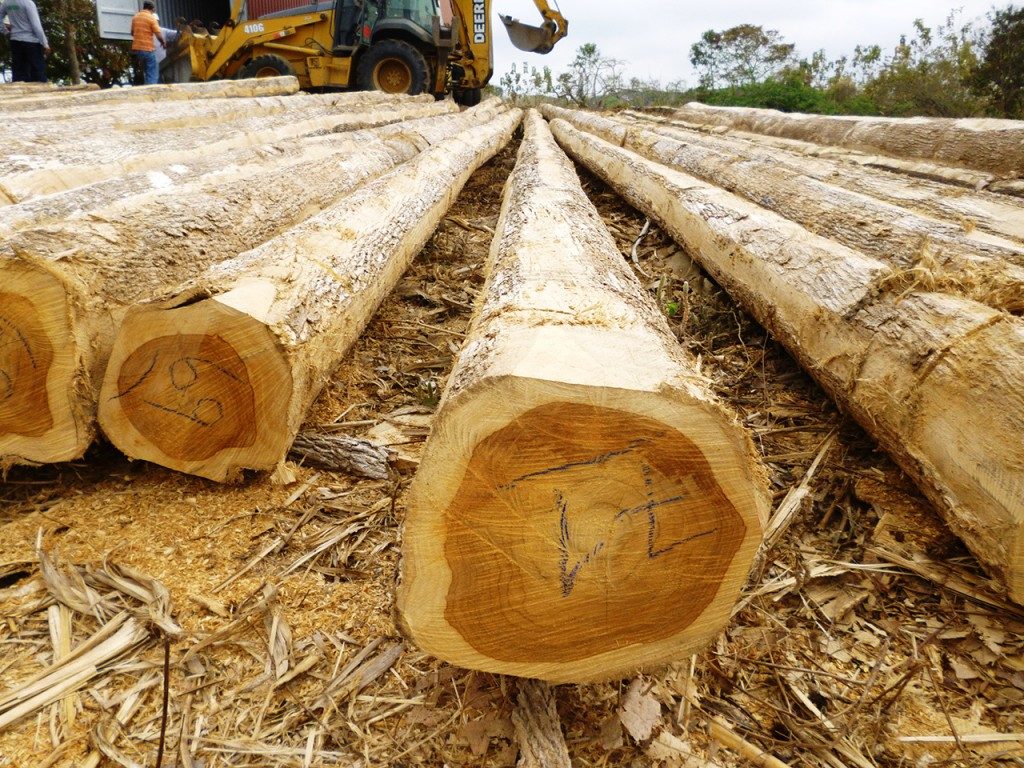
The African Teak Tree: Milicia excelsa (Iroko) – Properties, Uses, Sustainability, and More
The African Teak Tree, scientifically known as Milicia excelsa (and sometimes Milicia regia), is a majestic hardwood species native to tropical Africa.
Commonly referred to as the Iroko tree or simply African teak, it earns its nickname from its striking resemblance to genuine Asian teak (Tectona grandis) in durability and appearance.
This African hardwood timber is prized worldwide for its exceptional strength, natural resistance to termites and decay, and beautiful golden-brown hues, making it a top choice in construction, furniture, and export markets.
Unlike true teak from Asia, African teak wood comes from a different botanical family but offers similar high-performance qualities at often more accessible prices.
In this comprehensive guide, we’ll explore the African teak tree characteristics, where African teak grows, its uses of African teak wood, comparisons with Asian teak, pricing, sustainability concerns, and more.
Characteristics of African Teak
The African Teak Tree (Milicia excelsa) is a large deciduous tree that dominates rainforest canopies. Here’s a detailed breakdown of its African teak tree properties:
- Height: Typically reaches 35–50 meters (115–164 feet) in mature forests, with some specimens exceeding 50 meters.
- Trunk Diameter: Up to 2–3 meters (6.5–10 feet) at breast height, often with buttress roots for stability.
- Bark: Rough, grayish-brown, and flaky; exudes a milky latex when cut.
- Leaves: Large, pinnate, dark green, and glossy, providing dense shade.
- Lifespan: A long-lived hardwood tree, often surviving 500+ years in ideal conditions.
- Growth Rate: Moderate; young trees grow 1–2 meters per year in fertile soils.
- Wood Color: Freshly cut African teak wood is pale yellow, darkening to golden or medium brown with exposure to air and light.
- Grain: Usually straight but can be interlocked, contributing to its workability and aesthetic appeal.
- Hardness and Density: Janka hardness rating of around 1,260 lbf (comparable to oak); density of 630–700 kg/m³ when air-dried.
These African teak tree characteristics make the wood highly versatile and resistant to wear, explaining its popularity in demanding applications.
Habitat & Distribution: Where African Teak Grows
African teak grows primarily in the tropical rainforests of sub-Saharan Africa. Its natural range spans:
- West Africa: Ghana, Nigeria, Ivory Coast, Cameroon, and Sierra Leone (highest commercial concentrations).
- Central Africa: Democratic Republic of Congo (DRC), Republic of Congo, and Gabon.
- East Africa: Uganda, Tanzania, Kenya, and parts of Mozambique.
The tree thrives in humid equatorial climates with:
- Annual rainfall: 1,200–2,500 mm.
- Temperatures: 20–32°C (68–90°F).
- Soil Type: Well-drained, fertile loams or clay-loams; prefers slightly acidic to neutral pH.
While it regenerates naturally in mixed deciduous forests, African teak is increasingly cultivated in plantations to reduce pressure on wild stocks. In Uganda and Tanzania, for instance, agroforestry programs integrate it with crops like cocoa.
Uses of African Teak Wood
The uses of African teak wood are extensive, thanks to its durability, aesthetic appeal, and natural oils that repel insects and water. Key applications include:
- African Teak Furniture: Ideal for indoor and outdoor pieces like tables, chairs, and beds; resists warping in humid conditions.
- Boat Building: Used for decks, hulls, and fittings due to excellent water resistance.
- Flooring and Door Frames: Provides long-lasting, scratch-resistant surfaces.
- Outdoor Decking: African teak for construction excels in patios and walkways.
- Musical Instruments: Preferred for drum bodies and guitar backs.
- Interior Paneling and Carving: Interlocked grain allows intricate crafts.
African teak for export is a major revenue source for African nations, with logs and sawn timber shipped to Europe, Asia, and the Middle East. Its termite- and rot-resistant properties stem from natural deposits of chlorophorin, a compound that deters pests without chemical treatments.
African Teak vs Asian Teak: Key Differences
Searchers often query African teak vs Asian teak—here’s a clear comparison:
|
Aspect |
African Teak (Milicia excelsa) |
Asian Teak (Tectona grandis) |
|
Color |
Golden to medium brown |
Yellowish-brown to dark brown |
|
Density |
630–700 kg/m³ |
600–750 kg/m³ |
|
Durability |
Excellent (termite-resistant) |
Superior (higher oil content) |
|
Price |
Lower (see pricing section) |
Higher due to scarcity |
|
Availability |
Abundant in plantations |
Limited; mostly from plantations in Asia/plantations |
|
Sustainability |
Improving with certifications |
Often FSC-certified but overharvested historically |
African teak is a cost-effective alternative for projects where true teak’s premium isn’t essential.
Importance to Local Communities & Culture
In West Africa, the Iroko tree holds deep cultural significance—often considered sacred in Yoruba and Igbo traditions, symbolizing strength and ancestry. Traditional medicinal uses include bark extracts for treating fever, inflammation, and wounds.
Economically, African hardwood timber like Iroko supports thousands of jobs in logging, milling, and export, contributing billions to GDP in countries like Ghana and Nigeria.
Conservation Status & Threats
African teak sustainability is a growing concern. Milicia excelsa is listed as Near Threatened on the IUCN Red List due to:
- Overharvesting for high-demand timber.
- Illegal logging in protected areas.
- Habitat loss from agriculture and urbanization.
Efforts include CITES regulations, FSC-certified plantations in Uganda and Tanzania, and reforestation programs. Sustainable sourcing ensures African teak for export doesn’t deplete wild populations.
African Teak Wood Prices
African teak price per cubic meter varies by factors like grade (FAS/Select), kiln-drying, origin, and market demand:
- Sawn timber: $800–1,500 USD/m³ (export quality from West Africa).
- Logs: $400–800 USD/m³.
- Compared to other hardwoods: Cheaper than mahogany ($1,200–2,000) but pricier than pine ($300–500).
Prices fluctuate with export regulations and global supply chains—check local markets in Uganda or Tanzania for current rates.
How to Identify Genuine African Teak
To avoid fakes:
- Color and Grain: Golden-brown with interlocked patterns; darkens over time.
- Smell: Fresh, oily/leathery aroma when cut.
- Density: Sinks in water; heavy for its size.
- Water Resistance: Beads water on the surface.
Buy African Teak Tree with Us Today
Africa Gold Suppliers Limited deals in African Teak Wood (Pericopsis elata) a native tree to the Democratic Republic of Congo (DRC). Based on our experience and skills in timber production, Africa Gold Suppliers Limited is noted as one of the best manufacturers, exporters and suppliers of African Teak Wood in Africa.
Africa teak grows from medium to larger size and up to 50m tall. It mainly grows in dry deciduous forests in West and Central Africa. It has the best, moderately heavy and durable timber.
Africa Gold Suppliers Limited provides quality range of teak wood in different specifications and dimensions so as to meet our clients’ needs. Our clients can get this African teak wood from us at pocket friendly prices. Because of its premium quality, termite resistance and low maintenance features, African teak wood is highly on demand worldwide.
We offer variety of African teak wood including teak hardwood. Because we have variety of teak wood options, our clients have more opportunities to make the best choice depending on their needs. As well, our clients can make a choice from black, red and white or round, square.
Africa Gold Suppliers Limited is one of the leading firms involved in supplying the African teak wood. Our teak wood products are used in construction, boat building, joinery, flooring, furniture and paneling.
Our products are high demand in construction and furniture sectors. We do cut wood into various sizes and shapes using advanced machine under the supervision of experts.
Prior final dispatch, our products are thoroughly checked on numerous quality parameters by our experts to ensure that their flawlessness. Our teak wood has a coarse texture with medium sized open pores.
Its long lasting nature, thickness, premium quality and termite resistance are among the many reasons teak wood stand out on the market.
Frequently Asked Questions (FAQs)
What is African teak used for?
Primarily furniture, flooring, boat building, and construction due to its durability.
Is African teak the same as Iroko?
Yes—Milicia excelsa is commonly called Iroko or African teak.
Is African teak good for outdoor furniture?
Absolutely; its natural oils make it rot- and termite-resistant.
Is African teak expensive?
Moderately—cheaper than Asian teak but premium among African hardwoods.
Is African teak endangered?
Near Threatened, not endangered; sustainable options exist.
Where can I buy African teak?
From certified exporters in Ghana, Nigeria, Uganda, or international timber suppliers.
Conclusion
The African Teak Tree (Milicia excelsa), or Iroko, stands as a cornerstone of Africa’s natural resources—offering versatile African teak wood for global markets while supporting local economies. Its properties like hardness and resistance ensure longevity in uses from African teak furniture to construction.
However, balancing demand with African teak sustainability through ethical harvesting is crucial for future generations.
Whether you’re a forester, builder, or exporter, choosing certified African hardwood timber preserves this iconic species.