
Gold in Africa 2026:Complete Guide to Top Producers & Prices
Gold in Africa represents the cornerstone of the global precious metals industry and the most strategic sourcing opportunity in the international gold market today.
The continent produces approximately 1,010 tonnes of gold annually—more than any other region on Earth—and controls roughly 30% of the world’s remaining mineral reserves. When you’re seeking to buy gold in Africa or invest in African gold, you’re accessing the world’s most productive and cost-efficient gold-producing region.
Gold Prices in Africa: Current Live Market Rates
Today, gold prices have moderated from January’s record peak of $5,602.22 per troy ounce, now trading at approximately $4,820–$4,850 USD per troy ounce (~$154.88/gram for 24K gold). This represents approximately 43% year-on-year growth, reflecting the structural bull market in precious metals that began in 2025.
When you buy certified African gold, you access gold prices in Africa that track the international LBMA spot price with premiums 1–3% above spot—significantly lower than Western retail markets charging 5–10% premiums.
Current Gold Price Table by African Region
| Country | Currency | 24K/gram (Local) | 24K/gram (USD) | 1 kg (USD) | Premium |
|---|---|---|---|---|---|
| Ghana | GHS | GHS 1,865.44 | ~$155–$163 | ~$155,400–$163,200 | +1.0% to +7.5% |
| Uganda | UGX | UGX 586,930 | ~$156 | ~$155,700 | +0.5% to +3.0% |
| Tanzania | TZS | TZS 402,175–410,960 | ~$154–$157 | ~$154,500–$157,200 | +0.0% to +2.0% |
| Kenya | KES | KES 20,077 | ~$154 | ~$154,200 | +0.5% to +2.0% |
| South Africa | ZAR | ZAR 2,542.80 | ~$155 | ~$154,800 | +0.5% to +2.0% |
| Nigeria | NGN | NGN ~243,500 | ~$154 | ~$154,000 | +1.0% to +2.0% |
| Mali | XOF | XOF ~102,117 | ~$156 | ~$156,200 | +0.5% to +2.0% |
| DRC | USD | USD ~$155 | ~$155 | ~$155,000 | +0.0% to +1.0% |
The gold market Africa advantage is clear: purchasing directly from licensed African exporters captures 1–3% premiums compared to Western retail’s 5–10%, resulting in savings of $6,000–$15,000+ per kilogram.
Why Africa Dominates Global Gold Production: Historical Heritage Meets Modern Powerhouse
Africa’s relationship with gold extends back millennia. The Mali Empire’s legendary wealth, Mansa Musa’s pilgrimages that famously influenced Mediterranean gold supplies, and ancient Egyptian goldworking traditions demonstrate that gold mining in Africa has shaped civilizations for thousands of years.
Today’s reality is equally compelling: top gold producing countries in Africa collectively generate over 1,010 tonnes annually, surpassing China (380 tonnes), Russia (330 tonnes), and Australia (284 tonnes) combined.
The African Gold Production Advantage
Africa’s 1,010 annual tonnes represents approximately 32% of global production, yet the continent’s All-In Sustaining Costs (AISC) of $1,200–$1,400 per ounce are the lowest globally. This cost advantage means:
- Higher profit margins: At current $4,820/oz prices, African operations generate $3,420–$3,620/oz in free cash flow—record profitability
- Superior returns: Mining companies operating at these cost levels deliver exceptional shareholder returns and dividend yields
- Long-term supply security: Low-cost, high-grade deposits support decades of future production
- Investment certainty: When you buy gold from Africa, you’re accessing an industry operating at peak profitability
Top Gold-Producing Countries in Africa 2026: Rankings and Market Analysis
Ghana: Africa’s Undisputed Production Leader
Ghana produces approximately 150–159 tonnes annually, commanding the top position in African gold production rankings. The country’s gold mining operations in Ghana include the Obuasi mine (AngloGold Ashanti), Tarkwa (Gold Fields), and Ahafo (Newmont), collectively generating the continent’s highest volumes.
Ghana’s 2025 GoldBod regulatory framework created Africa’s most comprehensive gold export framework, making how to buy gold in Ghana increasingly transparent and compliant. When you source gold from Ghana, you access government-certified PMMC assay verification.
Uganda: East Africa’s Competitive Gold Market
Uganda produces 45–50 tonnes annually with a unique advantage: direct access to both large-scale industrial operations and ASGM cooperatives. The country’s Uganda gold prices are frequently lowest in East Africa due to supply proximity and competitive local markets.
Gold mining in Uganda includes formal operations plus an active artisanal sector, creating diverse sourcing options for African gold. When you buy gold in Uganda, you can often negotiate directly with mining cooperatives, capturing wholesale pricing unavailable elsewhere.
Tanzania: East Africa’s Transparency Leader
Tanzania produces 50–55 tonnes annually with the regional advantage: the Tanzania Mineral Audit Agency (TMAA) publishes official daily gold price references, making Tanzania gold prices the most transparent in East Africa.
Gold mining in Tanzania includes AngloGold’s Geita operation and North Mara (Barrick), plus substantial artisanal production. How to buy gold in Tanzania involves TMAA certification, which reduces fraud risk dramatically.
South Africa: Historic Reserves and Industrial Excellence
South Africa produces 100–110 tonnes annually from deep underground operations, yet more importantly holds the world’s single largest gold reserve base: South Deep’s 32.8 million ounces could support 70+ years of mining at current extraction rates.
Gold mining in South Africa represents industrial gold production at its most sophisticated. The Rand Refinery’s LBMA accreditation means South African gold bars are accepted globally without re-assay—the gold standard of international acceptance.
Mali: West Africa’s Emerging Production Powerhouse
Mali produces 65–74 tonnes annually, hosting the Loulo-Gounkoto multi-mine complex and representing Barrick’s flagship African operation. Mali gold mining generates substantial reserves supporting future growth.
Additional Significant Producers
- Burkina Faso: 55–60 tonnes annually; Burkina Faso gold mining
- DRC: 90 tonnes including artisanal; Kibali mine (Barrick/AngloGold) is Africa’s single largest operation
- Zimbabwe: 35 tonnes, primarily artisanal and small-scale mining
- Côte d’Ivoire: 30 tonnes; growing low-cost producer
- Sudan: 50–70 tonnes from Red Sea Hills deposits
- Guinea: 40–45 tonnes from emerging operations
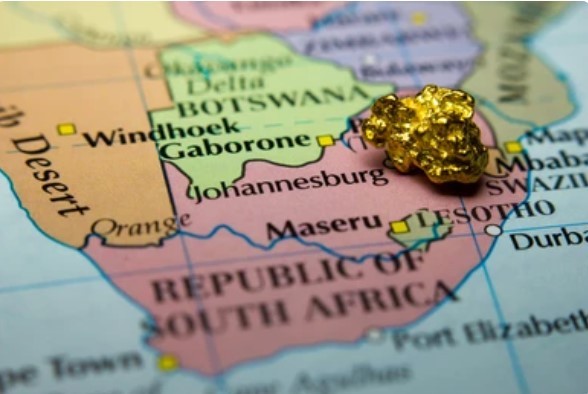
How to Buy Gold in Africa: The Complete Sourcing Guide
Step 1: Identify Your Requirements
Before you buy gold bullion Africa, determine:
- Purity requirement: 24K (99.9%+) for investment; 22K for jewelry applications
- Quantity: Minimum order volumes vary by supplier (typically 100g–1kg retail; 25kg+ institutional)
- Delivery timeline: Standard processing takes 5–14 business days
- Certification requirement: LBMA, PMMC (Ghana), TMAA (Tanzania), or refinery hallmark
Step 2: Work with Licensed Exporters
The best way to buy African gold is through government-licensed dealers:
- Ghana: How to buy certified gold in Ghana requires GoldBod Licensed Gold Exporter (LGE) status
- Uganda: BGMA licensed gold dealers in Uganda provide URA export authorization
- Tanzania: TMAA certified gold exporters provide government assay documentation
- South Africa: SADPMR licensed dealers offer maximum regulatory certainty
Step 3: Negotiate Pricing and Terms
African gold pricing is based on LBMA spot plus agreed premium (typically 1–3%). Institutional buyers can negotiate volume discounts on bulk gold purchases Africa.
Step 4: Execute Payment
Secure methods include bank transfer (SWIFT/MT103), letter of credit for large transactions, or escrow services. Never use cash or unverified cryptocurrency.
Step 5: Receive Certification and Delivery
Your gold purchase from Africa arrives with:
- Assay certificate (fire assay or government certification)
- Certificate of origin (legal sourcing verification)
- Commercial invoice at declared USD value
- Packing list with exact weights
- Insurance and shipping documentation
African Gold Quality Standards: Purity, Certification, and Investment Grade
When you’re seeking investment grade gold Africa, understanding certification frameworks is essential.
Karat Purity Reference
| Karat | Purity | Price/gram (USD) | Primary Use |
|---|---|---|---|
| 24K | 99.9% | $154.88 | Investment bullion, central bank reserves |
| 22K | 91.6% | $142.27 | Fine jewelry, high-value items |
| 18K | 75.0% | $116.16 | Fine jewelry, mixed-metal pieces |
| 14K | 58.5% | $90.59 | Everyday jewelry, durable applications |
| 10K | 41.7% | $64.68 | Budget jewelry, costume pieces |
Certification Frameworks Ensuring Quality
LBMA Good Delivery: The global gold standard—minimum 99.5% purity with complete chain-of-custody. When you buy LBMA certified gold Africa, you’re accessing globally accepted bars requiring no re-assay.
PMMC (Ghana): Government assay certification from Ghana’s Precious Minerals Marketing Company, required for all Ghana gold exports.
TMAA (Tanzania): Tanzania Mineral Audit Agency certification with daily official price publication—Tanzania’s most transparent gold certification.
Rand Refinery (South Africa): LBMA-accredited refinery producing investment-grade gold bars South Africa accepted globally without question.
Major Gold Mining Operations in Africa: Production Leaders and Investment Significance
Kibali Gold Mine: Africa’s Largest Single Operation
Operator: Barrick Mining (45%), AngloGold Ashanti (45%), SOKIMO Government (10%)
Production: ~673,000 oz (~21 tonnes) annually
Significance: Kibali gold mine production represents Africa’s single largest mining operation. When you buy Kibali origin gold, you’re accessing formal, documented supply with minimal compliance risk.
Geita Gold Mine: East Africa’s Premier Operation
Operator: AngloGold Ashanti
Production: ~500,000 oz (~15.5 tonnes) annually
Significance: Geita mining Tanzania is consistently high-grade. Geita gold bars carry trusted AngloGold certification.
Loulo-Gounkoto: West Africa’s Multi-Mine Complex
Operator: Barrick Mining
Production: ~600,000–680,000 oz (~20 tonnes) annually
Significance: Loulo-Gounkoto mining Mali represents one of Africa’s largest reserve bases supporting long-term supply.
Tarkwa: Africa’s Largest Open-Pit Mine
Operator: Gold Fields
Production: ~450,000–500,000 oz (~15 tonnes) annually
Significance: Tarkwa open pit Ghana is one of the world’s lowest-cost producers, often offering competitive bulk gold pricing Africa.
Ahafo: Newmont’s African Flagship
Operator: Newmont Corporation
Production: ~600,000–700,000 oz (~20 tonnes) annually
Significance: Ahafo mining Ghana represents Newmont’s major African commitment with expansion potential.
South Deep: The World’s Largest Gold Reserve
Operator: Gold Fields
Reserve: 32.8 million ounces—the planet’s single largest gold resource
Significance: South Deep reserves South Africa support 70+ years of mining, providing extraordinary long-term supply security.
Types of Gold Found in Africa: Geological Deposits and Quality
Alluvial Gold: Artisanal Mining Foundation
Alluvial gold deposits Africa are found in riverbeds and ancient channels, particularly in West and East Africa. Artisanal gold mining Africa typically produces 75–95% purity raw gold requiring refining to investment standards.
Lode Gold: Industrial-Scale Production
Hard rock gold mining Africa from Archean greenstone belts dominates large-scale production, yielding consistent high-grade ore supporting industrial economies of scale.
Doré Bars: Semi-Refined Mine Output
Doré gold bars Africa contain 85–93% gold plus silver and base metals, representing standard export form from many operations before final refining.
Placer Deposits: Pre-Concentrated Natural Gold
Placer gold deposits Africa, particularly in Ghana’s Ashanti Belt, represent naturally concentrated deposits accessible through both small-scale and industrial methods.
Gold Investment Opportunities in Africa: Stocks, Bullion, and Partnerships
Physical Gold Investment
Investing in physical gold Africa offers direct ownership with gold bars investment Africa providing tangible assets. Current $4,820/oz prices with institutional forecasts reaching $5,700–$6,300 by year-end represent upside potential.
Mining Company Equities
Major producers like Barrick (NYSE: GOLD), Gold Fields (NYSE: GFI), and AngloGold (NYSE: AU) trade at attractive valuations with dividend yields 2–3.5% and significant upside if gold reaches forecasted price targets.
Supply Agreements and Direct Offtake
Institutional buyers can negotiate gold supply agreements Africa with major producers for consistent, documented offtake at competitive pricing.
Exporting Gold from Africa: Regulations, Permits, and Compliance
Export Tax Framework by Country
| Country | Export Tax | Regulatory Authority | Key Requirements |
|---|---|---|---|
| Ghana | ~1.5% | GoldBod | LGE license, PMMC assay, customs declaration |
| Uganda | 5–10% | MEMD/URA | BGMA license, URA export clearance |
| Tanzania | ~7% | TMAA | TMAA permit, government assay |
| South Africa | 0% (investment gold) | SADPMR | SADPMR authorization, ITAC permit |
| DRC | 10% | Ministry of Mines | Government permit, conflict assessment |
Compliance Requirements
When you export gold from Africa, ensure:
- Gold export permits Africa
- OECD due diligence compliance (particularly for DRC-origin material)
- OFAC sanctions compliance for US importers
- Dodd-Frank conflict minerals reporting for US-bound shipments
- Complete chain-of-custody documentation
Environmental and Social Responsibility in African Gold Mining
Mercury-Free Artisanal Mining
Sustainable gold mining Africa initiatives include planetGOLD and Fairtrade programs eliminating mercury from artisanal mining processes Africa.
Community Impact and Development
Ethical gold sourcing Africa prioritizes fair pricing to artisanal miners, community infrastructure investment, and employment creation. Central bank gold purchases from ASGM support livelihoods while building sovereign reserves.
Environmental Compliance
Modern environmentally responsible gold mining includes habitat protection, water management, and tailings oversight.
Gold Price Forecast and Investment Thesis: August 2026 and Beyond
Institutional Price Forecasts
- J.P. Morgan: $6,300/oz by year-end 2026 (+30% from current)
- Morgan Stanley: $5,700/oz target (+18% upside)
- World Gold Council: $5,000–$5,500/oz base case
- Goldman Sachs: $5,200/oz 12-month target
Key Market Drivers
Geopolitical Risk: Ongoing Middle East tensions, US-China trade dynamics, Russia-Ukraine uncertainty sustaining safe-haven demand
Monetary Policy: Elevated interest rates, inflation persistence, and central bank reserve diversification
Structural Demand: Central bank gold purchases Africa creating consistent institutional demand for physical bullion
Supply Constraints: Declining ore grades, exploration underinvestment, and technical mining challenges creating long-term supply tightness
The African Gold Investment Case
At current valuations with forecasted $5,700–$6,300 target prices, African gold investment opportunities offer:
- 18–30% upside potential within 12–18 months
- Lowest global mining costs ($1,200–$1,400 AISC) providing downside protection
- Institutional-grade supply from LBMA-certified refineries
- Improving regulatory frameworks reducing compliance risk
- Direct sourcing advantages capturing 1–3% premiums below Western retail
How to Compare: African Gold Sourcing vs. Western Retail Markets
| Factor | Africa Licensed Exporter | Western Retail (USA/EU) | Savings |
|---|---|---|---|
| Spot Price Reference | LBMA $154.88/gram | LBMA $154.88/gram | Identical |
| Typical Premium | 1–3% | 5–10% | Africa: 4–7% savings |
| 1kg Bar Cost | ~$155,695 | ~$162,619 | Africa: ~$6,924 cheaper |
| Delivery Time | 5–14 days | 3–7 days | Western faster |
| Compliance Documentation | Full chain-of-custody | Less rigorous | Africa more complete |
| 10kg Purchase Total | ~$1,556,950 | ~$1,626,190 | Africa savings: $69,240 |
For investors with 12+ month holding horizons and access to African sourcing networks, buying gold directly from Africa captures meaningful cost savings compared to Western retail channels.
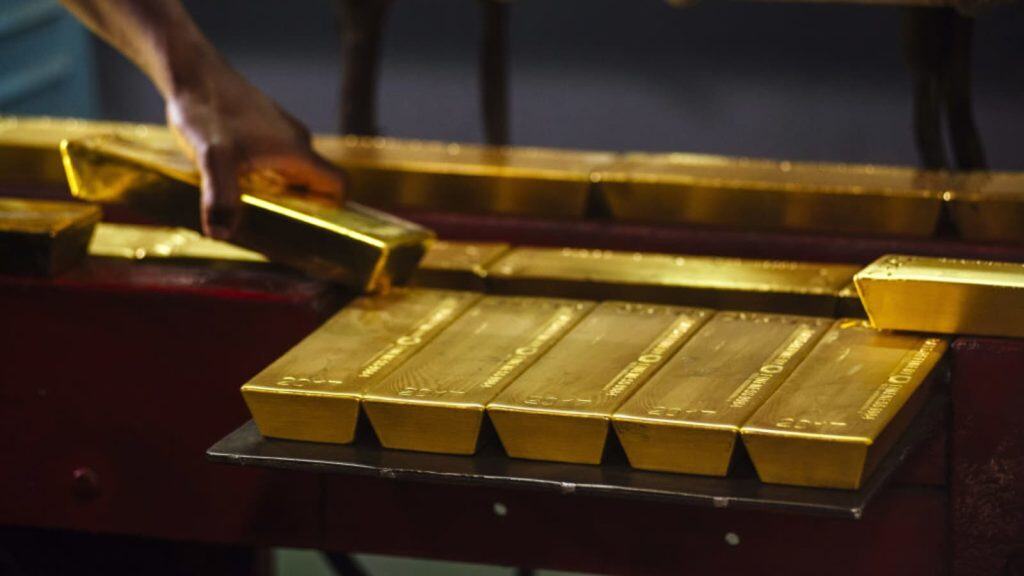
FAQs: Everything You Need to Know About Buying Gold in Africa
Q: Is African gold real and certified to international standards?
A: Yes. African refined gold from licensed refineries achieves 99.9%–99.99% (24K) purity, verified by fire assay and government certification. LBMA-accredited Rand Refinery South Africa bars are accepted globally without re-assay.
Q: Can foreigners buy gold in Africa legally?
A: Yes, through licensed dealers with proper documentation (valid passport, proof of funds, end-use declaration). Buying gold as a foreigner Africa is straightforward when working with authorized exporters.
Q: What is the best time to buy gold in Africa?
A: Prices track LBMA spot rates globally, so timing is less important than securing attractive premiums. Current gold prices Africa at 1–3% premiums represent better value than Western retail’s 5–10% premiums regardless of absolute spot level.
Q: How do I verify the authenticity of African gold before purchase?
A: Request assay certificates (fire assay or PMMC/TMAA certification), verify seller licensing through government mineral authorities, and confirm chain-of-custody documentation. Verify authentic African gold through official certification bodies.
Q: What are compliance risks when importing African gold to the US or EU?
A: For Congo-origin gold compliance, OFAC sanctions and Dodd-Frank require conflict-free sourcing documentation. Ghana, Tanzania, Uganda, and South Africa origins carry lower compliance burden. Budget $200–$1,000 for documentation.
Q: Can I buy gold directly from miners in Africa?
A: Preferably work through licensed gold importers Africa rather than directly from informal sources. Licensed intermediaries provide compliance protection, assay verification, and export authorization.
Q: What are typical minimum order volumes?
A: Minimum gold order Africa typically starts at 100–500 grams for retail purchases, with institutional buyers accessing 25kg+ volumes at negotiated discounts.
Related Pages
Expand your African gold sourcing knowledge through these comprehensive resources:
- Top Gold Producing Countries in Africa: Production Rankings & Reserves
- How to Buy Gold Online Safely: Verification, Secure Payment & Delivery
- Gold Mining in Uganda and Congo: Operations, Sourcing & Direct Access
- How to Buy Gold in Ghana: GoldBod Framework, Prices & Certification
- Investment Opportunities in African Gold: Stocks, Bonds & Physical Bullion
- Exporting Gold Bullion from Africa: Permits, Documentation & Compliance
- Gold Deposits in Africa: Geological Overview & Reserve Locations
- Buy Gold Bars from Africa: Mine-Direct Pricing & Bulk Discounts
- Buy Gold Bullion Online: Investment-Grade Bars & Certified Purity
- Sustainable Gold Mining in Africa: Ethical Sourcing & Environmental Standards
Your Gateway to African Gold: Sourcing, Investing, and Acquiring Certified African Bullion
Africa holds 30% of the world’s gold reserves and produces 32% of global supply—yet most Western investors never access the genuine cost advantages available to sophisticated buyers willing to source directly from the continent. The difference is significant: $69,000+ in savings on a 10-kilogram purchase compared to Western retail markets.
This is not speculation or complex financial engineering. This is straightforward arbitrage: buying investment-grade certified gold from licensed African exporters at 1–3% premiums versus paying 5–10% premiums to Western retailers who purchase from the same LBMA-accredited sources you can access directly.
Why Thousands of Institutional Buyers Choose African Gold Suppliers Limited
We’ve spent over a decade building direct relationships with:
- Major industrial mining operations (Barrick, Newmont, AngloGold, Gold Fields, Harmony)
- Licensed government exporters across Ghana, Uganda, Tanzania, South Africa, DRC, Mali
- Certified artisanal mining cooperatives pursuing sustainable, mercury-free operations
- LBMA-accredited refineries producing investment-grade bullion
This network means:
✓ Competitive pricing: 1–3% premiums above LBMA spot—4–7% below Western retail
✓ Complete compliance: PMMC (Ghana), TMAA (Tanzania), BGMA (Uganda), SADPMR (South Africa) certifications
✓ Chain-of-custody transparency: OECD-compliant documentation from mine to your location
✓ Secure delivery: Insured international shipping with full customs documentation
✓ Expert guidance: Our team navigates regulations, tax implications, and market timing
✓ Bulk discounts: Volume pricing available for 25kg+ institutional purchases
Ready to Source Certified African Gold?
Request a Free Competitive Quote Today:
Whether you’re sourcing 100 grams of investment bullion or negotiating supply agreements for institutional portfolios, our African Gold Suppliers team provides transparent pricing, complete regulatory compliance, and direct access to Africa’s most productive gold regions.
Contact Africa Gold Suppliers Limited Today to:
- Receive current spot-price quotes for 24K certified African gold bars
- Discuss bulk purchase discounts for 25kg+ orders
- Arrange supply agreements with major mining operations
- Explore ASGM cooperative partnerships for impact investing
- Navigate compliance requirements for your jurisdiction
- Secure logistics and international delivery
Gold trading at $4,820/oz with upside forecasts to $5,700–$6,300 creates a rare opportunity window. African gold sourcing at 1–3% premiums captures value unavailable to Western retail buyers. This advantage compounds across multi-kilogram purchases: tens of thousands of dollars saved while accessing investment-grade bullion carrying the same purity as any major dealer.
The African gold market is waiting. The opportunity is real. The pricing advantage is substantial.
Secure your African gold today and access the world’s most productive, cost-efficient gold-producing region. Our expert sourcing team is standing by to help you acquire certified African gold bullion at pricing that reflects the genuine African advantage.