
Buy Gold in Nairobi: Certified 24K, 22K, and 18K Gold
Buy Gold in Nairobi: Nairobi is East Africa’s most active gold trading hub, and buying gold here today means paying approximately KES 18,533 per gram (about $143.16 USD) for 24K gold, based on current international spot price converted at today’s USD/KES exchange rate.
This guide covers exactly what gold is available in Nairobi, today’s live pricing across every weight and purity, where to buy safely, and how to verify any dealer — including us — before you pay.
Why Is Nairobi East Africa’s Gold Trading Hub?
Nairobi draws on gold sourced from Kenya’s own mining regions — Kakamega and Migori — as well as genuine cross-border supply from Uganda and the DRC, giving the city’s gold market real depth beyond domestic production alone.
We’ve operated a Nairobi branch since 2015, alongside our Uganda operations under Mineral Dealer’s Licence MDL20260708, supplying certified gold bars, gold coins, and assayed gold nuggets to buyers in Nairobi and internationally.
What Types of Gold Can You Buy in Nairobi?
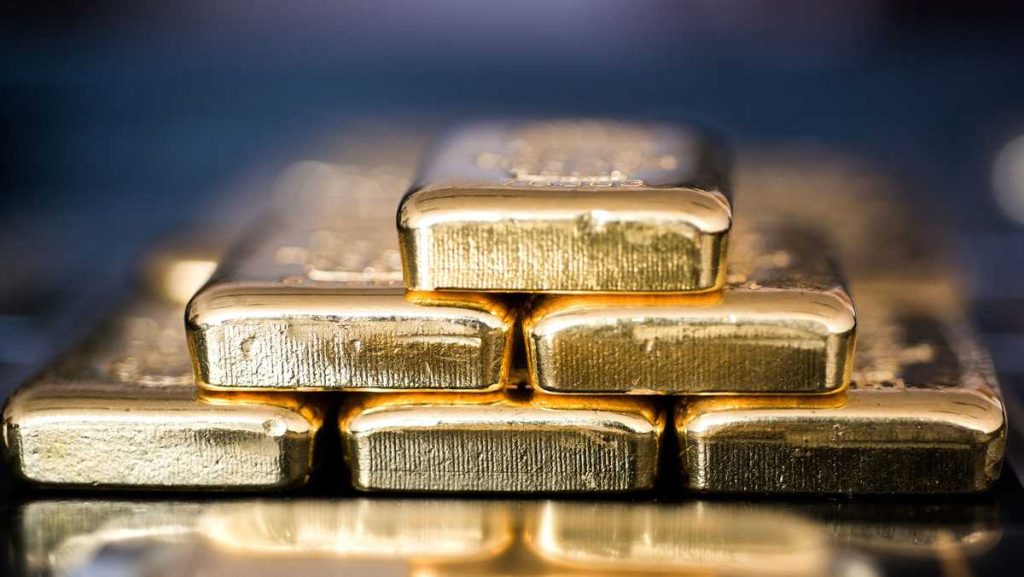
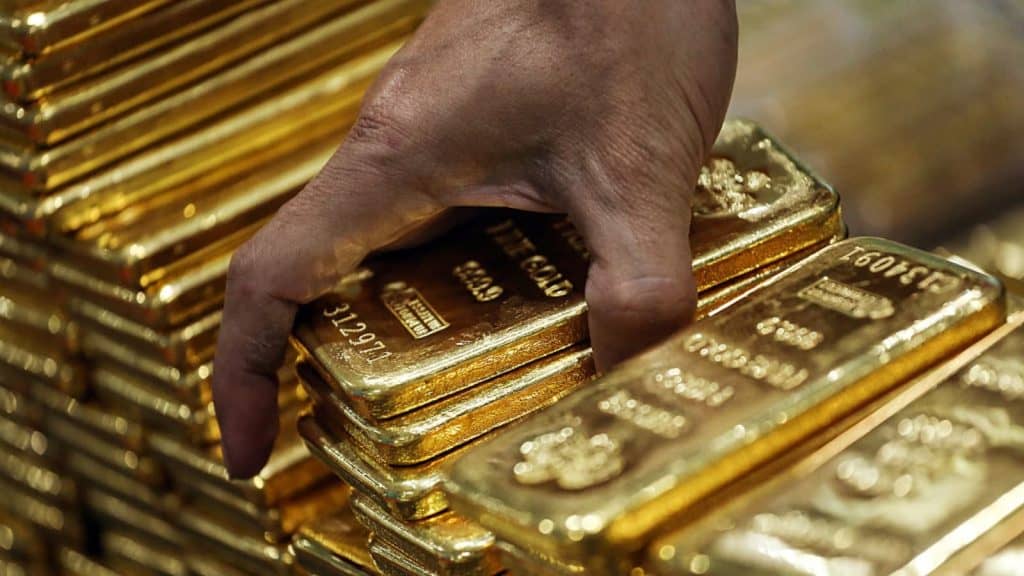
Gold bars are the most straightforward option for anyone looking to buy gold in Nairobi for investment — typically 24K (99.9% pure) or 22K, available from 1 gram up to a full kilogram, and the most liquid, easiest-to-value format provided it comes with a genuine assay certificate.
Gold nuggets, sourced from artisanal mining in Migori and Kakamega, typically run 90–95% purity. Because they’re unrefined, independent assay testing is essential before any purchase — never take a seller’s purity claim at face value.
Gold jewelry is widely available across Nairobi markets including Kamukunji and Eastleigh, mostly in 18K and 22K. Craftsmanship premiums make jewelry a genuinely poor fit for pure investment purposes, though it remains a legitimate category on its own terms for buyers who want to wear what they own.
Gold coins are less common in Nairobi’s market, sold through licensed dealers, usually 24K and valued partly for collectibility alongside their metal content.
Gold dust is rarely offered by reputable Nairobi dealers, since it’s genuinely the hardest form to authenticate and the one most associated with fraud. Treat any gold dust offer without an assay certificate as a hard pass, regardless of how attractive the price looks.
For most investors buying gold in Nairobi today, 24K gold bars remain the most straightforward choice: high purity, standardized, and globally marketable.
Current Gold Prices in Nairobi Today
Gold prices in Nairobi track the international spot price, set in London and New York, converted into Kenyan Shillings at the prevailing USD/KES exchange rate, plus a local premium for assay, handling, and dealer margin.
At today’s spot benchmark of approximately $143.16 per gram (~$4,453 per troy ounce) and a USD/KES rate of roughly 129.4, here’s what 24K gold costs in Nairobi across common weights:
| Weight | Price (KES) | Price (USD, approx.) |
|---|---|---|
| 1 gram | 18,533 | $143.16 |
| 5 grams | 92,624 | $715.80 |
| 10 grams | 185,249 | $1,431.60 |
| 20 grams | 370,498 | $2,863.20 |
| 50 grams | 926,246 | $7,158.00 |
| 100 grams | 1,852,691 | $14,316.00 |
| 1 ounce (31.1g) | 576,258 | $4,453.00 |
| 250 grams | 4,631,226 | $35,790.00 |
| 500 grams | 9,262,452 | $71,580.00 |
| 1 kilogram | 18,524,904 | $143,160.00 |
By purity, per gram, today: 24K ≈ KES 18,533 ($143.16) · 22K ≈ KES 16,975 ($131.18) · 21K ≈ KES 16,210 ($125.27) · 18K ≈ KES 13,894 ($107.37)
Gold moves throughout the trading day, so these figures are a snapshot, not a locked quote. Always request that day’s live price benchmarked to spot before finalizing any purchase, and treat any dealer quoting a fixed price meaningfully below this benchmark as a warning sign, not a bargain.
Where Are the Best Places to Buy Gold in Nairobi?
Nairobi Central Business District (CBD) is home to licensed dealers, including our own Nairobi branch, offering 24K gold bars and coins with assay certificates and export documentation included as standard.
Kamukunji Market is a genuine hub for gold jewelry (18K–22K) and small-scale bars, with competitive pricing — but this market includes informal traders without licensing, so verify seller credentials carefully before any transaction.
Eastleigh Market is known for gold jewelry and nuggets at competitive pricing; independent assay testing is strongly recommended for anything purchased here specifically.
Westlands hosts higher-end jewelry shops and regulated dealers, generally a safer entry point for certified bars and coins if you’re prioritizing documentation over the absolute lowest price.
Licensed refineries issue KEBS-standard certification, particularly relevant for bulk buyers and exporters who need documented, standardized purity for resale or export.
Whichever venue you choose to buy gold in Nairobi, the same rule applies: license first, price second. A great price from an unlicensed or undocumented seller isn’t a deal — it’s the highest-risk transaction available in this market.
What Actually Drives Gold Prices in Nairobi?
The global spot price, set via the LBMA and driven by international demand, notably from China and India, remains the primary driver of every gold quote in Nairobi.
The KES/USD exchange rate matters directly — a weaker shilling raises local gold prices in KES terms even when the USD spot price holds flat, meaning currency movement alone can shift what you pay in shillings from one week to the next.
Local supply and demand from artisanal mining in Migori and Kakamega adds real depth to Nairobi’s market beyond what’s imported from neighboring countries.
Taxes and fees — Kenya Revenue Authority (KRA) VAT and export duties typically add 1–3% to costs, a genuine factor worth budgeting into any purchase intended for export.
Purity and refining costs mean 24K commands a real premium over lower-karat gold and unrefined nuggets, reflecting the actual cost difference in producing investment-grade material.
Macro and geopolitical factors — inflation, currency volatility, and global uncertainty continue to support gold’s safe-haven demand, part of why Nairobi’s gold market has stayed genuinely active through recent years of elevated global prices.
How Do You Verify a Gold Dealer in Nairobi Before You Pay?
Confirm the dealer is registered with Kenya’s Ministry of Mining and holds a valid business license — ask directly for their Certificate of Incorporation and KRA Tax Identification Number, and don’t accept vague reassurance in place of the actual documents.
Be genuinely skeptical of any price meaningfully below the spot benchmark above. Underpriced gold is far more likely to reflect misrepresented purity, stolen material, or an outright nonexistent product than a genuine bargain — this is one of the most reliable fraud signals in the entire market.
Insist on an assay certificate from an independent lab, such as a KEBS-accredited facility, rather than one issued by the seller themselves — a seller certifying their own gold’s purity defeats the entire point of independent verification.
Use traceable payment — bank transfer or an escrow arrangement — rather than cash or informal mobile transfers for any significant purchase, so a real paper trail exists if anything goes wrong.
Be cautious in informal, unregulated markets, and stick to licensed dealers for anything beyond small jewelry purchases. Ask for verifiable transaction history or references, and actually check them rather than taking a dealer’s word alone.
How Do You Verify Gold Purity in Nairobi?
An assay certificate states karat, weight, and often a serial number — the baseline document required for any serious purchase, and the one no legitimate dealer should hesitate to provide.
XRF testing is fast and non-destructive, commonly used for an on-site first check before committing to a larger purchase.
Fire assay is the most precise method available, destructive to the sample tested, typically used by refineries for high-value consignments where absolute certainty matters most.
Acid testing, used informally by some jewelers, is genuinely less reliable than XRF or fire assay and shouldn’t be relied on alone for any purchase of real significance.
Hallmarks and visual inspection are useful as a secondary check, but never a substitute for actual lab testing — a convincing hallmark alone proves nothing about what’s actually inside a bar.
What Are Kenya’s Gold Export Regulations?
Exporting gold from Nairobi legally requires several specific pieces of documentation: a valid export license from the Ministry of Mining held by the exporting dealer, a KEBS-standard assay certificate confirming purity and weight, a certificate of origin (particularly important for shipments to markets like the US or UAE that scrutinize sourcing closely), customs clearance through the Kenya Revenue Authority at Jomo Kenyatta International Airport with a pro forma invoice and packing list, payment of applicable VAT and export duties (typically 1–3%, with additional levies possible on unrefined gold), and Kimberley Process or conflict-minerals compliance documentation where the destination market requires it.
Non-compliance risks seizure at customs and real legal penalties. Working with a licensed dealer who handles this documentation as standard practice, rather than leaving it to you to assemble independently, is the practical way to avoid that outcome entirely.
What Should You Budget for Shipping Gold From Nairobi?
International shipment of gold involves several distinct cost components, each varying by provider, destination, and insured value: secure courier fees for high-value cargo (which vary significantly by provider and route — get a specific quote for your actual shipment rather than relying on a general estimate), insurance in transit (typically a small percentage of shipment value annually), destination-country import duties (gold entering the US, for example, can attract import duties depending on classification, separate entirely from Kenya’s own export duties), and fuel and handling surcharges that fluctuate with broader shipping costs.
Ask any dealer for an itemized shipping and insurance quote tied to your specific consignment and destination — a vague “we handle logistics” answer without an actual breakdown isn’t sufficient for a shipment of real value.
Why Buy Gold in Nairobi Through Us?
Licensed and documented — we operate under Mineral Dealer’s Licence MDL20260708, renewed annually, with a Nairobi branch established in 2015, giving us genuine operating history in this specific market rather than a recent arrival’s track record.
Pricing tied to live spot rates — every quote is benchmarked to that day’s international spot price plus a clearly stated premium, not an arbitrary flat number that may or may not reflect current market conditions.
Certified purity — gold bars and coins are supplied with assay documentation confirming karat and weight on every single order.
Export documentation handled — license, assay, and customs paperwork are managed as part of the transaction itself, not left for the buyer to assemble alone after the fact.
Traceable payment options — bank transfer and escrow arrangements are available, so every transaction carries a genuine paper trail from start to finish.
Buy Certified Gold in Nairobi and Across East Africa
If you’d like a current quote for gold bars, coins, or assayed nuggets in Nairobi, get in touch with the weight, purity, and quantity you’re considering, and we’ll provide a price benchmarked to that day’s spot rate along with our current licensing and assay documentation.
Browse our guides to sourcing gold across Uganda, the Congo, South Africa, Zimbabwe, and Mwanza, Tanzania, or our dedicated gold bar pricing in South Africa page for direct comparison against Kenya’s rates. Our gold producing countries in Africa guide puts Kenya’s production in fuller continental context, and our gold mining overview covers our Uganda and Congo operations in more depth.
For international buyers, our delivery guides cover Dubai, Switzerland, Canada, Singapore, and the USA, alongside our broader gold bars from Africa and African gold bars for sale collections. Our guides to gold bar, gold nugget, and raw gold cover the different product forms available, and our gold vs. silver comparison is worth a look if you’re diversifying.
Before buying, our FAQs about buying gold in Africa, how to buy gold online safely, and exporting gold bullion guides cover the full due-diligence process, and our buy gold from local miners page rounds out the sourcing side.
Get a Live Quote for Certified Gold in Nairobi Today
Now that you know exactly what gold costs in Nairobi today, and how to verify any dealer before you pay, the next step is a real, live quote from a properly licensed source.
Explore our full range of services or contact us today for a live quote benchmarked against today’s exact spot price — buy gold in Nairobi with full documentation, not just a competitive number.
Related Pages
- Buy Gold in Uganda
- Buy Gold in Congo
- Buy Gold and Silver in South Africa
- Gold Bar Price in South Africa
- Buy Gold in Zimbabwe
- Buy Gold Bullion from Mwanza
- Buy Gold from Local Miners
- Buy Gold Online in Switzerland
- Buy Gold Online in Canada
- Buy Gold in Dubai
- Buy Gold Bars from Africa
- Buy Gold in Singapore
- African Gold Bars for Sale
- Buy Gold in Uganda from the USA
- Gold Bar
- Gold Nugget
- Raw Gold
- Gold vs. Silver
- Gold Mining in Uganda and Congo
- Gold Producing Countries in Africa
- FAQs About Buying Gold in Africa
- How to Buy Gold Online Safely
- Exporting Gold Bullion
- About Us
- Contact Us