
Gold Price in Kenya Today: 24K, 22K & 18K Rates – 2026 Guide
Gold Price in Kenya: The gold price in Kenya today is about KES 17,830 per gram for 24K gold, KES 16,345 for 22K, and KES 13,373 for 18K. That works out to roughly KES 554,600 per troy ounce and KES 17.8 million per kilogram of pure gold.
These figures are based on the global spot price of $4,284 per ounce (Kitco) and an exchange rate of about 129.5 shillings to the dollar. Licensed dealers add a premium for refining, assay, and margin, so the price you actually pay for a certified gold bar will be somewhat higher.
The rules matter as much as the price. Kenya’s official gold output is small, at 329.1 kg in 2025, and most of its gold comes from artisanal miners in Migori, Kakamega, and Vihiga.
In 2026 the government also began requiring gold to be processed domestically before export, and the Central Bank of Kenya now has priority to buy locally refined gold.
This guide gives you the full price table by weight and purity, then explains the licences, export tax, and paperwork involved, and shows you how to buy certified gold safely in Nairobi, Migori, and Kakamega.
To see where the gold comes from, read about gold mines in Kenya, and see the legal requirements for buying and exporting gold from Africa.
Current Gold Price in Kenya Per Gram, Ounce & Kilogram
Gold prices in Kenya track the international spot market, converted into Kenyan Shillings (KES) at the prevailing exchange rate, currently around KES 129.5 to the US Dollar.
With global spot gold at roughly $4,284 per troy ounce (as of September 27, 2026), a level driven by sustained central bank buying and persistent global inflation and substantially higher than the sub-$3,500 levels quoted in older Kenya gold price guides, here is the current picture by purity:
| Gold Type | Weight | Price (KES) | Price (USD) |
|---|---|---|---|
| 24K Gold | 1 Gram | ~17,830 | ~$137.74 |
| 24K Gold | 10 Grams | ~178,300 | ~$1,377 |
| 24K Gold | 1 Troy Ounce | ~554,600 | ~$4,284 |
| 24K Gold | 1 Kilogram | ~17,830,000 | ~$137,740 |
| 22K Gold | 1 Gram | ~16,345 | ~$126.26 |
| 22K Gold | 1 Kilogram | ~16,345,000 | ~$126,260 |
| 18K Gold | 1 Gram | ~13,373 | ~$103.31 |
| 18K Gold | 1 Kilogram | ~13,373,000 | ~$103,310 |
Figures are approximate and move throughout each trading day. For a live reference rather than a snapshot, check our 1 oz 24K gold price, 22K gold price, and gold price in Africa pages, which we keep current against international spot.
24K gold carries the highest price since it’s the purest form available, followed by 22K and then 18K — the same purity hierarchy that determines pricing anywhere in the world
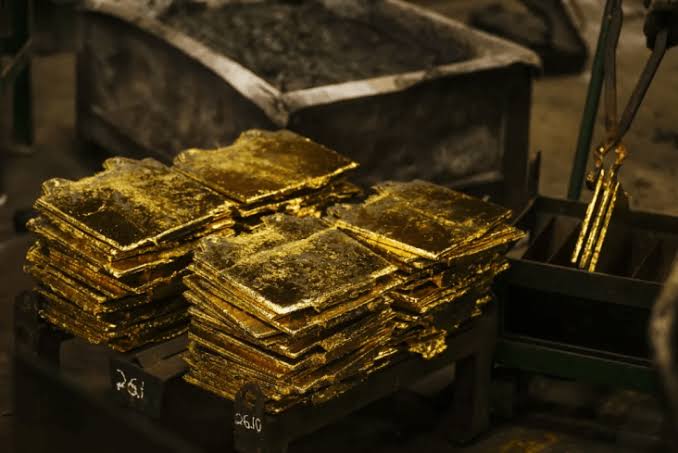
Gold Price in Nairobi Today
As Kenya’s capital and economic hub, Nairobi generally follows the same pricing as the rest of the country, though buyers should expect prices slightly above the national average due to transportation costs, dealer premiums, and the convenience of a metropolitan market.
Whether you’re buying gold bars or jewellery in Nairobi, expect pricing within the ranges above, adjusted for your specific dealer’s premium.
24K vs 22K vs 18K: What the Purity Difference Actually Means
Gold purity is measured in karats (K) or as a percentage, and it’s the single biggest factor in what you’ll pay:
- 24K gold (99.9% pure) is the purest form available and the standard for investment-grade bars, coins, and bullion. It’s soft and scratches easily, which is why it’s rarely used in everyday jewellery, but it’s the preferred choice for serious gold investment because of its purity and liquidity.
- 22K gold (91.6% pure) mixes in small amounts of copper or silver for added durability, making it the standard choice for jewellery across Kenya, the wider Middle East, and India — a good balance between purity and everyday wearability.
- 18K gold (75% pure) trades some purity for significantly better durability and a lower price point, making it a popular, more affordable choice for rings, bracelets, and watches that see daily wear.
- 999.9 fine (“four nines”) gold is simply another way of describing 24K purity at its most refined — the standard quoted on certified investment bars.
For investment, 24K is generally the strongest choice given its liquidity and universal acceptance. For jewellery, 22K strikes the best balance in the Kenyan market specifically. If budget is the deciding factor, 18K remains meaningfully durable while costing less per piece.
Is Kenyan Gold Authentic, and How Do You Verify Purity?
Authenticity starts with proper certification. Genuine gold should come with a purity certificate from an accredited laboratory or the Kenya Bureau of Standards (KEBS), with 24K, 22K, or 999.9 purity marks stamped clearly on bars, coins, or nuggets.
Verification methods include X-ray fluorescence (XRF) testing, fire assay, and professional evaluation by a licensed dealer — our full buying genuine gold guide covers exactly what to check before you pay.
Always buy from a licensed supplier who can provide full documentation, including assay certificates, export permits, and certificates of origin — a seller who can’t produce these on request isn’t one to transact with, regardless of the price quoted.
Legal Requirements for Buying and Exporting Gold from Kenya
Kenya’s gold trade is governed primarily by the Trading in Unwrought Precious Metals Act (Cap 309), alongside the more recent Precious Metals and Gemstones (Prevention of Illicit Trade) Act, 2015, which together set out licensing, record-keeping, and traceability requirements for anyone dealing in gold.
Licensing. A Mineral Dealer’s Licence, issued by the Ministry of Mining, is required for anyone buying, selling, or dealing in gold — applicants need a valid KRA PIN, business registration, and proof of business premises. A separate Export Permit is required for each individual consignment leaving the country.
Export documentation. Legitimate exports require an Export Declaration Form (EDF) filed through the Kenya Revenue Authority portal, a Certificate of Origin, an Assay Certificate confirming purity, a commercial invoice and packing list, and an insurance certificate covering the gold in transit.
Taxes, royalties, and levies. Gold dealers pay a royalty typically cited in the 5–6% range on the gross value of gold sold, following a recent upward revision — always confirm the current rate with the Ministry of Mining, since this figure has moved more than once in recent years.
On export specifically, an export levy of 20% of the consignment’s value applies under the Miscellaneous Fees and Levies Act, 2016, payable before customs clearance.
Raw, unwrought gold is generally VAT-exempt, while processed gold may attract standard VAT depending on the transaction. Corporate income tax on trading profits sits at the standard 30% rate.
AML and KYC compliance. Anti-money laundering rules require identity verification for both buyer and seller, alongside full traceability records confirming gold isn’t linked to illegal mining or trade — this isn’t bureaucratic overhead, it’s what keeps a transaction legally defensible.
Our dedicated gold export regulations in Kenya guide covers this framework step by step, and our FAQs about buying gold in Africa address the questions we’re asked most often.
Key Gold Mining Regions in Kenya
Kenya’s growing gold production is concentrated in a handful of key regions. Migori County, home to the long-running Macalder Mines, has produced significant gold volumes for decades, largely through artisanal small-scale mining. Kakamega and Vihiga counties in western Kenya have seen rapid growth in artisanal gold production in recent years.
The Trans Mara district hosts the Kilimapesa Gold Mine, one of the country’s larger active operations. Narok County rounds out the picture with a smaller but steady artisanal mining presence.
Together, these regions have made Kenya one of East Africa’s most significant gold producers, and their combined output is a direct driver of the pricing you see quoted nationally.
How to Safely Pay for Gold and Avoid Fraud
Secure payment is as important as verifying purity. Stick to bank wire transfers to a verified business account, or escrow arrangements that release funds only once the gold is delivered and independently verified.
Avoid cash transactions and unverified online platforms entirely — these are where the overwhelming majority of gold fraud in Kenya actually happens. Before paying anything, confirm the dealer’s licensing directly, check references, and request proof of ownership.
Delivery, Storage, and Insurance After Purchase
For international buyers, secure logistics matter as much as the purchase itself. Reputable dealers arrange fully insured shipping through carriers experienced in precious-metals transport, with tracking available throughout transit and full customs and export documentation handled on your behalf.
After purchase, storage options range from bank vaults and private safe deposit boxes to professionally managed bullion storage — whichever you choose, make sure your insurance policy specifically names the gold by weight and covers both domestic and international transit, and keep every certificate and receipt on file to maintain full traceability.
Buying Bars vs. Coins vs. Nuggets vs. Jewellery
Your investment goals should drive the format you choose. Gold bars suit large-scale investors after low premiums and high liquidity. Gold coins work well for collectors or smaller investments, offering easier resale.
Gold nuggets and raw gold appeal to refiners and buyers who want gold as close to its natural state as possible. Jewellery carries the highest premium of the four, reflecting craftsmanship on top of the metal’s value — a reasonable trade-off if the aesthetic matters to you, but not the most capital-efficient way to hold gold as a pure investment.
We also supply silver bullion bars and silver bullion coins for investors looking to diversify — see our gold vs. silver comparison if you’re weighing the two.
How Kenya Compares to Other African Gold Markets
Kenya’s gold market is genuinely competitive, with 24K bars, nuggets, and coins meeting international purity standards and commonly certified by KEBS or accredited labs.
Pricing tends to run more affordably than imported gold once you account for the shipping and tax costs baked into gold sourced further afield, while offering the certified purity and ethical sourcing that international buyers increasingly expect.
Our gold producing countries in Africa guide puts Kenya’s market in context against the continent’s other major producers.
FAQs – Gold Price in Kenya
What is the current gold price in Kenya per gram? Roughly KES 16,820 (~$130) for 24K gold as of 2026, though this moves with international spot pricing throughout the trading day — check our 1 oz 24K gold price page for the current figure.
Is Kenyan gold safe to buy as an international investor? Yes, provided you buy from a dealer licensed under the Trading in Unwrought Precious Metals Act, insist on assay certification and a certificate of origin, and use traceable payment methods. Unlicensed street-level sellers carry real fraud risk regardless of how convincing the offer sounds.
How much does it cost to export gold from Kenya? Beyond the underlying royalty (typically 5–6% of gross value), a 20% export levy applies to the consignment’s value under the Miscellaneous Fees and Levies Act — payable before customs clearance. Our gold export regulations in Kenya guide breaks this down in full.
What documents should I receive when buying gold in Kenya? An export permit, assay certificate, certificate of origin, commercial invoice, and insurance certificate, at minimum, for any export-bound purchase. If a seller can’t produce all of these, that’s a reason to walk away, not negotiate.
Should I buy gold bars or gold jewellery as an investment? Bars almost always carry a lower premium per gram than jewellery, since jewellery pricing includes craftsmanship costs on top of the metal itself. For pure investment purposes, bars or raw gold are the more capital-efficient choice.
Buy Certified Kenyan Gold the Right Way
Kenya’s gold market offers genuinely competitive pricing and certified purity — but only when the purchase goes through a properly licensed dealer with full documentation, from assay certificate through to export permit.
Africa Gold Suppliers Limited supplies certified 24K, 22K, and 18K gold in bar, nugget, and raw form, with independent assay certification, export documentation, and insured logistics handled on every order — whether you’re buying a single 1 gram gold bar or sourcing at scale. Contact our team today for current pricing and to discuss the weight and purity you need.
Related Pages
Gold products
Coins & silver
Pricing
Kenya-specific & compliance
- Gold Export Regulations in Kenya
- Buy Gold in Nairobi
- Buying Genuine Gold
- FAQs About Buying Gold in Africa
- Gold Producing Countries in Africa
Company