Costco Gold Bar vs. African Gold Bar — The Full Comparison Every Investor Needs
Costco Gold Bar: Gold is up nearly 50% year-on-year with spot touching $3,550+ per ounce. Two very different ways to own it are now competing for your money: a Costco gold bar sold in a warehouse, and a certified African gold bar sourced direct from the continent that produces more than a quarter of the world’s supply. We’ve done the deep comparison so you don’t have to — and the numbers tell a clear story.
Why the Costco Gold Bar vs. African Gold Bar Debate Matters Right Now
In an era defined by economic uncertainty, soaring inflation, and escalating geopolitical tensions, physical gold remains the ultimate safe-haven asset. The gold spot price hovering around $3,550 per ounce — up nearly 50% from a year ago — has been driven by Federal Reserve rate-cut expectations, persistent global instability, and a surge in central bank buying that shows no sign of reversing.
Every investor asking where to buy gold bars in 2025 is now facing the same fork in the road: the comfortable familiarity of a Costco gold bar, or the superior value of a certified African gold bar sourced directly from the mine.
Since October 2023, Costco has been selling 1-ounce gold bars online and in select warehouses, racking up monthly sales estimated between $100 million and $200 million. The convenience is undeniable.
But convenience costs money — and for serious investors looking to buy gold bars at the lowest premium over spot, the alternative that Africa offers is no longer a niche secret. It is simply the smarter financial decision.
This guide is your definitive Costco gold bar vs. African gold bar comparison — covering specifications, pricing tables, premiums, certifications, resale value, risks, and the single most important question: where should you put your gold investment dollars in 2025?
OPTION ONE
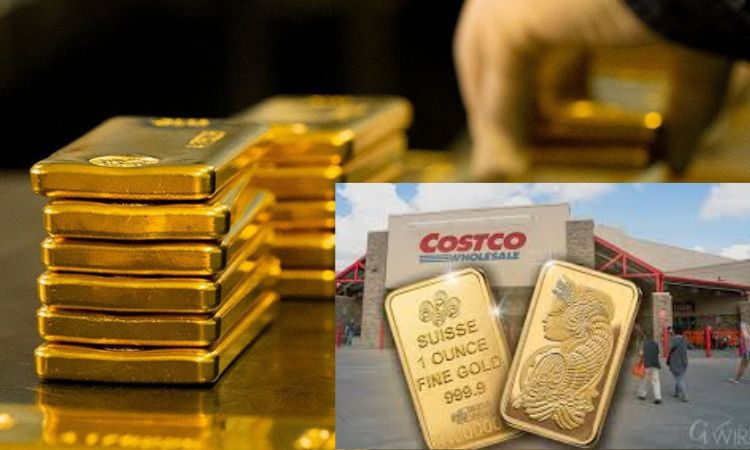
The Costco Gold Bar — What You’re Actually Buying
A Costco gold bar is a genuinely good product. Let’s say that clearly before we explain why it still isn’t the best option. The bars sold by Costco — initially PAMP Suisse Lady Fortuna Veriscan 1-ounce bars featuring the iconic Roman goddess design, later expanded to include Rand Refinery bars from South Africa — are 24-karat, 99.99% pure gold.
They come sealed in CertiPAMP protective packaging with an assay certificate and a QR code for digital verification. They are LBMA (London Bullion Market Association) accredited, which means they are globally recognised and accepted by dealers and exchanges worldwide.
The Costco gold bar price is built around a 2% markup over spot — one of the lowest premiums in the retail gold market. As of late September 2025, a 1-ounce bar listed at approximately $3,617, with free shipping included for members. There are no hidden fees beyond the Costco membership itself, which starts at $60 per year. Buying gold from Costco is as frictionless as adding laundry detergent to your cart.
Where Costco Gold Bars Fall Short for Serious Investors
The appeal for novice investors is real: low barrier to entry, trusted brand, and the psychological comfort of buying from a retailer you already know.
But the limitations compound quickly when you move beyond that first purchase. Costco restricts purchases to one transaction per membership, with a maximum of five units per day. Bars sell out within hours of restocking, turning every restock into a digital frenzy.
The product is unavailable in Nevada and Louisiana due to state regulations. There are no returns or refunds on precious metals. And the selection is narrow — primarily 1-oz and 50g sizes — which limits portfolio-building options for investors wanting to buy gold in different weights.
Resale is another friction point. While LBMA accreditation makes Costco gold bars globally recognisable, dealers typically buy back at 1–5% below spot, and finding a local buyer willing to pay a fair price for a retail-packaged bar is less straightforward than Costco’s buying experience suggests.
COSTCO GOLD BAR — HONEST VERDICT
A legitimate, LBMA-certified 24K gold bar at a fair premium. Ideal for first-time buyers who value convenience above all else. Not the right tool for anyone building a meaningful gold position, seeking the lowest cost per ounce of gold, or wanting flexibility in bar size, sourcing origin, or purchase volume.
OPTION TWO
African Gold Bars — Direct from the World’s Richest Gold Continent
Africa produces over 25% of the world’s gold, with powerhouses including South Africa, Ghana, Mali, Uganda, Tanzania, and the Democratic Republic of Congo leading global supply.
The continent’s refineries — Rand Refinery in South Africa, African Gold Refinery (AGR) in Uganda, and Royal Ghana Gold Refinery, among others — produce gold that matches or exceeds the standards of any bar sold in a Western retail environment. When you buy African gold bars online through a licensed supplier, you are accessing this supply chain at a fraction of the cost of retail.
Rand Refinery bars are a prime example: LBMA Good Delivery certified, featuring distinctive elephant motifs symbolising African heritage, stamped with unique serial numbers in black assay cards.
Gold bars from Uganda’s African Gold Refinery achieve 99.99% purity at the refined stage. Smaller certified bars from Ghana’s refineries carry SGS or PMMC third-party assay verification.
What all of these share is the same internationally recognised quality as the bar you’d find at Costco — and a price that is 5–10% lower per ounce once you remove the retail layer.
Direct-from-mine pricing is the core advantage of buying African gold bars from a licensed exporter. Weaker local currencies, lower extraction costs, and the elimination of wholesale and retail distribution chains keep premiums slim — typically 1.2–1.8% over the LBMA spot price.
For a 1-ounce equivalent, that translates to $3,040–$3,125, compared to Costco’s $3,617. For a 5-kilogram bulk purchase — the kind of order that Gold Bars For Sale Africa handles regularly — the savings run into the tens of thousands of dollars.
Ethical Sourcing and Responsible Mining Certification
A common misconception is that buying gold from Africa means sacrificing ethical standards. The opposite is increasingly true.
Licensed African gold exporters operating under OECD Due Diligence guidelines and the Kimberley Process provide blockchain-tracked provenance that traces every ounce from mine to export point.
Rand Refinery’s LBMA-conformant conflict-free gold standards are the same benchmarks demanded by Swiss vaults and London dealers.
When you purchase ethical African gold bars from a verified supplier, you are buying into a supply chain that actively supports artisanal mining communities, pays government royalties, and operates under the same international transparency frameworks as any Western mint.
The size range available through African suppliers is also considerably wider than Costco’s offering. From 10g minted bars celebrating African cultural motifs to 1-kilogram gold bullion bars for institutional buyers, African gold bars are available in every weight that a retail investor, jewellery manufacturer, or commodity fund would require.
THE NUMBERS
Gold Bar Price Comparison Tables — Costco vs. Africa, 2026
The most important table any gold bar investor needs to see is a straightforward price comparison per weight, adjusted for premium over spot.
Below we set out live indicative pricing for both Costco gold bars and African gold bars from licensed exporters as of the current gold spot price range of $3,500–$3,600 per troy ounce. Spot is variable; these figures are benchmarked against a mid-point of $3,550/oz for illustration.
📊 Table 1 — Price Per Weight: Costco vs. African Gold Bars
| WEIGHT | COSTCO PRICE (USD) | COSTCO PREMIUM | AFRICAN SUPPLIER PRICE (USD) | AFRICAN PREMIUM | SAVING WITH AFRICA |
| 1 gram | $116–$120 | ~2.5–4% | $107–$110 | 1.2–1.8% | $8–$12 / gram |
| 5 grams | $580–$600 | ~2.5% | $535–$550 | 1.2–1.8% | $45–$65 |
| 10 grams | $1,160–$1,200 | ~2.5% | $1,070–$1,100 | 1.2–1.8% | $90–$130 |
| 1 oz (31.1g) | $3,617 | ~2.0% | $3,040–$3,125 | 1.2–1.8% | $492–$577 |
| 50 grams | $5,850–$6,000 | ~2.0–2.5% | $5,350–$5,500 | 1.2–1.8% | $500–$650 |
| 100 grams | $11,700–$12,000 | ~2.5% | $10,700–$11,000 | 1.2–1.8% | $1,000–$1,300 |
| 500 grams | N/A — not offered | — | $53,500–$55,000 | 1.2–1.8% | Only Africa offers this |
| 1 kilogram | N/A — not offered | — | $107,000–$109,000 | 1.2–1.8% | Only Africa offers this |
| All prices are indicative, based on a spot price benchmark of ~$3,550/oz (LBMA mid-price). African supplier prices reflect direct mine-sourced premiums of 1.2–1.8% plus applicable DRC/Uganda/Ghana export duties of 3–5%. Contact Gold Bars For Sale Africa for today’s live LBMA-referenced quote. | |||||
$10,000+
SAVED ON A 10 KG AFRICAN GOLD PURCHASE VS. EQUIVALENT COSTCO PRICE
A buyer purchasing 10 kilograms of 24K African gold bars at mine-direct pricing saves over $10,000 compared to the nearest equivalent retail price — and Costco doesn’t even offer bars above 100g. That saving represents real, compounding wealth.
📊 Table 2 — Gold Bar Premium Breakdown by Supplier Type
| SUPPLIER TYPE | TYPICAL PREMIUM OVER SPOT | PURITY | MIN. ORDER | MAX. ORDER | CERTIFICATION |
| Costco (PAMP / Rand Refinery) RETAIL | 2.0–2.5% | 99.99% | 1 oz | 5 units/day | LBMA, CertiPAMP |
| African Mine-Direct Supplier BEST VALUE | 1.2–1.8% | 99.99% | 1g | 1,000 kg+ | LBMA / SGS / PMMC |
| Rand Refinery (South Africa) | 1.5–2.0% | 99.99% | 1g | Unlimited | LBMA Good Delivery |
| African Gold Refinery (Uganda) | 1.2–1.6% | 99.99% | 1g | Unlimited | AGR Certified |
| US Coin / Bullion Dealer | 3.0–6.0% | 99.99% | 1 oz | Varies | LBMA, NGC |
| Swiss Mint / PAMP (Direct) | 4.0–8.0% | 99.99% | 1g | Unlimited | LBMA, Assay card |
| African mine-direct pricing consistently delivers the lowest premium of any legitimate gold purchase channel globally. Source: LBMA, supplier pricing guides, and Africa Gold Suppliers live quotes. | |||||
📊 Table 3 — Regional Gold Price Comparison: What 1kg of 24K Gold Costs (July–Oct 2025)
| SOURCE COUNTRY | PRICE PER GRAM (USD) | PRICE PER KG (USD) | PREMIUM VS. LBMA | CURRENCY |
| Uganda CHEAPEST | $106–$107 | $106,000–$107,000 | ~1.2% | USD / UGX |
| Congo (DRC) — Kinshasa | $107–$108 | $107,000–$108,000 | ~1.3% | USD / CDF |
| Ghana (Accra) | $108–$110 | $108,000–$110,000 | ~1.5% | USD / GHS |
| South Africa (Rand Refinery) | $109–$111 | $109,000–$111,000 | ~1.8% | USD / ZAR |
| Tanzania | $108–$110 | $108,000–$110,000 | ~1.5% | USD / TZS |
| Costco (USA retail) MOST EXPENSIVE | ~$116 | ~$116,000 | ~2.0–2.5% | USD |
| Dubai (DMCC) | $113–$115 | $113,000–$115,000 | ~2.0% | USD / AED |
| Prices are indicative benchmarks for 24K (99.99%) refined gold as of Q3–Q4 2025. Final transaction prices depend on volume, export duties (3–5% DRC/Uganda/Ghana), assay fees, and shipping. Get a live quote → | ||||
DIRECT COMPARISON
Head-to-Head: Every Specification That Matters to a Gold Investor
Beyond price, there are a dozen factors a serious investor should weigh before deciding where to buy physical gold bars. Here is the complete specification breakdown — the only Costco gold bar vs. African gold bar comparison table you need.
| CRITERION | 🏬 COSTCO GOLD BAR | 🌍 AFRICAN GOLD BAR |
| PURITY | 99.99% (24K) | 99.99% (24K) |
| COMMON SIZES | 1 oz, 50g, 100g only | 1g, 5g, 10g, 50g, 100g, 500g, 1kg+ |
| PRICE (1 OZ, SEPT 2025) | ~$3,617 (+2% spot) | $3,040–$3,125 (+1.2–1.8%) |
| CERTIFICATIONS | LBMA, assay card, QR code | LBMA / SGS / PMMC, blockchain provenance |
| PACKAGING | CertiPAMP sealed, tamper-evident | Assay card, tamper-resistant, sealed |
| MEMBERSHIP REQUIRED | Yes ($60/year minimum) | No membership required |
| PURCHASE LIMIT | Max 5 units/day; 1 transaction/membership | No limit — 1g to 1,000kg+ |
| AVAILABILITY | Sells out in hours; US-only shipping | Consistent supply; worldwide delivery |
| RETURNS / REFUNDS | No returns or refunds on gold | Full refund if purity fails third-party assay |
| RESALE EASE | Local dealers: spot −1–5% | Global markets: spot −1% |
| SHIPPING | Free (US members only) | $50–$100 insured worldwide |
| ETHICAL SOURCING | LBMA conflict-free | OECD guidelines, Kimberley Process, blockchain traceability |
| BULK DISCOUNT (5KG+) | Not available | 1–5% additional discount on 5kg+ orders |
| ORIGIN NARRATIVE | Swiss / South African refinery | Mine-direct Uganda, Ghana, South Africa, DRC, Tanzania |
| INVESTMENT SCALABILITY | Very limited — retail product | Fully scalable — institutional to individual |
| Overall Verdict: African gold bars win on price, variety, scalability, resale value, and ethical provenance. Costco wins on domestic convenience for US-based first-time buyers. | ||
BALANCED VIEW
Pros and Cons: The Honest Assessment Both Options Deserve
No investment product is perfect for every buyer. Here is the unvarnished pros and cons of buying a Costco gold bar versus buying gold bars from Africa — so you can make the right call for your specific situation.
COSTCO GOLD BAR — PROS
- Ultra-low friction:If you have a Costco membership, buying gold feels as easy as any other online purchase.
- Trusted brand:Costco’s reputation reduces concerns about counterfeit gold for first-time buyers.
- Free US shipping:No logistics cost for domestic buyers, unlike most bullion dealers.
- LBMA certified:Globally recognised purity accreditation — identical to the gold held in Swiss vaults.
- Competitive retail premium:At 2% over spot, Costco beats most coin dealers and high-street jewellers.
COSTCO GOLD BAR — CONS
- Limited sizes:Only 1 oz and limited 50g/100g — no path to kilogram or institutional-grade bar purchases.
- Purchase restrictions:Maximum 5 units per day, one transaction per membership — not a scalable investment tool.
- Constant sell-outs:Bars disappear within hours of restocking; building a consistent position is difficult.
- No refund policy:Precious metals are final sale — buyers have no recourse if they change their mind.
- US-only delivery:International investors cannot access Costco’s gold at all.
- Higher per-ounce cost:At $3,617 vs. $3,040–$3,125, you pay $492–$577 more per ounce than mine-direct African pricing.
AFRICAN GOLD BARS — PROS
- Lowest legitimate premium:2–1.8% over LBMA spot — the best gold bar price per gramavailable outside direct refinery contracts.
- Full weight range:From 1g to 1kg+ — accommodates every investment size from personal to institutional.
- No purchase limits:Buy as much or as little as your strategy requires, on your timeline.
- Worldwide delivery:Insured Brinks or DHL shipments reach the USA, UK, UAE, India, Singapore, and beyond.
- Bulk discounts:5kg+ orders attract an additional 1–5% discount — a lever Costco simply does not offer.
- Better resale globally:African provenance (especially LBMA Good Delivery) fetches spot −1% in emerging markets — tighter spread than domestic US dealers.
- Full refund assurance:Purity-fail refund guarantees from reputable suppliers like Gold Bars For Sale Africa.
AFRICAN GOLD BARS — CONS
- Scam risk with unverified sellers:The market has fraudulent operators. Buyers must use only licensed exporters with Ministry of Mines verification and escrow-protected payment.
- Shipping cost:$50–$100 for small orders negates part of the price advantage at very low quantities (under 5g).
- Import duties:US buyers face potential capital gains tax and up to 6% import duties — buyers should verify obligations in their jurisdiction.
- Export taxes:DRC, Uganda, and Ghana impose 3–5% export royalties — these are factored into supplier pricing but add to effective cost.
- Due diligence required:Buyers must verify licences, request assay certificates, and use escrow — a process that requires more effort than clicking “Add to Cart” at Costco.
SMART INVESTING
Risk Management and Gold Investment Strategy — What Every Buyer Should Know in 2026
Whether you choose a Costco gold bar or a mine-direct African gold bar, physical gold investment comes with risks and costs that go beyond the purchase price. Understanding these is part of investing in gold bars intelligently.
Price Volatility and Portfolio Allocation
Gold prices can swing 10% or more in a single week, driven by Federal Reserve decisions, dollar strength, geopolitical events, and commodity market flows.
This is not an argument against owning gold — it is an argument for owning it as part of a diversified portfolio rather than as a concentrated bet.
Most financial advisors recommend allocating 5–10% of a portfolio to gold as a hedge against inflation, currency devaluation, and stock market volatility.
At today’s prices, a 5% allocation for a $500,000 portfolio means approximately $25,000 in gold — equivalent to roughly 7 ounces at Costco, or 8–8.5 ounces at African mine-direct pricing. That difference compounds meaningfully over time.
Storage, Insurance, and Hidden Costs of Gold Ownership
Physical gold bar storage costs are often underestimated. Home safes meeting insurance requirements run $500–$2,000 to install, plus annual insurance premiums of $100–$200.
Bank safe deposit boxes add $50–$200 per year. Professional vault storage in Switzerland, Singapore, or the UAE — the preferred option for high-net-worth buyers — typically costs 0.1–0.5% of the gold’s value annually.
These costs apply equally to Costco gold bars and African gold bars, so the price advantage of African sourcing is fully preserved in the storage equation.
Tax Implications When Buying Gold Bars
In the United States, physical gold is classified as a collectible for capital gains tax purposes, subject to a maximum long-term rate of 28% — higher than the standard 20% rate on equities.
This applies to all physical gold regardless of source. US buyers purchasing African gold bars for import may also face import duties of up to 6% depending on the country of origin and the applicable trade treaty.
UK buyers benefit from VAT exemption on investment gold bars. UAE and Singapore buyers face no capital gains tax. Wherever you are buying, verify your jurisdiction’s tax treatment of physical gold bar investments before committing.
PORTFOLIO ALLOCATION
Experts recommend 5–10% in gold as an inflation hedge and crisis buffer. At mine-direct pricing, you get more ounces for the same allocation budget.
SAFE STORAGE
Budget $100–$200/year for home safe insurance, or 0.1–0.5% annually for professional vault storage in Switzerland, Singapore, or Dubai.
TAX PLANNING
US gold is taxed as a collectible at up to 28% capital gains. UK investment gold is VAT-exempt. Singapore and UAE charge no capital gains tax on gold.
How to Avoid Scams When Buying Gold from African Suppliers
The U.S. State Department and financial regulators regularly warn of fraud in African gold transactions — fake Safe Keeping Receipts (SKRs), vanishing shipments, and misrepresented purity are the most common forms.
The solution is not to avoid African gold — it is to buy only through verifiable, licensed channels. When you buy African gold bars through Gold Bars For Sale Africa, every transaction includes Ministry of Mines licence verification, SGS-certified assay testing, escrow-protected payment (30% upfront, 70% post-assay), and a full refund guarantee if purity fails arrival testing. These are not optional extras — they are standard operating procedure for every order.
YOUR GOLD PARTNER
Why Gold Bars For Sale Africa Is the Smarter Alternative to Costco’s Gold Bars
After weighing every specification, price point, and risk factor, the conclusion is clear: African gold bars deliver equal purity at lower cost, greater flexibility, and broader global accessibility than anything Costco offers. And Gold Bars For Sale Africa is the licensed, mine-direct supplier that makes that advantage tangible for buyers worldwide.
We source 99.99% pure 24K gold bars and 22K gold bars directly from verified mines and LBMA-accredited refineries across Uganda, Ghana, South Africa, the Democratic Republic of Congo, Tanzania, and Mali. Our prices are built at 1–3% above the LBMA spot price — not the 2.5–8% premiums charged by retail and Western mint channels.
Every bar comes with an independent assay certificate, a Certificate of Origin, full export documentation, and insured worldwide delivery via Brinks or DHL in 3–8 days.
- Licensed and Regulated:Operating under valid mineral dealer licences in Uganda and Ghana, in full compliance with the Mining and Minerals Act 2022, OECD Due Diligence standards, and international AML/FATF requirements.
- Mine-Direct Pricing:We eliminate wholesale, import, and retail distribution layers — passing savings of 10–15% directly to you versus global retail market premiums.
- Full Weight Range:From 1-gram African gold bars to 1-kilogram bullion and institutional 100kg orders — your investment size is never a limitation.
- Certified 99.99% Purity:Every bar independently assayed at accredited laboratories. You receive the purity certificate before final payment is released.
- Worldwide Insured Delivery:Brinks and DHL precious metals shipments to the USA, UK, UAE, Switzerland, India, Hong Kong, Singapore, and beyond — with real-time GPS tracking and full declared-value insurance.
- Complete Export Documentation:Export Permit, Certificate of Origin, Assay Certificate, Commercial Invoice, AML/KYC compliance, and destination customs preparation — all handled by us.
- 24/7 Expert Support:Live LBMA-referenced price quotes at any time via WhatsApp (+256 707 585144) and email. Real gold experts, not a call centre script.
- Satisfaction Guarantee:Full refund if gold fails purity assay on arrival. We stand behind every shipment — something Costco’s no-refund policy cannot match.
Don’t settle for a warehouse impulse buy at a 2% premium when the world’s richest gold continent offers you 99.99% purity at 1.2–1.8% over spot, delivered to your door with full documentation and a satisfaction guarantee.
GOLD BARS FOR SALE AFRICA — OUR INVESTMENT PROMISE
MAKE THE SMARTER GOLD INVESTMENT
Buy African Gold Bars Today — Outperform Costco on Every Metric That Matters
Gold is up 50% year-on-year. The opportunity is real, the timing is urgent, and the choice is yours. A Costco gold bar will get you into the market — but a certified African gold bar from Gold Bars For Sale Africa will get you in at a better price, in any size, without purchase limits, with worldwide delivery, and with a refund guarantee that Costco cannot offer.
Whether you want to buy a 1-gram African gold bar to start small, a 100-gram gold bullion bar from Uganda or Ghana as a core portfolio position, or negotiate a multi-kilogram gold supply agreement as an institutional buyer — we are ready. Contact us for a live LBMA-referenced quote within 24 hours. No obligation. Just the best gold Africa produces, at the fairest price on the market.
GET YOUR FREE GOLD QUOTE → BROWSE AFRICAN GOLD BARS WWW.GOLDBARSFORSALEAFRICA.COM · WHATSAPP: +256 707 585144