11 Stages of timber processing: All you need to know
Stages of timber processing: Timber processing transforms raw logs into usable wood products through a series of stages, each requiring specific techniques, equipment, and expertise. This process is critical to industries like construction, furniture manufacturing, and paper production.
Below is a detailed exploration of the stages of timber processing, structured to provide a comprehensive yet concise overview.
Stages of timber processing;
1. Harvesting
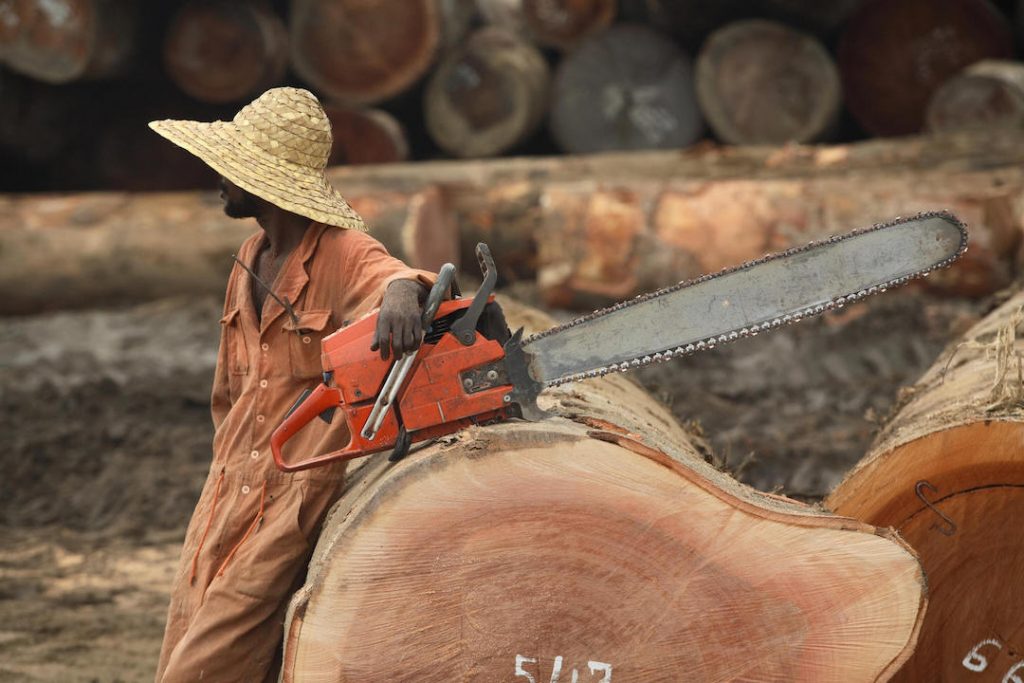
The timber processing journey begins with harvesting, the felling of trees in forests or plantations. This stage involves careful planning to ensure sustainability, minimize environmental impact, and comply with regulations. Foresters select trees based on species, size, and maturity, often using tools like chainsaws or mechanized harvesters.
- Planning and Selection: Foresters assess forest health, biodiversity, and ecological balance to decide which trees to harvest. Sustainable practices, such as selective cutting, ensure forests regenerate.
- Felling: Trees are cut using chainsaws or feller-bunchers, which can fell, gather, and cut trees into logs in one operation. Precision is key to avoid damaging surrounding trees.
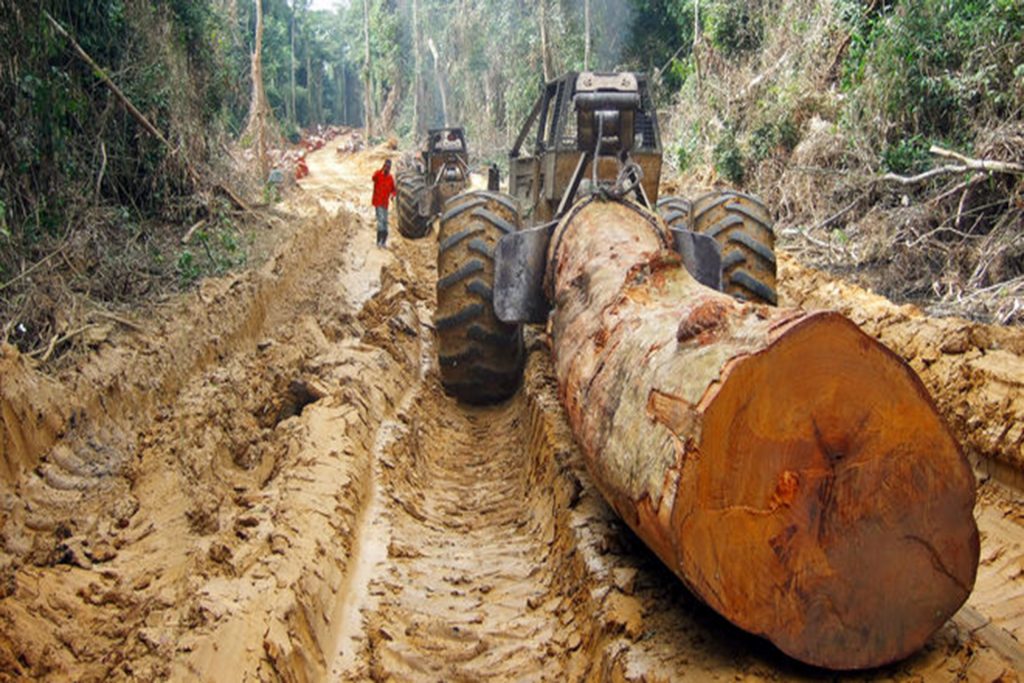
- Skidding and Extraction: Logs are dragged or carried to a landing site using skidders, forwarders, or cable systems. This step requires careful navigation to minimize soil disturbance.
Harvesting sets the foundation for timber quality, as improper techniques can damage logs or reduce their value.
2. Log Transportation
Once harvested, logs are transported from the forest to a processing facility, such as a sawmill. This stage involves logistical planning to ensure efficiency and cost-effectiveness.
- Loading: Logs are loaded onto trucks, trailers, or, in some cases, transported via waterways or railways. Equipment like knuckleboom loaders is commonly used.
- Transport: Heavy-duty trucks designed for timber haulage move logs to mills. In remote areas, helicopters or barges may be used. Road conditions, distance, and load weight influence transport methods.
- Storage at Mill: Upon arrival, logs are sorted by species, size, and intended use, then stored in log yards. Proper storage prevents deterioration from moisture or pests.
Efficient transportation minimizes delays and maintains log quality, as prolonged exposure to elements can degrade timber.
3. Debarking
Debarking removes the bark from logs, a critical step to prepare them for further processing. Bark contains dirt, grit, and microorganisms that can dull saw blades or contaminate wood products.
- Debarking Methods: Common methods include mechanical debarkers (drum, ring, or rosary debarkers) that strip bark using rotating blades or friction. Water-based debarkers may also be used for certain species.
- Purpose: Debarking improves the efficiency of subsequent sawing, reduces equipment wear, and ensures cleaner wood surfaces for products like lumber or veneer.
- By-products: Bark is collected and used for mulch, fuel, or other biomass applications, contributing to zero-waste goals.
This stage ensures logs are clean and ready for precise cutting.
4. Primary Processing (Sawing)
Primary processing converts logs into rough lumber or other basic wood products. This stage is typically performed at sawmills and involves cutting logs into manageable sizes.
- Head Sawing: Logs are fed into a head saw (band saw, circular saw, or gang saw) to produce slabs, planks, or beams. The choice of saw depends on log size and desired output.
- Resawing: Large pieces are further cut into smaller dimensions using resaws. This step maximizes yield from each log.
- Edging and Trimming: Edges are straightened, and ends are trimmed to remove defects or irregular shapes, producing uniform boards.
Primary processing focuses on efficiency and yield, as the way logs are cut affects the quantity and quality of lumber produced.
5. Seasoning (Drying)
Seasoning reduces the moisture content of wood to improve its strength, stability, and suitability for end-use. Green (freshly cut) timber contains high moisture, making it prone to warping or fungal growth.
- Air Drying: Boards are stacked in open yards with spacers to allow air circulation. This method is cost-effective but slow, taking months depending on climate and species.
- Kiln Drying: Timber is placed in kilns where temperature, humidity, and airflow are controlled. Kiln drying is faster (days to weeks) and produces consistent results but is energy-intensive.
- Moisture Content Targets: The desired moisture content (typically 6-12%) depends on the wood’s intended use, such as furniture or construction.
Proper seasoning prevents defects like cracking or shrinking during later use.
6. Secondary Processing
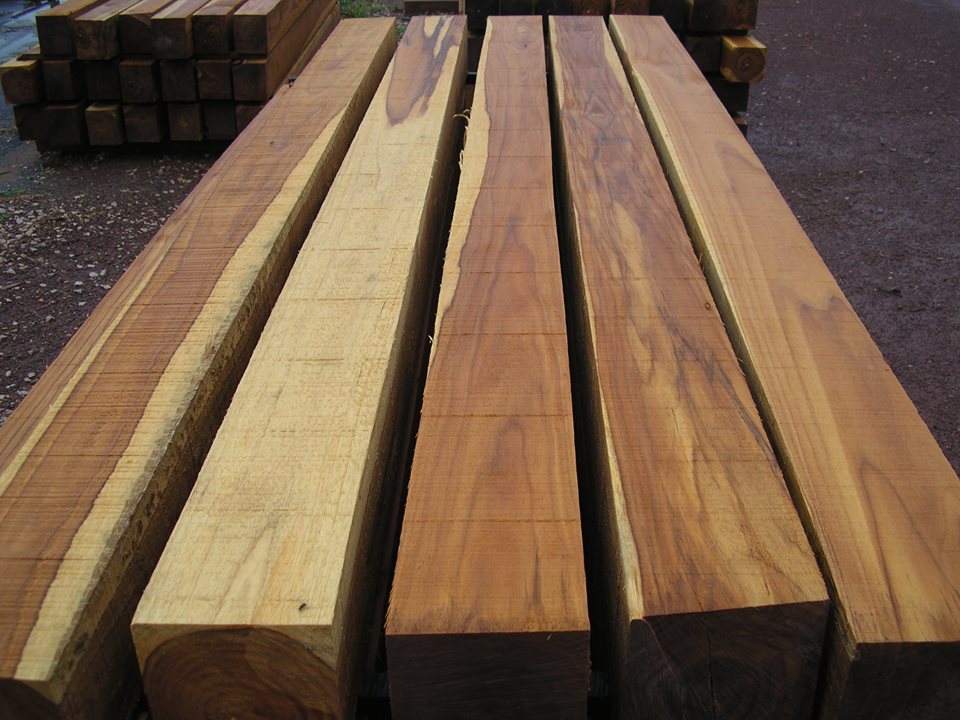
Secondary processing refines rough lumber into finished or semi-finished products tailored to specific applications. This stage includes planing, grading, and cutting to precise dimensions.
- Planing: Rough lumber is passed through planers to smooth surfaces and achieve uniform thickness. This enhances appearance and prepares wood for finishing.
- Grading: Lumber is inspected and graded based on strength, appearance, and defects (knots, splits). Grades like Select, Common, or Structural determine market value and use.
- Cutting to Size: Lumber is cut into specific lengths or shapes for products like furniture components, flooring, or framing timber.
Secondary processing adds value by producing market-ready products with precise specifications.
7. Treatment (Preservation)
To enhance durability, especially for outdoor or high-moisture applications, timber undergoes preservation treatments to protect against decay, insects, and weathering.
- Chemical Treatments: Preservatives like creosote, copper-based compounds, or borates are applied using pressure treatment (forcing chemicals into the wood) or surface coatings.
- Heat Treatment: Wood is heated to kill pests and improve dimensional stability, often for compliance with international shipping standards (e.g., ISPM 15).
- Applications: Treated timber is used for decking, utility poles, or railway sleepers, where exposure to moisture or insects is a concern.
This stage extends the lifespan of wood products in harsh environments.
8. Manufacturing of Wood Products
Processed timber is transformed into final products or components, depending on industry needs. This stage varies widely based on the product.
- Lumber Products: Boards are used directly in construction (e.g., framing, roofing) or cut into smaller components for furniture or cabinetry.
- Engineered Wood: Timber is processed into products like plywood, laminated veneer lumber (LVL), or particleboard. These involve gluing layers or particles of wood to create strong, uniform materials.
- Pulp and Paper: Low-grade timber or by-products like sawdust are chipped and processed into pulp for paper, cardboard, or cellulose-based products.
Manufacturing tailors timber to specific functional and aesthetic requirements.
9. Quality Control and Testing
Throughout processing, quality control ensures timber meets industry standards. This includes:
- Visual Inspection: Checking for defects like knots, cracks, or warping.
- Mechanical Testing: Assessing strength, flexibility, and load-bearing capacity for structural timber.
- Moisture Testing: Using meters to verify moisture content aligns with intended use.
Quality control ensures reliability and safety in end products.
10. Distribution and Sales
Finished timber products are distributed to wholesalers, retailers, or manufacturers. This stage involves:
- Packaging: Lumber is bundled, wrapped, or palletized for transport. Engineered products may be packaged to protect surfaces.
- Logistics: Products are shipped to domestic or international markets, with documentation ensuring compliance with trade regulations.
- Market Segmentation: Timber is sold to construction firms, furniture makers, or specialty industries based on grade and treatment.
Efficient distribution ensures products reach end-users in optimal condition.
11. By-Product Utilization and Waste Management
Timber processing generates by-products like sawdust, bark, and offcuts, which are repurposed to minimize waste.
- Sawdust and Chips: Used for particleboard, animal bedding, or biomass energy.
- Bark: Processed into mulch or fuel for industrial boilers.
- Recycling: Defective wood is repurposed for lower-grade products or energy production.
Sustainable waste management reduces environmental impact and adds economic value.
Conclusion
Timber processing is a multi-stage journey from forest to finished product, balancing efficiency, quality, and sustainability.
Each stage—harvesting, transportation, debarking, sawing, seasoning, secondary processing, treatment, manufacturing, quality control, distribution, and by-product utilization—plays a critical role in delivering versatile wood products.
Advances in technology, such as automated sawmills and eco-friendly preservatives, continue to improve efficiency and reduce environmental impact.
By understanding these stages, stakeholders can optimize processes, minimize waste, and meet the growing demand for timber in a resource-conscious world.