Where Gold Is Found in Uganda and DRC 2026: Buy Gold in Africa
Where gold is found in Uganda and D.R.C: Gold has been one of the most sought-after commodities in human history — treasured for its beauty, rarity, and extraordinary ability to preserve wealth across generations.
In 2026, with gold trading at an all-time record of $5,602.22 per troy ounce on January 28, 2026 and currently sustaining near $4,720–$4,739 per troy ounce (~$151.55/gram for 24K), understanding where gold is found in Uganda and the Democratic Republic of Congo has never been more financially significant for investors, traders, and buyers worldwide.
Uganda and the DRC are two of Africa’s most geologically gifted gold-producing nations — together accounting for tens of tonnes of annual production from some of the continent’s most productive alluvial riverbeds, ancient greenstone belts, and hard-rock underground formations.
Whether you want to buy gold in Uganda directly from artisanal mining regions like Karamoja and Busia, or source certified gold from Congo DRC through formal Kibali-corridor channels, knowing where the gold comes from — its geology, its mining method, its natural purity, and its compliance profile — is the foundation of every safe and profitable African gold investment.
At Africa Gold Suppliers Limited, we specialize in connecting international investors, traders, jewellers, and institutions with verified, certified gold sourced directly from Uganda’s and Congo’s most productive and legally compliant mining regions.
This comprehensive 2026 guide tells you everything you need to know about where gold is found in Uganda and DRC, what types are available, current gold prices, and how to buy it safely and profitably.
Where Gold Is Found in Uganda: The Complete Mining Region Guide
Gold in Uganda is found across a diverse geological landscape spanning Eastern, Northern, Western, and Central Uganda — with deposits ranging from rich alluvial riverbeds where artisanal miners have worked for generations to hard-rock formations requiring industrial extraction.
Uganda’s gold exports surged from $201 million in 2022 to $3.4 billion in 2023 — the fastest export growth of any African gold market in that period — reflecting both rising prices and Uganda’s growing role as a regional gold aggregation hub.
1. Busia District — Uganda’s Alluvial Gold Capital
Busia District in Eastern Uganda is the country’s most active alluvial gold mining area and one of East Africa’s most significant artisanal gold trading hubs.
Gold is primarily extracted from riverbeds and artisanal mining sites along the Malaba and Sio river systems, where centuries of geological activity have concentrated alluvial gold particles in sedimentary deposits accessible to small-scale miners.
Why Busia is Uganda’s most important gold trading location: Busia’s position on the Uganda-Kenya border means it functions not just as a production zone but as a cross-border aggregation market, with artisanal miners from both countries bringing material to licensed buyers.
The Busia Gold Trading Centre, operating under BGMA (Buganda Graben Mineral Authority) oversight, processes significant volumes of documented artisanal gold monthly.
Gold characteristics in Busia: Natural purity of 82–93% (approximately 20–22.3K equivalent). Primarily alluvial in form — flat, rounded nuggets and gold dust rather than crystalline hard-rock material. After refining at Uganda’s African Gold Refinery (AGR) in Kampala, Busia-origin gold achieves 99.9%+ (24K) purity.
Buying gold from Busia Uganda: Accessible for buyers working through licensed dealers like Africa Gold Suppliers Limited.
Our Busia supply chain relationships provide Uganda-origin artisanal gold with complete BGMA documentation, Certificates of Origin specifying Busia District, and independent XRF and fire assay certification.
Raw Busia gold is priced at the buying centre rate — typically 5–15% below the world market price for refined 24K gold — making it one of Uganda’s most cost-competitive sourcing channels.
2. Karamoja Region — Uganda’s High-Purity Northeastern Goldfields
Karamoja in Northeastern Uganda is one of the country’s most significant and naturally high-purity gold zones. The region’s ancient Archaean rock formations — among Africa’s oldest geological structures — host gold deposits with natural purities of 85–95% (approximately 20.4–22.8K equivalent), among the highest of any Ugandan artisanal mining district.
The Rupa Mine and surrounding Karamoja goldfields produce nuggets and alluvial gold that are particularly prized by refineries for their high natural gold content.
Mining is primarily artisanal, involving over 200,000 workers across the Karamoja region in small-scale operations that are legal under Uganda’s ASM (Artisanal and Small-Scale Mining) framework.
Gold characteristics in Karamoja: Large, distinctively shaped nuggets from ancient riverbed formations alongside finer alluvial material.
Natural purity of 85–95% — higher than most other Ugandan districts. Collectors and refineries both seek Karamoja-origin nuggets for their size, natural character, and documented origin.
The geological reason for Karamoja’s high purity: The Karamoja greenstone belt’s ancient Archaean host rocks contain low silver co-deposition, meaning gold concentrates at higher natural purity compared to younger geological formations. This geological advantage makes Karamoja gold nuggets some of the most naturally pure artisanal material available from any East African source.
Africa Gold Suppliers Limited maintains direct relationships with licensed Karamoja artisanal cooperatives, providing buyers with documented, high-purity Uganda gold nuggets for sale at competitive prices.
3. Mubende District — Uganda’s Most Formally Documented Mining Zone
Mubende District in Central Uganda is the country’s most formally organized artisanal gold mining district, with licensed cooperatives operating under BGMA supervision and documented supply chains that meet international traceability standards.
Mubende’s deposits combine alluvial gold from the Muzizi River system with hard-rock gold from quartz vein formations in the district’s ancient rock structures.
Production volumes are significant — Mubende is consistently one of Uganda’s highest-output artisanal districts — and the BGMA licensing structure in the area provides some of the most reliable documentation available for Uganda-origin artisanal gold.
Why investors choose Mubende gold: Consistent supply, reliable documentation, and the presence of established licensed buying centres that aggregate material from multiple cooperative operations.
For buyers seeking Uganda artisanal gold for export with complete BGMA and URA compliance, Mubende is one of the most practical sourcing zones.
Gold characteristics in Mubende: Mixed alluvial and hard-rock. Natural purity 82–92%. Available in nuggets, dust, and semi-refined form. After AGR processing: 99.9%+ (24K).
4. Kilembe and the Western Uganda Mining Belt
Kilembe in Western Uganda sits within the Ruwenzori foothills and has historically been associated with copper mining, but the broader Western Uganda belt — including districts from Kasese through Kabarole to Bundibugyo — hosts significant gold occurrences in hard-rock formations alongside base metal deposits.
Hard rock gold from Western Uganda requires industrial extraction and processing. Investment in the region’s gold potential has increased as the price environment has made previously marginal hard-rock deposits economically viable at $148–$155/gram.
5. Kitgum and Busumbu — Northern Uganda’s Artisanal Gold Zones
Kitgum and Busumbu in Northern Uganda host small-scale gold operations producing nuggets and alluvial gold through traditional artisanal methods.
These northern districts contribute to Uganda’s national gold production with naturally occurring pieces that are particularly sought after by collectors interested in Uganda-origin provenance.
The remoteness of Kitgum and Busumbu means supply chains require careful logistics, but the districts produce authentic, traceable gold from geological formations distinct from the busier eastern and central Uganda districts.
Types of Gold Found in Uganda
Understanding the types of gold available in Uganda helps buyers match their purchase to their specific investment, manufacturing, or collection goals:
Alluvial Gold is extracted from riverbeds and stream sediments where water action has concentrated gold over millennia. Found across Busia, Karamoja, Mubende, and Kitgum. Natural purity 80–93%. Available as flat, rounded particles (gold dust) or larger water-worn nuggets. Most common form in Uganda’s artisanal sector.
Hard Rock Gold is extracted from quartz veins and primary ore bodies in ancient rock formations. Found primarily in Western Uganda (Kilembe belt) and parts of Mubende. Requires drilling, blasting, and crushing to release. After processing: achieves the highest purity levels.
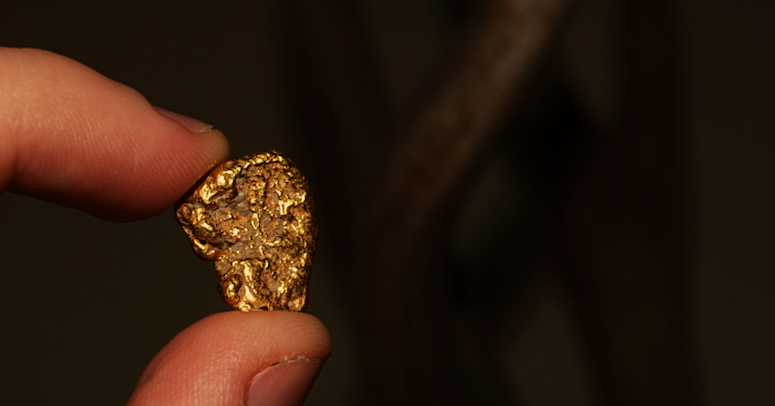
Gold Nuggets are naturally occurring, irregularly shaped pieces of high-purity gold found in alluvial deposits — particularly prized in Karamoja and Busumbu for their size and natural character. Collectors and specialty buyers prize Uganda gold nuggets for their origin traceability and natural form.
Dore Bars are semi-refined gold-silver alloy (typically 85–93% gold) produced at artisanal processing centres before transport to the AGR for final refining. The primary bulk trading form for large-scale artisanal gold transactions in Uganda.
Where Gold Is Found in the DRC: The Complete Mining Region Guide
The Democratic Republic of Congo holds some of the world’s most extraordinary gold reserves. The DRC mining sector holds abundant natural resources with high reserves of gold estimated at approximately 750 tonnes in proven reserves.
The DRC is one of the top-ten ASM gold producers globally. Most of the DRC’s artisanal and small-scale gold mining production takes place in the Haut-Uélé, Ituri, North and South Kivu, Maniema, and Tanganyika provinces.
1. Haut-Uélé Province — Home of Kibali, Africa’s Largest Gold Mine
Haut-Uélé Province in Northeastern DRC is the country’s most productive and best-documented formal gold mining zone. It is home to the Kibali Gold Mine — Africa’s largest gold mine by annual output, operated as a Barrick Mining/AngloGold Ashanti/SOKIMO joint venture.
The Kibali gold mine is located in the northeast of the Democratic Republic of Congo, approximately 220 kilometres east of the capital of the Haut-Uélé province, Isiro, 150 kilometres west of the Ugandan border town of Arua, and 1,800 kilometres from the Kenyan port of Mombasa.
Kibali produced 673,000 oz in 2025 from 8.322 million tonnes of ore at 2.79 g/t gold, generating $2.31 billion in consolidated revenue — accounting for 99.6% of DRC’s formal gold exports.
The mine operates on 85%+ renewable energy from three hydroelectric stations and solar capacity, making it one of the world’s most sustainably operated large-scale gold mines.
Why Haut-Uélé gold is the safest DRC sourcing option: Geographically removed from eastern DRC conflict zones. ITSCI-tagged at mine gate.
OECD Due Diligence compliant. Barrick/AngloGold quarterly reporting to NYSE/TSX provides maximum corporate accountability.
For buyers subject to EU Conflict Minerals Regulation, Dodd-Frank Section 1502, or institutional ESG requirements, Haut-Uélé/Kibali-origin gold is the definitive safe sourcing channel from DRC.
Beyond Kibali, Haut-Uélé Province hosts the broader Kilo-Moto goldfields — historically one of Africa’s most productive gold zones, with total historical production from the Kilo and Moto areas estimated at approximately 11 million ounces between 1906 and 2009.
2. Ituri Province — Rich Alluvial and Hard-Rock Deposits
Ituri Province is one of DRC’s most gold-rich areas, with extensive alluvial deposits along the Ituri and Aruwimi river systems and hard-rock formations in the Moto goldfield complex.
The second largest gold region is the Kilo-Moto area (the “Northern Gold Province”) located in Ituri and Haut-Uélé provinces, home to rich deposits.
Artisanal miners in Ituri work along rivers and streams extracting gold through traditional methods. The region’s abundant gold makes it attractive to investors, though careful sourcing is essential given the mixed security landscape across different Ituri districts.
Gold characteristics in Ituri: Alluvial nuggets and dust from river deposits (80–93% natural purity), alongside hard-rock gold from the Moto complex.
Growing OECD audit infrastructure is making Ituri-origin artisanal gold progressively more accessible for internationally compliant buyers.
3. North Kivu — Rich but Highest Compliance Complexity
North Kivu Province hosts some of DRC’s most prolific artisanal gold mining zones within the “Kibaran Gold Province” — the most exploited gold geological region in eastern DRC.
However, North Kivu is also the epicenter of DRC’s ongoing conflicts in 2026, with M23 and other armed groups having historically controlled mining zones in parts of the province.
Gold smuggling across borders, particularly to Uganda and Rwanda, finances armed groups in North Kivu. Gold from this province without comprehensive, independently verified OECD-audited chain-of-custody carries significant OFAC sanctions exposure, EU Conflict Minerals Regulation risk, and Dodd-Frank non-compliance potential.
For international buyers: Do not source North Kivu gold without a completed third-party OECD supply chain audit from an accredited firm. Africa Gold Suppliers Limited does not source from non-FARDC-controlled zones in North Kivu.
4. South Kivu — High Potential, Significant Compliance Requirements
South Kivu Province is known for gold and other precious minerals in the “Kibaran Gold Province” and “Panafrican Gold Province” geological zones. Mining combines artisanal and semi-industrial operations along the Ulindi, Elila, and Kamituga river systems.
South Kivu’s gold potential is significant — but so are its compliance requirements. The same armed group risk that complicates North Kivu sourcing applies in South Kivu.
The Twangiza Mine (Banro Corporation) operates under better controls in South Kivu, but the broader artisanal sector requires the most rigorous due diligence.
Gold characteristics in South Kivu: Alluvial and hard-rock gold of 80–94% natural purity. OECD-audited cooperative material is available but requires significant compliance infrastructure.
5. Maniema Province — Growing Formal Investment Zone
Maniema Province in Central DRC is increasingly recognized as one of the country’s most viable artisanal gold sourcing zones for internationally compliant buyers. Its location away from the main eastern conflict zones, growing OECD audit infrastructure, and active SAEMAPE-registered cooperative networks make Maniema progressively more accessible.
Hard rock gold mining predominates in Maniema, with gold often refined and certified before sale through registered buying centres.
The province’s gold is frequently cited alongside Haut-Uélé as a viable low-risk sourcing zone for OECD-committed buyers.
Gold characteristics in Maniema: Hard-rock and alluvial. Natural purity 82–95%. Growing refinery access means more Maniema gold is available in refined bar form.
6. Katanga Region — Industrial Gold Alongside Copper Dominance
Katanga (now Haut-Katanga, Lualaba, and related provinces) in Southern DRC is primarily known for its extraordinary copper and cobalt production, but also produces significant quantities of gold as a byproduct of copper mining operations. Mining is predominantly industrial, with large international operators producing consistently certified material.
Katanga gold is typically available through formal commercial channels connected to the major copper mining operations, with documentation standards generally higher than artisanal eastern Congo sources.
Current Gold Prices in Uganda and DRC (May 2026)
Before exploring where gold is found, understanding current gold prices in Africa gives context to every sourcing decision.
All African gold prices are derived from the international LBMA spot price of approximately $4,720–$4,739 USD per troy ounce in May 2026.
Live Gold Price — Uganda and DRC (May 2026)
| Country | 24K Per Gram (USD) | 24K Per Gram (Local) | 1 kg (USD) |
|---|---|---|---|
| Uganda | $148–$152 | UGX 570,769 | $148,000–$152,000 |
| DRC (formal channel) | $148–$155 | CDF 344,000–361,000 | $148,000–$155,000 |
| DRC (artisanal dore) | $128–$142 | CDF 298,000–331,000 | $128,000–$142,000 |
Types of Gold Found in the DRC
Alluvial Gold: Extracted from rivers and streams across Ituri, North Kivu, South Kivu, and Maniema. Natural purity 80–94%. Primary source of DRC’s artisanal gold sector output.
Hard Rock Gold: Found in quartz veins and extracted through mining and processing. Predominant in Haut-Uélé (Kibali), Maniema, and parts of Katanga. Achieves highest natural purities of any DRC source.
Gold Nuggets: Naturally occurring pieces sought by collectors and high-value buyers. Available from Ituri and South Kivu artisanal zones. Prized for their natural form and DRC-origin provenance.
Dore Bars (85–93% Gold Content): Semi-refined output from mine-site processing facilities. The primary bulk trading form for large artisanal and semi-industrial transactions. Priced at 5–15% below refined spot for buyers with downstream refinery access.
ITSCI-Tagged Formal Channel Gold: Kibali-area material tagged at mine gate with conflict-free certification. The highest compliance standard available from any DRC source.
Why Invest in African Gold from Uganda and DRC in 2026?
Why invest in African gold in 2026 is not a rhetorical question — it is answered by the numbers, the geology, and the structural supply dynamics:
Record prices have transformed the economics. Gold at $148–$155/gram is 40% above where it was a year ago. Every tonne of Uganda or DRC gold is worth approximately $29,000–$40,000 more per tonne today than in July 2025. Investors who positioned in African gold source relationships in 2025 are sitting on extraordinary gains.
Mine-direct premiums in Africa are the world’s lowest. Africa Gold Suppliers Limited sources at 1–3% above LBMA spot — compared to 5–10% at European or American retail dealers. On a kilogram purchase, African sourcing saves $4,000–$15,000 versus global retail.
African gold is genuinely high purity. African gold is often 24K or 22K after refining, ideal for investment. The raw natural purity of Karamoja (85–95%) and Haut-Uélé (formal channel) material means refiners receive exceptional input quality.
Structural supply deficits support prices. Central bank gold buying sustained at 1,000+ tonnes annually, sustained investor demand, and growing industrial use from solar and electric vehicles create persistent structural demand above mine supply growth — supporting the price floor.
Diversification from a geologically unique source. Uganda and DRC gold comes from geological formations fundamentally different from Australian, Chinese, or North American production. Origin diversification is increasingly valued by institutional buyers seeking supply chain resilience.
How to Buy Gold in Uganda and DRC Safely: Step-by-Step Guide
Buying gold in Uganda and DRC requires navigating the licensing, documentation, and compliance frameworks of two distinct regulatory environments. Africa Gold Suppliers Limited manages every step:
Step 1: Work with a Licensed and Verified Dealer
Always work with licensed and verified dealers like Africa Gold Suppliers Limited. We hold current BGMA licensing in Uganda and source exclusively through SMRC-authorized Tier 1 channels in DRC. Avoid all transactions outside of verified licensed channels — the financial and legal consequences of buying unlicensed African gold are severe.
Step 2: Verify Authenticity with Independent Assay
Every gold purchase from Africa Gold Suppliers Limited comes with a certificate of authenticity and assay from a named, independently verifiable laboratory — not an in-house certificate.
For Uganda: Simba Assay Laboratory or UNBS. For DRC: accredited Kinshasa laboratories. Fire assay and XRF results are provided with every transaction.
Step 3: Understand Local Regulations
Uganda and DRC have specific mining, export, and trading regulations. In Uganda, a 5% export levy applies to refined gold. In DRC, approximately 13.5% combined (3.5% royalty + 10% export tax).
Large gold transactions require permits, legal documentation, and compliance with local authorities. Africa Gold Suppliers Limited manages all paperwork, ensuring your purchase is fully legal.
Step 4: Choose Your Gold Type Based on Investment Goals
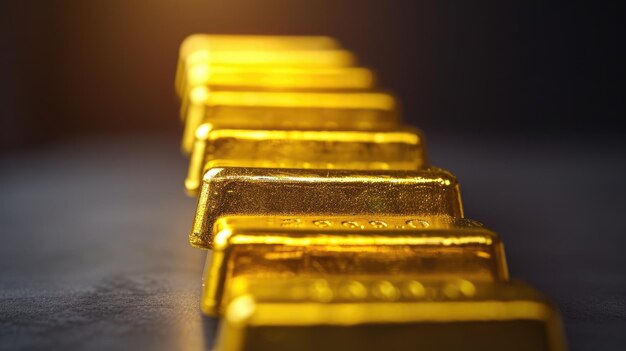
Gold bars are ideal for large-scale investment — directly track LBMA spot, universally accepted, maximum liquidity. Gold nuggets suit collectors and specialty buyers seeking Uganda or DRC origin provenance.
Dore bars provide cost efficiency for buyers with refinery access. Gold dust serves as affordable refinery input material.
Step 5: Use Secure, Traceable Payment Methods
Use secure payment options — bank wire transfer (SWIFT) for all significant transactions, or licensed escrow services for first-time buyers. Avoid cash-only deals and any demands for advance fees. Proper payment methods protect both buyer and dealer while ensuring traceable, AML-compliant transactions.
Step 6: Arrange Safe Shipping and Storage Through Insured Partners
Africa Gold Suppliers Limited arranges insured shipping via Brinks Global Services, Malca-Amit, or DHL from Entebbe International Airport (Uganda) or N’djili Airport (DRC Kinshasa) to any global destination. All shipments carry full declared-value insurance. Vault storage solutions are available for buyers not exporting immediately.
Uganda vs DRC Gold: Which Should You Buy?
For buyers choosing between Uganda gold and DRC gold, the decision depends on your compliance requirements, risk tolerance, and intended use:
| Factor | Uganda Gold | DRC Gold (Kibali formal) |
|---|---|---|
| Export tax | 5% (refined) / 10% (unrefined) | ~13.5% combined |
| Compliance complexity | Moderate (BGMA/MEMD) | High (OECD/ITSCI mandatory) |
| Conflict minerals risk | Low | Low (Haut-Uélé only) |
| Natural purity | 82–95% (artisanal) | 85–99%+ (Kibali formal) |
| Best for | Cost-competitive bulk; artisanal nuggets | OECD-compliant institutional buyers |
| Dealer | Africa Gold Suppliers Limited | Africa Gold Suppliers Limited |
For most buyers prioritizing cost-effective sourcing with strong documentation, Uganda through Africa Gold Suppliers Limited delivers the best combination of competitive pricing, accessible compliance, and reliable supply.
For buyers with specific EU Conflict Minerals Regulation or Dodd-Frank obligations requiring DRC-origin documentation, Kibali-area Haut-Uélé formal channel gold through our DRC network provides the required compliance credentials.
FAQs: Where Gold Is Found in Uganda and DRC (2026)
Q: Where is gold most commonly found in Uganda? A: Gold in Uganda is concentrated in Busia District (Eastern Uganda, alluvial), Karamoja (Northern Uganda, high-purity alluvial and nuggets), Mubende District (Central Uganda, alluvial and hard-rock), Kitgum and Busumbu (Northern Uganda, artisanal nuggets), and the Kilembe-Kasese belt (Western Uganda, hard-rock). All of these regions are accessible through Africa Gold Suppliers Limited’s verified supply chain.
Q: Where is gold found in the DRC? A: Most of the DRC’s artisanal and small-scale gold mining production takes place in the Haut-Uélé, Ituri, North and South Kivu, Maniema, and Tanganyika provinces.
For international buyers, the safest sourcing zone is Haut-Uélé Province (Kibali Mine area), which is OECD-compliant and ITSCI-certified.
Q: What types of gold are available from Uganda and DRC? A: Both countries offer alluvial gold, hard-rock gold, natural nuggets, dore bars, and refined 24K investment bars.
Uganda also produces some of Africa’s finest artisanal gold nuggets from Karamoja. DRC offers Kibali-area ITSCI-tagged formal channel gold alongside artisanal material from multiple provinces.
Q: What is the current gold price in Uganda and DRC? A: As of May 2026, Uganda 24K gold is approximately UGX 570,769/gram (~$148–$152 USD). DRC formal channel 24K gold is approximately $148–$155/gram (CDF 344,000–361,000). Artisanal dore from DRC runs $128–$142/gram reflecting natural purity discounts.
Q: How do I buy gold from Uganda or DRC safely? A: Work exclusively with a licensed dealer like Africa Gold Suppliers Limited — BGMA-licensed in Uganda and SMRC-authorized in DRC. Require independent fire assay certification from named laboratories. Use SWIFT bank wire or escrow payment. Never pay advance fees. Contact us at africagoldsuppliers.com or WhatsApp to begin.
Why Buy Gold in Africa Through Africa Gold Suppliers Limited?
You now know exactly where gold is found in Uganda and the DRC — from Busia’s alluvial riverbeds to Karamoja’s high-purity nugget zones, from Kibali’s world-class industrial mining in Haut-Uélé to the rich but complex artisanal provinces of eastern Congo. You know the types, the purities, the compliance profiles, and the price levels.
The remaining question is who you trust to source, verify, document, and deliver that gold to you — legally, safely, and at prices that genuinely beat the global retail market.
Africa Gold Suppliers Limited was built to answer exactly that question.
We are a licensed African gold sourcing and export company with verified supply chains across Uganda’s Busia, Karamoja, and Mubende goldfields and DRC’s Haut-Uélé formal Kibali corridor. Our clients — from individual investors starting with 1 gram to institutional buyers acquiring multiple kilograms — access:
Certified gold supply — 24K bars, 22K jewellery-grade, natural nuggets, and dore bars with fire assay and XRF certification from named accredited laboratories.
Transparent LBMA-referenced pricing — every quote states the current spot, our premium (1–3%), and any applicable export taxes. No hidden fees. No moving price targets.
Complete compliance documentation — BGMA licensing (Uganda), SMRC authorization (DRC), OECD Due Diligence, ITSCI conflict-free certificates, Certificates of Origin specifying exact source province, KYC/AML compliance, and OFAC SDN clearance for all counterparties.
Insured worldwide delivery — via Brinks, Malca-Amit, or DHL from Entebbe (Uganda) or N’djili Kinshasa (DRC) to Dubai, Europe, USA, Asia, or any global destination with full declared-value insurance and real-time tracking.
Export assistance — we handle every document, every government fee, every customs procedure on your behalf. You make one decision. We handle everything else.
Africa’s gold is extraordinary — born from some of earth’s oldest and most productive geological formations, refined to international investment standards, and now accessible at the lowest dealer premiums available anywhere in the world. Uganda’s Karamoja nuggets, Busia’s alluvial gold, and Congo’s Kibali-corridor formal material are waiting.
Buy gold in Africa with confidence. Africa Gold Suppliers Limited is your trusted partner from first contact to final delivery.
Contact us today to buy gold in Uganda and Congo!
Gold prices updated May 2026. Uganda 24K: UGX 570,769/gram (~$148–$152 USD). DRC formal channel 24K: ~$148–$155/gram (CDF 344,000–361,000). LBMA spot: ~$4,720–$4,739/oz. All-time gold record: $5,602.22/oz (January 28, 2026). All prices are reference rates — verify before transacting.