5 Major Types of Trees: All you need to know
Types of trees: The diversity of trees is a testament to nature’s adaptability, with over 60,000 species shaping ecosystems, economies, and cultures worldwide.
Trees vary in form, function, and habitat, from towering conifers in boreal forests to sprawling banyans in tropical jungles.
This exploration delves into the major types of trees, their characteristics, ecological roles, and human uses, aiming for a comprehensive overview.
Classification of Trees
Trees are woody, perennial plants with a single main stem or trunk, typically supporting branches and leaves. They fall under the Spermatophyta division (seed-producing plants), divided into Gymnosperms (non-flowering, naked-seed plants) and Angiosperms (flowering, enclosed-seed plants).
Beyond this botanical split, trees are categorized by growth habits, ecological niches, and uses, such as coniferous, broadleaf, tropical, fruit-bearing, or ornamental.
- Gymnosperms: These trees, including conifers, bear seeds in cones and often have needle-like or scale-like leaves. Most are evergreen, retaining foliage year-round, though some, like larches, are deciduous.
- Angiosperms: These encompass broadleaf trees, which produce flowers and enclose seeds in fruits or pods. They may be deciduous (shedding leaves seasonally) or evergreen, depending on species and climate.
Additional classifications include hardwoods (dense, angiosperm-derived) versus softwoods (lighter, gymnosperm-derived), and ecological or commercial groupings like timber, fruit, or ornamental trees.
Major Types of Trees
1. Coniferous Trees (Softwoods)
Coniferous trees, primarily gymnosperms, dominate cold and temperate regions, such as boreal forests. Their needle-like or scale-like leaves and cone-bearing reproductive systems suit harsh climates. Their wood, termed softwood, is valued for construction, pulp, and resin products.
- Pines (Pinus spp.): With over 120 species, pines are versatile, thriving in diverse soils from sandy plains to mountains. The Eastern white pine (Pinus strobus) provides timber for furniture, while the Monterey pine (Pinus radiata) is a fast-growing plantation species. Pines have bundled needles and woody cones, with resin that deters pests.
- Firs (Abies spp.): Firs, like the balsam fir (Abies balsamea), have soft, flat needles and upright cones. They’re popular as Christmas trees and for structural timber due to their straight grain.
- Spruces (Picea spp.): Spruces, such as the blue spruce (Picea pungens), have sharp, square needles and drooping cones. Their wood is used for pulp, lumber, and musical instruments like violins.
- Cedars (Cedrus spp.): True cedars, like the Lebanon cedar (Cedrus libani), produce aromatic, decay-resistant wood ideal for outdoor furniture and construction.
- Larches (Larix spp.): Unlike most conifers, larches are deciduous, shedding soft needles annually. The European larch (Larix decidua) is valued for durable timber.
Conifers’ evergreen nature supports year-round photosynthesis, making them vital in nutrient-poor or cold environments. Their resin protects against insects and fungi, enhancing longevity.
2. Broadleaf Trees (Hardwoods)
Broadleaf trees, mostly angiosperms, feature wide, flat leaves and thrive in temperate and tropical regions. Their dense wood, known as hardwood, is prized for furniture, flooring, and decorative uses.
- Oaks (Quercus spp.): With over 600 species, oaks are ecological and economic powerhouses. The English oak (Quercus robur) provides strong timber for construction, while its acorns feed wildlife. Oaks adapt to various soils and climates.
- Maples (Acer spp.): Maples, like the red maple (Acer rubrum), offer vibrant autumn foliage and versatile wood. The sugar maple (Acer saccharum) yields syrup and high-quality timber for furniture.
- Beeches (Fagus spp.): The European beech (Fagus sylvatica) has smooth bark and edible nuts. Its dense wood is used for furniture and firewood.
- Birches (Betula spp.): Birches, such as the silver birch (Betula pendula), have distinctive white bark. Their lightweight wood suits plywood and crafts.
- Walnut (Juglans spp.): Black walnut (Juglans nigra) produces dark, valuable wood for furniture and gunstocks, alongside edible nuts.
Broadleaf trees often shed leaves in temperate regions, conserving water during winter, while evergreen broadleaves dominate milder climates. Their diversity supports complex ecosystems.
3. Tropical and Rainforest Trees
Tropical trees flourish in warm, humid climates, particularly rainforests, where they form dense, biodiverse canopies. Many are evergreen, with broad leaves to maximize photosynthesis.
- Teak (Tectona grandis): Native to South and Southeast Asia, teak’s durable, water-resistant wood is ideal for furniture, shipbuilding, and outdoor structures.
- Mahogany (Swietenia spp.): Mahogany’s rich, reddish wood is prized for luxury furniture and instruments. Overharvesting has endangered some species.
- Ebony (Diospyros spp.): Ebony’s dense, black wood is used for high-end furniture and piano keys, but its slow growth makes it vulnerable to exploitation.
- Balsa (Ochroma pyramidale): Balsa’s ultralight wood is used in model-making and insulation, growing rapidly in Central and South America.
- Ceiba (Ceiba pentandra): The kapok tree produces fibers for stuffing and has a massive trunk that supports epiphytes and wildlife.
Tropical trees are critical carbon sinks, storing vast amounts of CO₂. However, deforestation threatens their survival and the ecosystems they support.
4. Fruit and Nut Trees
These angiosperms are cultivated for edible products, blending agricultural utility with ornamental appeal. They thrive in diverse climates, from temperate to tropical.
- Apple (Malus domestica): With thousands of cultivars, apple trees are grown globally for fruit and cider. They require careful pruning and temperate conditions.
- Citrus (Citrus spp.): Citrus trees, like orange (Citrus sinensis) and lemon (Citrus limon), thrive in subtropical climates, producing fruit for food and juice.
- Almond (Prunus dulcis): Almond trees yield nuts and are valued for their spring blossoms in Mediterranean regions.
- Mango (Mangifera indica): A tropical staple, mango trees produce sweet fruits and are culturally significant in South Asia.
- Pecan (Carya illinoinensis): Native to North America, pecan trees provide nuts and shade, with wood used in furniture.
Fruit and nut trees support global food systems and local economies, often requiring intensive cultivation to maximize yields.
5. Ornamental Trees
Ornamental trees are grown for aesthetic value in landscapes, parks, and gardens, selected for their flowers, foliage, or form.
- Cherry (Prunus spp.): Japanese cherry trees (Prunus serrulata) are famed for their spring blossoms, symbolizing renewal in many cultures.
- Magnolia (Magnolia spp.): Magnolias, like the southern magnolia (Magnolia grandiflora), have large, fragrant flowers and glossy leaves.
- Dogwood (Cornus spp.): The flowering dogwood (Cornus florida) offers vibrant blooms and red berries, enhancing urban landscapes.
- Redbud (Cercis spp.): Eastern redbud (Cercis canadensis) features pink spring flowers, ideal for small gardens.
Ornamental trees improve urban environments, providing shade, reducing heat, and supporting pollinators like bees.
Ecological Roles
Trees are ecological linchpins, performing vital functions:
- Carbon Storage: Trees sequester CO₂, with tropical rainforests and old-growth forests being particularly effective.
- Biodiversity Support: Canopies, trunks, and roots provide habitats for birds, insects, and mammals. Oaks, for example, support hundreds of insect species.
- Soil and Water Management: Roots prevent erosion, while transpiration regulates water cycles. Mangroves stabilize coastal soils.
- Climate Regulation: Forests moderate temperatures and humidity, creating microclimates that support diverse life.
Each tree type contributes uniquely, with conifers dominating harsh climates and broadleaves fostering biodiversity in milder regions.
Human Uses
Trees provide essential resources and services:
- Timber: Softwoods like pine are used in construction, while hardwoods like oak are preferred for furniture and flooring.
- Pulp and Paper: Fast-growing eucalyptus and spruce supply pulp for paper and packaging.
- Food and Medicine: Fruit trees like citrus provide food, while willows (Salix spp.) yield salicin for aspirin.
- Cultural and Aesthetic: Trees like the banyan (Ficus benghalensis) hold spiritual significance, while ornamental species enhance landscapes.
- Energy: Wood from species like ash or eucalyptus is used for firewood and biomass.
Challenges and Conservation
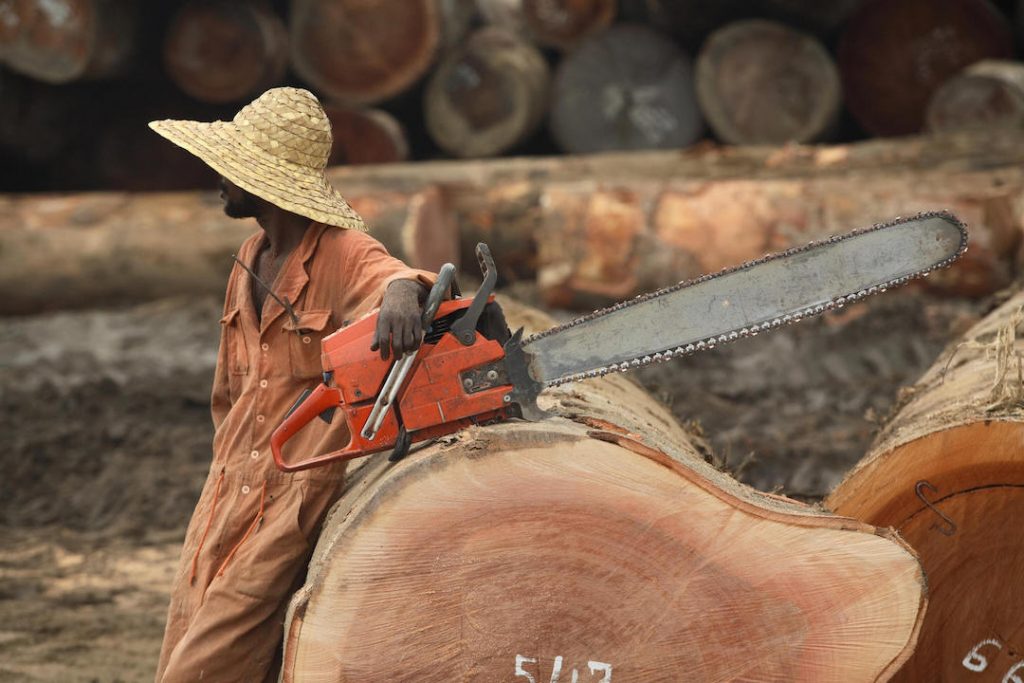
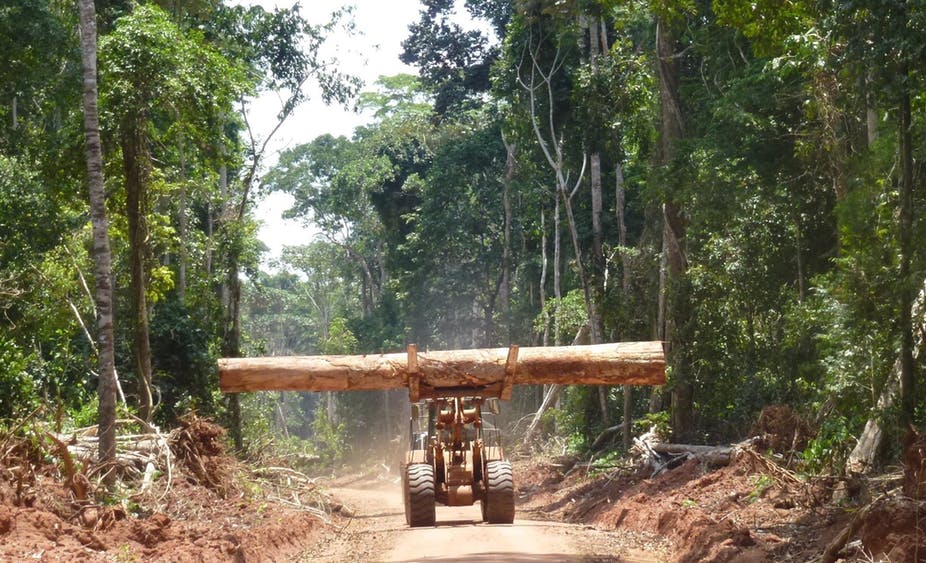
Trees face threats from deforestation, climate change, and pests. For instance, the emerald ash borer decimates ash trees, while illegal logging endangers mahogany. Conservation strategies include:
- Reforestation: Planting native species, like pines in degraded forests, restores ecosystems.
- Sustainable Forestry: Selective logging and certifications like FSC ensure responsible harvesting.
- Protected Areas: Reserves safeguard species like the critically endangered dragon tree (Dracaena draco).
The IUCN Red List tracks threatened species, emphasizing the need for global action to protect forests.
Conclusion
From resilient conifers to vibrant broadleaves, tropical giants, fruit-bearing trees, and ornamental varieties, trees are indispensable to life.
Their ecological roles, from carbon sequestration to habitat provision, and their economic contributions, from timber to food, underscore their value.