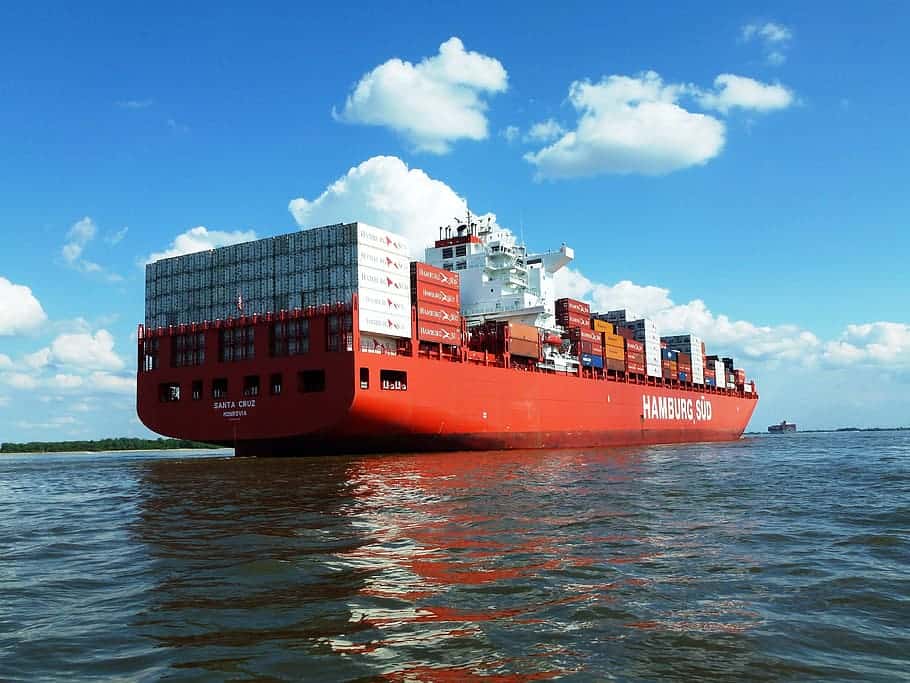
Gold Cargo Insurance: What You Need to Know Before Shipping Gold
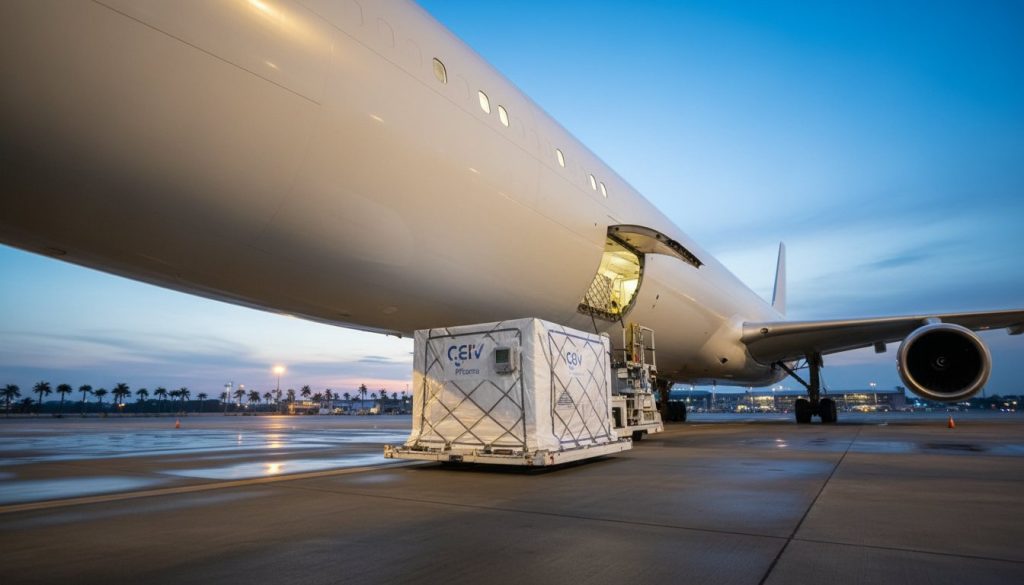
What Gold Cargo Insurance Actually Covers
Gold cargo insurance is a specialised form of marine or transit insurance designed specifically for high-value precious metals shipments. Unlike standard freight insurance, which is built around bulk commercial goods, gold cargo policies are underwritten around the unique risk profile of bullion: extremely high value in a very small, easily concealed package.
A proper policy covers physical loss or damage in transit, theft (including armed robbery), total loss during air or sea freight, and — critically — “all risks” coverage that protects the shipment from the moment it leaves the point of origin until it’s signed for at the final destination. This is the standard we apply to every shipment of certified 24K, 22K, and 18K gold we export from Uganda and the DRC.
Why Gold Requires Specialist Insurance, Not Standard Freight Cover
Ordinary cargo insurance policies typically exclude or severely cap coverage for precious metals, cash, and bullion — insurers treat these categories differently because the loss ratio and theft risk are fundamentally different from shipping machinery or textiles.
This is why insuring a gold shipment requires a policy specifically underwritten for bullion, usually arranged through a specialist marine cargo insurer or bundled directly by the logistics provider handling the transport.
If a supplier tells you your gold is “covered” under a generic shipping policy without specifying bullion-specific terms, that’s a red flag worth pressing on before you pay for anything.
How Much Gold Cargo Insurance Typically Costs
Gold shipping insurance rates are usually quoted as a small percentage of the declared cargo value rather than a flat fee, commonly in the range of 0.5% to 1% of the shipment’s total worth, though this varies by route, carrier, and total value insured.
On a $100,000 shipment, that translates to roughly $500–$1,000 in insurance cost — a modest premium against the alternative of an uninsured loss.
This cost is typically bundled into the overall logistics and export fee on a professionally managed shipment rather than billed as a hidden extra, which is exactly how we structure pricing on every gold bullion order we export.
Who Provides the Insurance: Carrier vs. Buyer vs. Exporter
One of the most common points of confusion in international gold shipping is who is actually responsible for arranging coverage. In a properly structured transaction, the exporter arranges insurance through their logistics partner before the shipment ever leaves the country of origin, with the policy remaining active until the gold is delivered and signed for by the buyer.
Specialist bullion carriers such as Brinks and Malca-Amit typically include declared-value insurance as part of their transport service rather than as a separate line item you need to source yourself.
This is a key reason buyers should never accept a shipment moved through a standard courier — general logistics providers like DHL or FedEx do not carry bullion-specific insurance and, in many jurisdictions, are contractually barred from transporting gold at all.
Insured Transport: Brinks, Malca-Amit, and Specialist Bullion Carriers
Insured gold transport almost always runs through carriers built specifically for precious metals logistics. These companies combine armed or discreetly escorted transport, tamper-evident sealed packaging, continuous GPS and chain-of-custody tracking, and declared-value insurance coverage built into the shipping contract itself.
This is the exact standard behind our own secure transportation process, which moves certified gold from our sourcing regions in Uganda and DR Congo to buyers internationally with full insurance coverage active for the entire journey — a step we outline in more detail on our Exporting Gold Bullion page.
What Documentation Is Required to Insure a Gold Shipment
Insurers won’t issue coverage on an undocumented parcel of gold — they need to know exactly what they’re underwriting. A standard gold cargo insurance policy requires an independent assay certificate confirming purity and weight, a commercial invoice stating the declared value, a certificate of origin, and the export permit authorising the shipment to leave the country legally.
This is precisely why gold moved without proper paperwork can’t be meaningfully insured at all — an insurer has no basis for valuing or verifying a claim on gold that was never certified or declared in the first place.
Every shipment we send includes this documentation as standard, following the same assay-and-certification process detailed on our How to Buy Gold Online Safely guide.
Declared Value: Why Accuracy Matters for Your Insurance Claim
The declared value on a gold shipment isn’t a formality — it’s the number your insurance payout is based on if something goes wrong.
Underdeclaring value to reduce insurance premiums or import duties is a common mistake that can leave a buyer badly exposed: if a loss occurs, the insurer only pays out against the declared figure, not the gold’s true market worth.
Always ensure the declared value on your shipping documents reflects the live spot-linked price of the gold at the time of shipment, not an outdated or discounted figure.
What Happens If a Gold Shipment Is Lost or Damaged
Under a properly structured gold cargo insurance claim, the process typically involves notifying the carrier and insurer immediately, providing the original assay certificate, commercial invoice, and export documentation as proof of value and ownership, and allowing the insurer’s investigation process to run its course before compensation is issued.
This is one more reason full documentation matters at every stage of a shipment — without it, even a legitimate loss becomes difficult to prove and resolve.
Insurance as Part of a Legitimate Gold Export Process
Cargo insurance doesn’t exist in isolation — it’s one link in a chain that includes sourcing, assay certification, export permitting, and secure transport. Buyers evaluating a supplier should treat the presence or absence of proper cargo insurance as a direct signal of how seriously that supplier takes the entire export process.
Our own gold export process moves through five clearly defined stages — sourcing, assay and certification, export permitting, insured secure transport, and final delivery — with insurance coverage active throughout the transport stage specifically, not layered on as an afterthought.
Buying Gold From a Supplier Who Insures Every Shipment
If you’re comparing gold suppliers and this is the first time cargo insurance has come up in the conversation, that’s worth noticing. At Africa Gold Suppliers Ltd, every shipment of certified gold — whether it’s gold nuggets, raw gold, or refined bars — moves under full insured transport with declared-value coverage active from the moment it leaves our facilities in Uganda or the DRC until it reaches you.
We ship regularly to buyers in Dubai, the United States, Canada, Switzerland, and Singapore, with the same insured, documented process applied to every destination.
Verify Insurance Before You Pay — Not After
Before committing to any gold purchase, ask your supplier directly which carrier will handle transport, whether declared-value insurance is included in the shipping cost, and whether you’ll receive proof of coverage before the shipment departs.
A legitimate exporter will answer these questions without hesitation. If a supplier is vague about insurance, transport partners, or documentation, treat that as seriously as you would a purity concern — an uninsured shipment leaves you with no recourse at all if something goes wrong in transit.

Ship With Confidence — Every Shipment Fully Insured
Cargo insurance isn’t an optional extra when you’re moving physical gold internationally — it’s the difference between a secure transaction and an unrecoverable loss.
We built our entire export process around getting this right: certified purity, full documentation, and insured transport on every single shipment, whether you’re sourcing gold from local miners or ordering certified bars directly.
Reach out through our Contact page today, or Book a Call on WhatsApp, and buy your next gold shipment knowing it’s fully insured from our door to yours.
Related Pages
- Gold Bar
- Gold Nugget
- Raw Gold
- Gold Bullion Online
- Exporting Gold Bullion
- How to Buy Gold Online Safely
- Buy Gold from Local Miners
- Services
- Buy Gold in Dubai
- Buy Gold Bullion in the USA
- Buy Gold Online in Canada
- Buy Gold Online in Switzerland
- Buy Gold in Singapore
- Buy Gold in Uganda
- Buy Gold in Congo
- About Africa Gold Suppliers
- Contact Us