
Buy Gold in Singapore: Pure Certified Gold Bars
Buy Gold in Singapore: In October 2012, Singapore made a deliberate policy decision that changed its gold market permanently: it exempted qualifying Investment Precious Metals (IPM) from GST entirely, specifically to compete with Hong Kong and London as a serious regional bullion hub. It worked.
Singapore now hosts the Singapore Bullion Market Association, secure freeport-style vaulting at facilities like Le Freeport near Changi Airport, and an established dealer scene led by platforms like BullionStar — all built around that single 2012 exemption.
This guide covers what actually matters for a Singapore-based buyer: how gold enters the country, how it gets shipped in securely, where the established local dealers operate, why African-sourced bars are increasingly part of the picture, and what GST and customs duties genuinely apply.
Import Gold into Singapore
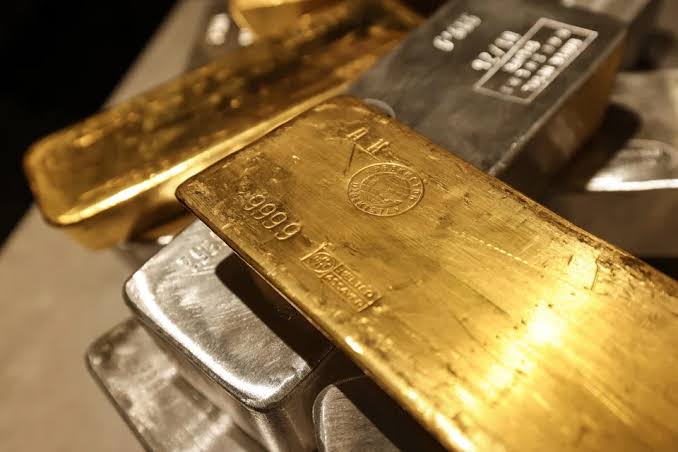
Singapore’s Investment Precious Metals (IPM) scheme is the single most important rule for anyone importing gold into the country. Introduced in 2012, it exempts gold from Singapore’s GST — now 9% — provided the metal meets specific criteria: a minimum purity of 99.5% for gold, cast or stamped into bars, ingots, or wafers by an LBMA-accredited or recognized national refiner, with the weight, purity, and refiner clearly marked. Gold that doesn’t meet these standards — low-purity jewelry, for instance — doesn’t qualify, and gets taxed at the standard GST rate like any other import.
For commercial shipments, Singapore Customs still expects standard trade documentation regardless of IPM status: a commercial invoice, an assay certificate confirming purity, and a certificate of origin.
This paperwork is what actually determines whether a shipment qualifies for the IPM exemption on arrival, rather than something to sort out after the fact.
Buyers importing gold from Africa through Africa Gold Suppliers Limited receive this full documentation package prepared before the shipment leaves the continent, specifically built to satisfy IPM qualification requirements at Singapore customs. See our guide on 24K gold price per gram for how African export pricing compares once landed in Singapore.
Shipping Gold to Singapore
Gold shipped from Africa to Singapore moves through the same insured, tracked international logistics channels used for any serious bullion transaction — DHL, FedEx, or armoured transport for larger consignments, depending on order size and whether delivery is to a private address or directly into secure vault storage. Every shipment carries full-value insurance from departure in Africa through to arrival in Singapore.
Singapore’s freeport-style storage facilities, including Le Freeport near Changi Airport, are a genuinely popular option for buyers who’d rather move gold directly into secure, GST-exempt storage than take physical delivery at home — a pattern that’s become increasingly common among serious Singapore-based investors and regional institutional buyers using Singapore as a base for wider Southeast Asian gold holdings. Our gold bullion guide touches on Singapore vault storage as part of a broader diversification strategy.
Contact our team directly to discuss shipment size, insurance terms, and delivery versus vault-storage options for your specific order.
Gold Dealers in Singapore
Singapore’s domestic bullion market runs through a mix of established platforms and traditional banking channels. BullionStar has become one of the region’s best-known online precious metals dealers, offering IPM-qualifying bars and coins with in-house vault storage.
Singapore banks including UOB and DBS offer gold savings accounts and physical bullion products to retail clients, while the Singapore Bullion Market Association (SBMA) serves as the industry’s professional trade body, reflecting the market’s growth since the 2012 IPM exemption took effect.
As with any established retail gold market, it’s worth distinguishing between investment-grade IPM bullion — which carries no GST and prices closely to spot — and jewelry, which doesn’t qualify for the exemption and includes craftsmanship costs on top. Buyers specifically wanting pure 24K investment bars are usually better served sourcing directly rather than through jewelry retail counters, which is exactly the gap direct African sourcing fills for Singapore-based investors.
African Gold for Singapore Investors
Singapore sits at the center of Southeast Asia’s gold trade, and increasingly that trade connects directly back to Africa rather than routing exclusively through London or Zurich intermediaries.
Africa now produces over 1,010 tonnes of gold annually — more than any other region on Earth — with countries like Uganda, Ghana, and South Africa offering 24K bars 3–8% below equivalent product bought in Dubai, London, or New York, since the gold hasn’t yet passed through multiple layers of retail and refining margin before reaching the buyer.
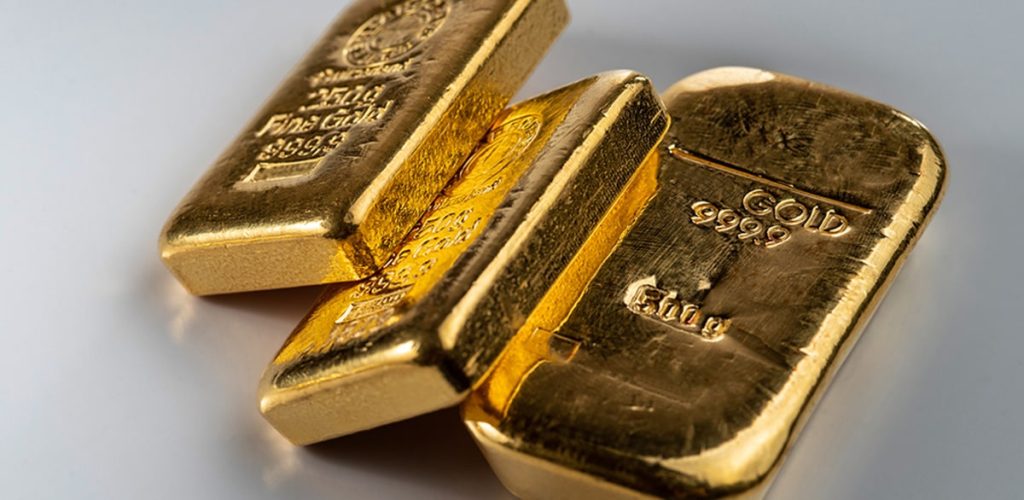
Africa Gold Suppliers Limited, headquartered in Kampala, Uganda, works directly with Singapore-based buyers — individual investors, regional traders, and institutional buyers using Singapore as a base — supplying 24K gold bars (99.99% purity) with full assay certification, sourced from Uganda, the DRC, Tanzania, and South Africa, and documented specifically to qualify for Singapore’s IPM GST exemption on arrival.
Orders range from 1-gram trial samples through to full 1kg bars and bulk institutional lots, backed by OECD Due Diligence-compliant sourcing.
We’ve also built a dedicated guide for the wider Southeast Asian market in our buying gold in Malaysia from Africa piece, and our gold producing countries in Africa guide covers exactly where this gold originates.
Customs Duties in Singapore
Singapore charges no customs duty on gold entering the country — precious metals are not subject to import tariffs regardless of form. GST is the relevant tax here instead, and as covered above, qualifying Investment Precious Metals at 99.5%+ purity are fully exempt from Singapore’s 9% GST, while non-qualifying gold — jewelry and lower-purity items — is taxed at the standard rate.
Separately, Singapore requires travelers carrying physical currency or bearer negotiable instruments exceeding SGD 20,000 to file a report with Singapore Customs under the Cross Border Movement of Physical Currency and Bearer Negotiable Instruments regulations.
As in most jurisdictions, this rule targets cash and bearer instruments specifically — a properly documented gold shipment moves through the standard trade and IPM-qualification process instead, not the cash-declaration channel.
Current Gold Prices for Singapore Buyers (SGD & USD)
Gold prices move daily — treat this as an indicative snapshot rather than a live quote.
| Weight | Price (USD) | Price (SGD) |
|---|---|---|
| 1 gram | ~$118 | ~SGD 158 |
| 10 grams | ~$1,180 | ~SGD 1,581 |
| 1 troy oz (31.1g) | ~$3,670 | ~SGD 4,918 |
| 100 grams | ~$11,800 | ~SGD 15,810 |
| 1 kilogram | ~$118,000 | ~SGD 158,100 |
Indicative pricing for 24K (999.9 fine) gold at recent international spot rates. Prices reflect gold qualifying for Singapore’s IPM GST exemption; non-qualifying gold would carry an additional 9% GST. Request a live quote for exact current pricing before ordering.
FAQs – Buy Gold in Singapore
Does Singapore charge GST on gold? Not on qualifying Investment Precious Metals (99.5%+ purity gold bars from recognized refiners) — these have been GST-exempt since 2012. Non-qualifying gold, like jewelry, carries the standard 9% GST.
Is there import duty on gold in Singapore? No — Singapore charges no customs duty on precious metals regardless of form.
What is the IPM scheme? Singapore’s Investment Precious Metals scheme, introduced in 2012, exempts qualifying gold, silver, and platinum bullion from GST to encourage Singapore’s growth as a regional bullion trading hub.
Do I need to declare gold entering Singapore? Gold bars are handled through standard trade documentation. The SGD 20,000 declaration threshold applies specifically to cash and bearer instruments, not to bullion shipments.
Can I store gold in Singapore instead of taking delivery? Yes — freeport-style facilities like Le Freeport near Changi Airport offer secure, GST-compliant vault storage popular with both individual and institutional investors.
Is African-sourced gold cheaper than buying through a Singapore dealer? Often yes for investment-grade bars — direct sourcing typically runs 3–8% below equivalent bars bought through established Western or Middle Eastern retail markets.
Related Gold Buying Guides
- 24K Gold Price Per Gram in Africa
- Buying Gold in Malaysia from Africa
- Gold Bullion Guide: Buy Bars & Coins for Investment
- Top 20 Gold Producing Countries in Africa
- Cheapest Country to Buy Gold in Africa
- Buy Gold Bars from Africa
- Gold Bars for Sale
- Gold Export Permit Process
- How to Transport Gold from Africa Safely
- Do You Sell Gold Doré Bars?
- Buy Gold in Hong Kong
- Gold Investment Opportunities in Africa
- Contact Us