
How to Import Gold from Africa to China — Complete 2026 Guide
How to import gold from Africa to China: Importing gold from Africa to China requires: (1) sourcing from a licensed African exporter with full Ministry of Mining/DGSM export permits and independent SGS or Intertek assay certification; (2) preparing the complete export documentation package (export permit, certificate of origin, OECD conflict-free report, tax clearance); (3) shipping via insured specialist carriers (Brinks, Malca-Amit) to Shanghai or another Chinese port; (4) clearing Chinese customs under HS code 7108.12, with gold typically refined to SGE (Shanghai Gold Exchange) standard 999.9 fine 1kg kilobars at an SGE-accredited refinery; (5) accessing the SGE International Board in the Shanghai Free Trade Zone for CNY-priced trading. China is Africa’s largest trading partner and a major destination for gold from Ghana, South Africa, the DRC, and Tanzania. For certified African gold with full export documentation ready for Chinese import, visit africagoldsuppliers.com.
China is the world’s largest gold refining market and Africa’s largest trading partner — making the route from African gold mines to Chinese buyers one of the most significant and fastest-growing corridors in the global precious metals trade. Yet importing gold from Africa to China involves navigating two separate, demanding regulatory systems: African export law (varying by country of origin) and China’s Shanghai Gold Exchange (SGE) accreditation and customs framework.
Done correctly, the process delivers certified, LBMA and SGE-recognised gold into one of the world’s most liquid and price-competitive gold markets. Done incorrectly, it exposes buyers to customs seizure, fraud, and conflict-minerals compliance failures.
This guide walks through the complete process of how to legally import gold from Africa to China — sourcing documentation, African export requirements, Chinese customs and SGE accreditation, shipping logistics, and the practical compliance steps every buyer needs. For certified African gold already prepared with full export documentation for the Chinese market, visit Africa Gold Suppliers Ltd, a licensed exporter sourcing from Uganda, Ghana, Tanzania, and the DRC.
Why China Is a Major Destination for African Gold
Understanding why so much African gold flows to China explains the scale and importance of this trade corridor:
- China is the world’s largest gold refining market: Chinese refineries process an estimated 1,500–2,000 metric tonnes of gold annually — more than any other country, dwarfing Switzerland, the UAE, and Singapore combined
- China is Africa’s largest trading partner overall: Decades of Chinese infrastructure investment, mining joint ventures, and bilateral trade agreements across Africa have built deep commercial relationships that extend naturally into the gold trade
- Chinese mining companies have direct African gold and copper-gold operations: Zijin Mining’s Kamoa-Kakula copper-gold complex in the DRC, and various Chinese state and private investments across Ghana, Zambia, and elsewhere, create direct ownership-linked gold flows from Africa to China
- The Shanghai Gold Exchange offers a CNY-priced premium market: Domestic Chinese gold typically trades at a premium of $10–30/oz above LBMA London spot, reflecting import restrictions and strong domestic demand — creating a pricing incentive for gold flowing into China through proper channels
- China’s central bank is one of the world’s most active sovereign gold buyers: The People’s Bank of China has added hundreds of tonnes to reserves since 2022, with domestically refined gold (including processed African doré) feeding this accumulation programme

Below are the steps on How to Import Gold from Africa to China;
Step 1 — Source Gold from a Licensed African Exporter
The foundation of any legal gold import from Africa to China is sourcing from a properly licensed exporter in the country of origin. Africa Gold Suppliers Ltd sources certified gold from licensed mining operations and cooperatives across multiple African countries, each with its own specific export licensing authority:
| Source Country | Export Licensing Authority | Assay Body | Typical Form Exported |
| Uganda | Directorate of Geological Survey and Mines (DGSM) | Uganda National Bureau of Standards (UNBS) | Doré bars, nuggets, refined bars |
| Ghana | Minerals Commission / PMMC | PMMC laboratory; SGS Ghana | Refined 24K bars; doré |
| Tanzania | Mining Commission / TMAA | Tanzania Minerals Audit Agency (TMAA) | Doré bars (unrefined export attracts higher royalty) |
| DRC | Ministry of Mines + ITSCI tagging | SAESSCAM-linked assay; international labs | Conflict-free tagged doré and refined gold |
| South Africa | Department of Mineral Resources and Energy (DMRE) | Rand Refinery (LBMA Good Delivery) | LBMA-standard 999.9 fine refined bars |
See our dedicated country pages for sourcing detail: buying gold in Uganda, buying gold in Congo, and gold bullion from Mwanza, Tanzania. Buy Gold Bars from Africa via our main product page at buy-gold-bars-from-africa.
Step 2 — Prepare the Complete African Export Documentation Package
Before gold can legally leave any African producing country bound for China, a specific documentation package must be assembled. Africa Gold Suppliers Ltd prepares this complete package on behalf of every international buyer:
| Document | Purpose | Required For |
| Mineral export permit | Legal authorisation to export gold from the country of origin | All African export, regardless of destination |
| Independent assay certificate (SGS/Intertek/UNBS/TMAA) | Confirms purity, weight, elemental composition of the specific shipment | Chinese customs valuation; SGE refinery intake |
| Certificate of origin | Documents the country of mining origin | Chinese customs clearance; conflict minerals compliance |
| OECD Due Diligence Report | Confirms conflict-free supply chain per OECD guidance | Required for compliant import, especially from CAHRA-classified regions (e.g. DRC) |
| Tax clearance / royalty payment proof | Confirms export royalties and taxes paid in country of origin | African export clearance — required before permit issuance |
| Commercial invoice (HS code 7108.12) | Transaction proof with declared value, weight, purity, Incoterms | Chinese customs declaration |
| Carrier shipment manifest (Brinks/Malca-Amit) | Insured shipment documentation, route, and tracking | Customs clearance at both African export point and Chinese port of entry |
💡 For DRC-origin gold specifically: Gold sourced from the Democratic Republic of Congo requires additional ITSCI (International Tin Supply Chain Initiative) mineral tagging documentation, providing bag-level chain-of-custody from the mine pit to export — the most rigorous conflict-free certification available in the Great Lakes region, and essential for compliant import into China under both Chinese customs rules and international conflict minerals standards.
Step 3 — Understand Chinese Import Requirements and Customs Procedures
Once gold leaves Africa with full export documentation, it must clear Chinese customs and, in most cases, pass through the Shanghai Gold Exchange (SGE) accreditation system to access China’s formal gold market.
HS Code and Customs Declaration
Gold imported into China is classified under HS code 7108.12 (gold in non-monetary form, bars and ingots). The commercial invoice prepared by the African exporter must use this code, declare the exact weight, purity, and value, and specify the applicable Incoterms (typically CIF or DDP for African-to-China shipments via specialist carrier).
The Shanghai Gold Exchange (SGE) Approved Supplier System
China’s domestic gold market operates through the SGE Approved Supplier List — the Chinese equivalent of the LBMA Good Delivery List. For gold to enter China’s formal SGE-traded market, it typically needs to be refined to SGE standard: 999.9 fine, 1-kilogram bars, with specific weight tolerance (±0.01g) and hallmark requirements, at one of approximately 30 SGE-accredited domestic refineries — such as Shandong Gold Group, Zhongyuan Gold Smelter, or Zijin Mining’s refining operations.
Refining African Doré at a Chinese SGE-Accredited Refinery
If importing unrefined African doré bars to China (rather than already-refined 999.9 fine bars), the doré must be processed at an SGE-accredited domestic refinery before it can be SGE-traded or sold into China’s formal gold market.
This refining step typically involves: Miller chlorination (raising purity to ~99.5%) followed by Wohlwill electrolytic refining (achieving 999.9+ fine) — the same two-stage process used by major international refineries worldwide. Refining charges are typically 0.5–1.5% of contained gold value, plus a flat treatment charge per tonne of doré processed.
The SGE International Board — A Direct Route for Foreign Gold
The SGE International Board (SGEI), operated from the Shanghai Free Trade Zone (FTZ), allows international market participants — including foreign exporters and trading companies — to trade physical gold priced in Chinese Yuan for delivery to Shanghai FTZ vaults, without the gold needing to pass through the full domestic SGE accreditation process required for mainland Chinese market access.
For African gold exporters targeting Chinese buyers, the SGEI represents the most direct mechanism for accessing CNY-priced Chinese demand and the associated China premium above LBMA spot.
Step 4 — Arrange Insured Shipping from Africa to China
Physical movement of gold from African export points to Chinese ports requires specialist precious metals logistics — not standard freight or postal services.
- Carrier selection: Brinks and Malca-Amit are the two leading specialist precious metals carriers used for Africa-to-China gold shipments, offering armed custody, full declared-value insurance, and real-time tracking from the African departure airport to the Chinese port of entry
- Departure airports: Major African gold-producing countries ship via their primary international cargo hubs — Entebbe (Uganda), Accra/Kotoka (Ghana), Dar es Salaam (Tanzania), O.R. Tambo (South Africa), or Kinshasa/N’djili (DRC)
- Destination ports: Shanghai is the primary Chinese gateway given its proximity to the Shanghai Gold Exchange and Shanghai Free Trade Zone; Beijing and Guangzhou are also used depending on the buyer’s location and refinery relationships
- Transit time: Typically 2–4 business days from African departure to Chinese port arrival via direct or one-stop air freight routing, plus customs clearance time which varies based on documentation completeness
- Insurance: Full declared-value insurance should cover the shipment from the moment it leaves the African exporter’s custody until it is received and verified by the Chinese buyer or refinery
Step 5 — Conflict Minerals and Responsible Sourcing Compliance
Buyers importing gold from Africa to China — particularly from countries classified as conflict-affected and high-risk areas (CAHRA) such as the DRC, Sudan, or the Central African Republic — should ensure full compliance with international responsible sourcing standards, even though China’s own domestic regulatory requirements in this area are less stringent than the EU’s Conflict Minerals Regulation or the US Dodd-Frank Act.
Maintaining OECD Due Diligence Guidance compliance regardless of destination market is good practice for any responsible gold importer, and increasingly expected by major Chinese refineries and trading partners who themselves face growing international scrutiny of their supply chains. Africa Gold Suppliers Ltd provides full OECD-compliant documentation with every shipment, including ITSCI tagging for DRC-origin gold — see our buying gold in Congo page for details on our conflict-free DRC sourcing protocol.
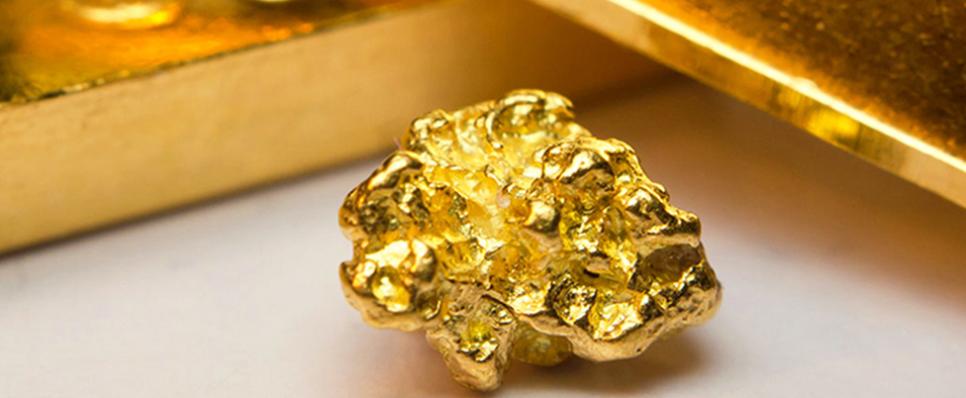
Complete Process Summary — Importing Gold from Africa to China Step by Step
- Step 1: Source certified gold from a licensed African exporter — confirm DGSM/Minerals Commission/Mining Commission licensing and request the independent assay certificate before payment
- Step 2: Complete KYC/AML verification with the exporter — required under both African anti-money laundering law and Chinese financial regulations for significant transactions
- Step 3: Pay via SWIFT bank wire to the exporter’s verified corporate account; first-time buyers should request escrow
- Step 4: Exporter prepares the complete African export documentation package — permit, assay, certificate of origin, OECD report, tax clearance — typically 3–5 business days
- Step 5: Gold is shipped via Brinks or Malca-Amit from the African departure airport to a Chinese port (typically Shanghai), with full declared-value insurance
- Step 6: Chinese customs clearance under HS code 7108.12, using the commercial invoice and supporting documentation prepared in Africa
- Step 7: If importing unrefined doré, the gold is processed at an SGE-accredited Chinese refinery to 999.9 fine 1kg kilobar standard
- Step 8: Refined gold is delivered to the buyer, sold via the SGE International Board, or transferred to the buyer’s preferred Chinese vault or trading account
For certified African gold bars already refined to 999.9 fine LBMA standard — eliminating the need for further Chinese refinery processing — browse Africa Gold Suppliers’ gold bullion for sale or our buy gold bullion online page.
Import Certified African Gold to China — Africa Gold Suppliers Ltd
Africa Gold Suppliers Ltd is a licensed African gold exporter providing certified gold bars, doré, and nuggets with full export documentation ready for import to China — including independent assay certification, OECD conflict-free reports, and insured Brinks/Malca-Amit delivery to Shanghai and other major Chinese ports.
Browse our buy gold bars from Africa · gold bullion for sale · buy gold bullion online · buy gold from local miners · Contact us at africagoldsuppliers.com/contact/ for a live quote and shipping timeline to China.
Related Pages — Africa Gold Suppliers Ltd
- Africa Gold Suppliers Ltd — Home Page
- Buy Gold Bars from Africa — Certified 24K Stock
- Gold Bullion for Sale
- Buy Gold Bullion Online
- Buy Gold from Local Miners
- Buy Gold in Uganda
- Buy Gold in Congo — Certified Conflict-Free DRC Gold
- Buy Gold Bullion from Mwanza, Tanzania
- Gold Price in Ghana
- Gold Price in Tanzania
- Buy Gold and Silver in South Africa
- Buy Gold in Dubai
- Buy Gold Online in Switzerland
- Buy Gold Online in Canada
- Buy Gold Online in Netherlands
- Buy Gold in Uganda from USA
- Buying Gold in Malaysia from Africa
- Buy Gold in Vietnam from Africa Online
- Buying Gold Online in Africa from Kazakhstan
- Buying Gold Coins
- Our Services — Export Documentation & Delivery
- About Africa Gold Suppliers Ltd
- Contact Us — Live Gold Quote