How to Buy Gold from Miners in Ghana: Complete 2026 Guide
How to buy gold from miners in Ghana is one of the most commercially important questions in African precious metals trading — and in 2026, it requires understanding a fundamentally transformed regulatory landscape that changed everything from May 1, 2025 onwards.
Ghana produced over 140 metric tonnes of gold in 2024 and is Africa’s leading gold exporter in 2025, with ASM (artisanal and small-scale mining) sector exports alone reaching approximately 66.7 tonnes worth US$6.3 billion by August 2025 — extraordinary figures driven by the Ghana Gold Board Act (GoldBod Act 1140) that now governs every legal gold transaction in the country.
Whether you are a foreign gold buyer looking to purchase gold from Ghanaian miners, an international investor seeking to source gold directly from Ghana’s Ashanti Belt, or a commercial buyer asking whether direct purchases from artisanal miners are still permitted — this comprehensive 2026 guide gives you every fact, every legal requirement, and the safest, most compliant pathway for buying gold from miners in Ghana legally and profitably.
The Critical 2025 Regulatory Change — GoldBod Replaced Everything
The most important fact for anyone trying to buy gold from miners in Ghana in 2026: The entire framework for purchasing ASM gold in Ghana changed fundamentally on May 1, 2025.
On 2 April 2025, Ghana adopted the Ghana Gold Board Act (Act 1140), 2025, establishing the Ghana Gold Board (GoldBod) as the sole buyer, assayer, exporter, and regulator of gold in Ghana. From 1 May 2025, any gold trading or export outside the GoldBod system is a criminal offence.
What this means for buyers trying to purchase gold from Ghanaian miners directly:
All previous licences issued by PMMC (Precious Minerals Marketing Company) or the Ministry of Lands and Natural Resources expired on 30 April 2025 and are now completely invalid. Under the GoldBod framework, no person other than GoldBod or a licensed buyer, aggregator, or service provider of GoldBod is permitted to purchase or deal in gold from artisanal and small-scale miners in Ghana.
Foreign buyers specifically: All foreigners were notified to exit the local gold trading market by 30 April 2025. A foreigner may however apply to GoldBod to buy or off-take gold directly from GoldBod — not directly from individual miners.
This is not a technicality. It is the fundamental architecture of Ghana’s entire gold trading system in 2026, and violating it carries criminal penalties including fines, imprisonment, and confiscation of gold and assets.

Can You Still Buy Gold from Miners in Ghana in 2026?
The direct answer: Individual foreign buyers can no longer walk into Ghana’s mining regions and buy gold directly from artisanal miners. That model ended on 30 April 2025.
However, buying high-quality Ghanaian miners’ gold is absolutely still possible — through the correct legal pathways:
Pathway 1: GoldBod Off-Take Agreement (Foreign Buyers)
Foreigners are not banned from gold trading but must now comply by registering as an off-taker — purchasing gold directly from GoldBod’s certified pool. Under this arrangement:
- You apply to GoldBod at goldboard.gov.gh for off-taker registration
- GoldBod sources, assays, and certifies gold from licensed artisanal miners
- You purchase directly from GoldBod’s certified supply pool at GoldBod-published prices
- All documentation — assay certificate, certificate of origin, export permit — is GoldBod-issued
This pathway gives international buyers Ghana’s most legally compliant, best-documented gold — sourced from verified artisanal miners through the government framework.
Pathway 2: GoldBod Licensed Exporter Partnership
The most practical pathway for most international buyers is partnering with a GoldBod Licensed Gold Exporter (LGE) — a licensed Ghanaian company authorised to purchase from GoldBod, prepare export documentation, and sell to international buyers.
Buy Gold Bars Africa Ltd operates as a GoldBod-compliant supply partner for international buyers — sourcing gold through GoldBod-certified channels and providing the complete documentation package (GoldBod assay certificate, certificate of origin, export permit, commercial invoice) required for import compliance in the USA, UK, EU, UAE, and all other major markets.
Pathway 3: Become a GoldBod-Licensed Entity (Ghanaian Companies Only)
Under the Ghana Gold Board Act 2025, licences to purchase and deal in gold may be granted exclusively to Ghanaian citizens and wholly Ghanaian-owned companies. A Ghanaian company desirous of dealing in gold is encouraged to apply for a licence at the GoldBod head office in Accra (online at goldboard.gov.gh or in person from 22 April 2025).
Understanding Ghana’s Mining Regions — Where the Gold Comes From
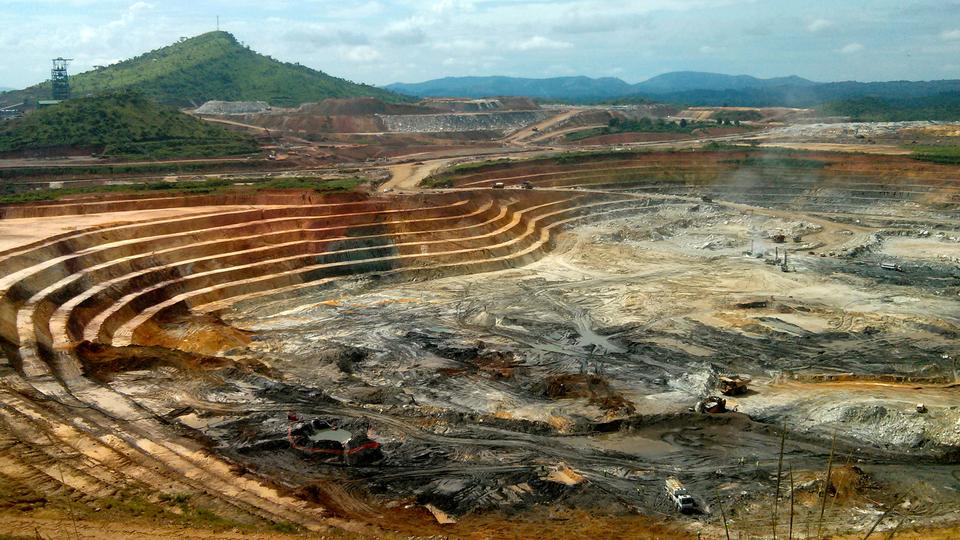
Ghana’s gold mining regions provide the supply that makes Ghana Africa’s leading gold exporter. Understanding these regions helps buyers understand the provenance of the gold they are purchasing:
The Ashanti Belt — Ghana’s Gold Heartland
The Ashanti Belt stretches from southwestern to central Ghana and is the most productive gold-bearing geological corridor in West Africa. It hosts Ghana’s largest mines (Obuasi, Konongo, Bibiani) and tens of thousands of artisanal miners working alluvial and hard-rock deposits.
Obuasi — home to AngloGold Ashanti’s Obuasi mine, one of Africa’s deepest and most productive gold operations. The surrounding region has significant artisanal mining activity that now feeds into GoldBod’s aggregation system.
Kumasi and surroundings — Ghana’s second city and the commercial heart of the Ashanti goldfields. The area’s gold markets have been transformed by GoldBod’s monopoly, with licensed aggregators now the only permitted intermediaries between miners and buyers.
Brong-Ahafo Region
The Brong-Ahafo region hosts major operations including Newmont’s Ahafo Mine and Asanko Gold Mine. Artisanal mining is widespread in the region’s river valleys and forest zones.
Western Region
The Western Region of Ghana includes Tarkwa, Damang, and Chirano — home to major industrial mines operated by Gold Fields, Kinross, and others. The region’s artisanal sector feeds GoldBod’s aggregation network.
Step-by-Step: How to Legally Buy Gold from Ghana’s Mining Sector in 2026
For international buyers who want to purchase gold from Ghana’s artisanal and small-scale mining sector through the correct 2026 legal framework:
Step 1 — Understand Your Legal Status as a Buyer
Are you a foreign national or foreign company? If yes, you cannot directly purchase from Ghanaian artisanal miners. Your options are: (a) register as a GoldBod off-taker, or (b) partner with a GoldBod-compliant Licensed Gold Exporter like Africa gold suppliers Ltd.
Are you a Ghanaian citizen or wholly Ghanaian-owned company? Apply for a GoldBod licence at goldboard.gov.gh. Licences allow you to purchase from GoldBod-certified aggregators who source directly from licensed miners.
Step 2 — Register Your Business and Complete KYC
Whether applying as a GoldBod off-taker or engaging a licensed exporter, you must provide complete KYC documentation:
- Company registration certificate (for corporate buyers)
- Passport and proof of address (all directors)
- Tax Identification Number from Ghana Revenue Authority (GRA)
- Proof of financial capability (bank statements or audited financials)
- Beneficial ownership declaration
Ghana’s AML framework — aligned with FATF standards — requires full KYC documentation for all significant gold transactions. Incomplete KYC leads to immediate rejection of purchase applications.
Step 3 — Engage a GoldBod-Licensed Supply Partner
For most international buyers, the most efficient pathway is engaging a GoldBod-licensed supplier who manages the complete procurement, documentation, and export process on your behalf. A reliable supply partner:
- Sources gold through GoldBod-certified aggregators who work directly with licensed miners
- Obtains GoldBod assay certification confirming exact purity and weight
- Procures the GoldBod export permit authorising international shipment
- Provides the complete documentation package before any payment is requested
Africa gold suppliers Ltd performs all of these functions for international buyers of Ghanaian gold — providing a fully documented, GoldBod-compliant gold supply from Ghana’s mining sector at 1–2% above LBMA spot.
Step 4 — Demand and Verify Complete GoldBod Documentation
Every legitimate purchase of gold from Ghana’s mining sector in 2026 must include the following verified documents:
| Document | Issuing Authority | What It Confirms |
|---|---|---|
| GoldBod Assay Certificate | GoldBod-accredited assay centre | Exact purity and weight |
| GoldBod Certificate of Origin | Ghana Gold Board (GoldBod) | Legal Ghanaian provenance |
| GoldBod Export Permit | Ghana Gold Board (GoldBod) | Legal authorisation to export |
| GRA Tax Clearance | Ghana Revenue Authority | All taxes paid |
| Commercial Invoice | Licensed exporter | Transaction value and terms |
| Packing List | Licensed exporter | Shipment contents |
Critical 2026 note: Any documentation stamped with PMMC (Precious Minerals Marketing Company) for ASM gold transactions dated after 30 April 2025 is invalid. Insist on GoldBod documentation exclusively.
Step 5 — Commission an Independent Assay
Before releasing any payment, commission an independent assay from SGS, Bureau Veritas, or a GoldBod-accredited independent laboratory — selected and booked by you, not the seller. The independent assay confirms:
- Exact gold percentage (fineness, typically 999.9 for refined bars)
- Exact weight in grams to three decimal places
- Silver and trace metal content
- A unique reference number you can verify directly with the lab
Step 6 — Secure Payment via Institutional Channels
All payments for Ghanaian gold purchases must flow through verifiable, AML-compliant banking channels. SWIFT bank wire to verified business accounts is the standard. GoldBod’s framework specifically requires that export proceeds be repatriated through Bank of Ghana-approved commercial banks — all payment records must be maintained for regulatory compliance.
Never use Western Union, MoneyGram, or untraceable cryptocurrency. These are fraud signals in every legitimate gold transaction in Ghana.
Step 7 — Arrange Specialist Export and Shipping
Once GoldBod export documentation is complete:
- Gold is delivered to Kotoka International Airport (KIA), Accra — Ghana’s primary gold export hub
- GRA customs at the assay centre inspects and seals the gold with official customs seal
- Specialist precious metals carriers (Brinks, DHL Express, Malca-Amit) transport from KIA to destination
- Full specialist precious metals insurance at declared value covers the entire transit
Types of Gold Available from Ghana’s Mining Sector
Ghana’s artisanal and small-scale mining sector produces several forms of gold, each appropriate for different buyer types:
Refined 24K Gold Bars (999.9 Fineness)
The most popular form for international investment buyers. Refined by GoldBod-accredited refineries including Gold Coast Refinery (Accra) and Sahara Royal Gold Refinery to 99.9%–99.99% purity. Available in 1g, 5g, 10g, 50g, 100g, 1oz, and 1kg bar formats. Carries GoldBod assay certification accepted internationally.
Gold Doré Bars (70–96% Gold)
Semi-refined doré bars from artisanal mining operations — typically 70–96% gold and 2–10% silver with trace metals. Suitable for buyers with in-house refining capability or buyers supplying to refineries (Royal Canadian Mint, Asahi Refining, Rand Refinery). Priced below refined bar rates reflecting required additional processing.
Gold Nuggets (92–98% Fineness)
Natural gold nuggets from Ghana’s alluvial deposits — particularly from the Ashanti Belt river systems. Prized by collectors, numismatists, and jewellery manufacturers. Purity typically 92–98% depending on geological source.

Gold Dust and Alluvial Gold
Fine gold particles from artisanal panning and sluicing operations. Requires assaying and refining before investment use. The most affordable entry point by weight but requires additional processing costs.
Ghana Gold Prices — What to Expect to Pay in 2026
Ghana gold prices in 2026 are referenced to the international LBMA spot price with local premiums reflecting artisanal mine sourcing, GoldBod processing fees, and export costs:
At May 2026 gold prices of approximately $143–$152 per gram (24K), or GHS 1,644–1,842 per gram (at 1 USD = 11.45 GHS), Ghana’s gold is priced:
- Refined 24K bars through GoldBod-licensed exporters: LBMA spot + 1–5% premium
- Gold doré: LBMA spot equivalent for gold content, minus refining costs
- Gold nuggets: Variable premium reflecting collector/jewellery demand
Ghana’s gold export charges total approximately 6–10% of gold value including royalties (5% ad valorem), export levies (1–3%), assaying fees (0.1%), and licensing/processing costs.
Common Mistakes When Trying to Buy Gold from Miners in Ghana
Avoid these critical errors that result in financial loss, legal prosecution, or gold confiscation:
Mistake 1: Attempting to buy directly from miners under the old PMMC framework. PMMC licences for ASM gold are void since 30 April 2025. Any dealer still presenting PMMC documentation for 2025–2026 transactions is operating illegally.
Mistake 2: Dealing with unlicensed intermediaries claiming “direct miner access.” Under GoldBod Act 1140, only GoldBod itself and GoldBod-licensed aggregators may purchase from artisanal miners. Any “intermediary” claiming direct miner access without GoldBod authorisation is either operating illegally or fraudulently.
Mistake 3: Paying advance fees before documentation review. No advance payment should ever be made before reviewing and independently verifying the complete GoldBod documentation package.
Mistake 4: Accepting prices dramatically below current market. At $143–$152/gram for 24K in May 2026, any offer significantly below $120/gram for claimed 24K Ghanaian gold is a fraud indicator.
Mistake 5: Using unverifiable payment methods. Every payment must be via SWIFT bank wire to verified business accounts — not Western Union, personal crypto, or informal channels.
Africa gold suppliers Ltd — Your Most Trusted GoldBod-Compliant Ghana Gold Partner
Buy Gold Bars Africa Ltd is the international buyer’s most trusted, most documented, and most competitively priced partner for purchasing gold from Ghana’s mining sector in 2026.
We operate within Ghana’s GoldBod framework. We source through GoldBod-certified aggregators who work directly with licensed artisanal miners across the Ashanti Belt, Brong-Ahafo, and Western Region. We provide the complete GoldBod documentation package. We price at 1–2% above LBMA spot. We accept escrow. We deliver insured worldwide.
Here is specifically what you receive when buying Ghanaian miners’ gold through Africa gold suppliers Ltd:
GoldBod-compliant documentation. Our GoldBod LGE (Licensed Gold Exporter) registration is verifiable directly at goldboard.gov.gh. We provide our registration number upfront and invite every buyer to verify with GoldBod directly.
Independent SGS or Bureau Veritas assay. Every consignment carries assay certification from an internationally accredited laboratory you can verify independently. Not our own test — genuinely third-party.
Transparent, current pricing. Our gold prices are LBMA-spot-referenced, stated explicitly in USD and GHS, and disclosed before any commitment. No hidden processing fees, no unexpected “export charges” appearing after agreement.
Insured international delivery. Via Brinks or DHL Express — fully insured at declared value with GPS tracking from Kotoka International Airport to your door.
24/7 direct access. WhatsApp, email, or phone. Any hour. Any time zone.
Contact Africa Gold Suppliers Ltd for your Ghana gold purchase.
FAQs — How to Buy Gold from Miners in Ghana
Can foreigners buy gold from miners in Ghana in 2026? Not directly. Under the GoldBod Act 1140 (2025), foreigners must either register as a GoldBod off-taker purchasing from GoldBod’s certified pool, or partner with a GoldBod Licensed Gold Exporter (LGE) like Africa gold suppliers Ltd.
Is PMMC documentation still valid for Ghana gold purchases? No. All PMMC licences for ASM gold transactions expired on 30 April 2025 and are completely invalid. Only GoldBod documentation is accepted for any 2025–2026 Ghanaian ASM gold transaction.
How much does gold from Ghanaian miners cost in 2026? At May 2026 LBMA spot of approximately $143–$152/gram for 24K (GHS 1,644–1,842/gram), refined gold through GoldBod-compliant channels is priced at 1–5% above spot depending on bar format and quantity.
What documents should I receive when buying gold from Ghana? GoldBod Assay Certificate, GoldBod Certificate of Origin, GoldBod Export Permit, GRA Tax Clearance, Commercial Invoice, and Packing List. All GoldBod documents must be dated after 1 May 2025 to be valid.
How long does the Ghana gold purchasing and export process take? With complete documentation pre-prepared: approximately 3–5 business days for GoldBod export permit and GRA clearance, plus 3–7 business days international delivery via Brinks or DHL Express. Total: approximately 7–12 business days from payment to delivery.
What is the penalty for buying gold illegally in Ghana? Under GoldBod Act 1140, exporting ASM gold without GoldBod authorisation is a criminal offence. Penalties include fines, imprisonment, and permanent confiscation of gold and business assets.