Lithium Price 2026: Current Rates, Market Trends & Complete Investor Guide
Lithium price has been one of the most dramatic and closely watched stories in the global commodities market over the past 18 months. After collapsing from its 2022 peak of over $80,000 per tonne to multi-year lows below $14,000 per tonne in late 2025, lithium prices have rebounded sharply in 2026 — with battery-grade lithium carbonate nearly doubling in just two months and hitting nearly three-year highs by May 2026.
Whether you are a battery manufacturer tracking lithium carbonate spot prices, an investor monitoring the lithium market outlook, a mining company planning production decisions, or simply someone researching the current price of lithium per tonne or per kilogram, this comprehensive guide gives you every data point, market driver, and forward-looking insight you need.
Current Lithium Price
The current lithium price varies significantly depending on the form of lithium (carbonate, hydroxide, or spodumene), grade (battery vs. industrial), and market (CIF CJK, EXW China domestic, or DDP Europe/USA).
Lithium Carbonate Price Today
Lithium carbonate prices in China rose past CNY 195,000–200,500 per tonne in May 2026 — the highest level in nearly three years — driven by strong EV demand and supply tightness following Zimbabwe’s export controls on raw lithium concentrates.
| Product | Market | Price (May 2026) |
|---|---|---|
| Lithium carbonate 99.5% battery grade | CIF China, Japan, Korea (CJK) | $20,000–$26,000/tonne |
| Lithium carbonate battery grade | EXW domestic China (CNY) | CNY 180,000–200,500/tonne |
| Lithium carbonate industrial grade | EXW domestic China | CNY 160,000–180,000/tonne |
| Lithium hydroxide monohydrate 56.5% LiOH | CIF CJK | $19,000–$25,000/tonne |
| Spodumene 6% Li2O | CIF China | $1,800–$2,200/tonne |
Prices are indicative and based on Fastmarkets, Benchmark Mineral Intelligence, and TradingEconomics data through May 20, 2026. Lithium prices are highly volatile and change daily.
Lithium Price Per Kilogram
| Form | Price Per kg (USD) |
|---|---|
| Lithium carbonate battery grade (CIF CJK) | $20–$26/kg |
| Lithium hydroxide battery grade (CIF CJK) | $19–$25/kg |
| Lithium metal 99.9% | $60–$80/kg |
| Lithium carbonate technical/industrial grade | $16–$20/kg |
Lithium Price History — From Peak to Crash to Recovery
Understanding the lithium price history is essential for contextualising where prices are today and where they might go.
2022 Peak: The Lithium Supercycle High
The lithium price peak in 2022 reached extraordinary levels — battery-grade lithium carbonate hit approximately $80,000–$85,000 per tonne in November 2022, driven by explosive EV demand growth, supply chain disruption from COVID-19, and speculative buying across the battery metals complex.
Spodumene prices simultaneously reached over $8,000 per tonne. The term “white gold” entered mainstream financial media to describe lithium’s extraordinary value trajectory.
2023–2025: The Lithium Price Crash
The lithium price crash that followed was equally dramatic. As new supply from Australia, Chile, and Argentina ramped up — and Chinese demand growth temporarily slowed amid EV subsidy changes — prices collapsed.
By December 2024 and early 2025, battery-grade lithium carbonate had fallen below $14,000 per tonne — a decline of more than 80% from the 2022 peak.
Many junior lithium mining projects were mothballed, exploration spending collapsed, and several high-profile lithium companies entered financial difficulty.
2026: The Lithium Price Recovery
The market turned decisively in Q4 2025 and accelerated into Q1 2026. Battery-grade lithium carbonate rebounded sharply from approximately $13,433 per metric tonne in early December 2025 to $26,278 by late January 2026 — a 95% increase in just two months. Several converging factors drove this recovery, which is detailed in the next section.
By May 2026, prices have consolidated somewhat from the January peak but remain significantly above 2025 lows, with Chinese domestic carbonate prices at CNY 180,000–200,500/tonne — the highest since late 2023.
What Is Driving Lithium Prices in 2026?
The 2026 lithium price rally has been driven by a convergence of supply and demand factors that analysts assess as more fundamentally supported than the 2022 speculative peak.
Supply-Side Drivers
Zimbabwe’s Export Controls: On February 25, 2026, Zimbabwe suspended exports of all raw minerals and lithium concentrates with immediate effect, accelerating a previously planned ban scheduled for 2027 as the country pushes for greater domestic value-added processing.
Zimbabwe is forecast to supply 124,000 tonnes of LCE in 2026 — around 7% of global output — and accounts for about 15% of China’s spodumene imports.
This supply shock immediately tightened China’s lithium concentrate import availability and was a major catalyst for the February 2026 price surge.
Mine Closures and Curtailments: The 2023–2025 price crash forced significant production cutbacks across the industry. Many Australian and South American mines reduced output or entered care-and-maintenance. This supply curtailment created structural tightness that is now feeding through into 2026 prices.
Inventory Destocking: Analysts pointed to low inventories in China, now at their weakest levels since mid-2024, which has positioned the lithium market to be increasingly sensitive to shifts in demand. Low inventory buffers amplify any supply disruption or demand uptick into immediate price movement.
Mine Restart Lag: Restarting curtailed lithium mines takes time — typically 6–18 months from the decision to reopen to meaningful production. Even as prices recover and incentivise restarts (Mineral Resources announced the restart of its Bald Hill lithium mine following 18 months of suspension), the supply response is not immediate enough to immediately cap prices.
Demand-Side Drivers
EV Growth Continues: Chinese new energy vehicle (NEV) output rose 5.5% year-on-year to 1.32 million units in April 2026, with sales rising 9.7% to 1.34 million units.
China’s commitment to double national EV charging capacity to 180 gigawatts by 2027 signals sustained structural lithium demand.
Energy Storage System (ESS) Demand: Battery storage for grid-scale energy management is the fastest-growing new demand category for lithium. Chinese investment in power infrastructure and Western grid expansion programmes are creating additional lithium demand alongside EVs.
Data Center and Tech Infrastructure: US-based companies are linking battery manufacturing ambitions to the rapid expansion of data center infrastructure — creating new demand channels for lithium battery technology beyond traditional automotive applications.
Market Sentiment and Futures Activity
CME lithium hydroxide futures contracts achieved record weekly trading volume of 8,296 tonnes in the first full week of 2026, up from the previous high of 6,366 tonnes in February 2025.
This surge in futures activity reflects both genuine commercial hedging demand and speculative positioning — a combination that amplifies price moves in either direction.
Lithium Price Forecast 2026 and Beyond
Lithium price forecasts have been significantly revised upward following the Q1 2026 rally.
Short-Term (Mid-2026)
Broker Bell Potter lifted its spodumene price forecast to US$1,750 per tonne by year-end 2026, up 89% from its previous estimate of US$925. More bullish projections call for spodumene prices to peak around US$3,250 in 2026.
For lithium carbonate, most analyst consensus targets sit in the $20,000–$30,000/tonne range through mid-2026, with downside risk if new supply comes online faster than expected.
Risks to the Bullish Lithium Price Outlook
Supply Response Catches Up: As prices recover, mothballed mines restart and new projects advance. If supply grows faster than demand, prices could pull back from current levels.
EV Demand Softness: Weak EV sales data in early 2026 outside China created caution about the durability of the demand recovery. Any slowdown in EV adoption could weigh on lithium prices.
Battery Chemistry Evolution: Solid-state batteries and lithium-iron-phosphate (LFP) cathode formulations use different quantities and forms of lithium than traditional NMC batteries. Chemistry shifts can affect which forms of lithium (carbonate vs. hydroxide) command the highest premiums.
Chinese Domestic Production: China continues to develop domestic lithium processing and brine extraction capabilities that could reduce import dependency over the medium term.
Lithium Price by Form — Understanding the Key Products
Lithium Carbonate Price
Lithium carbonate (Li₂CO₃) is the most widely traded form of processed lithium, serving as both a battery precursor and an industrial chemical. The lithium carbonate price is the primary benchmark for the battery metals market and the basis for most lithium futures contracts on CME, SGX, ICE, and GFEX.
Battery-grade lithium carbonate (99.5% Li₂CO₃ minimum) is used in the production of LFP cathode active materials — the chemistry powering the majority of Chinese EVs. The current lithium carbonate battery grade price is approximately $20,000–$26,000/tonne CIF CJK as of May 2026.
Industrial-grade lithium carbonate (lower purity, used in ceramics, glass, and pharmaceuticals) trades at a discount to battery grade — currently approximately $16,000–$20,000/tonne in China.
Lithium Hydroxide Price
Lithium hydroxide monohydrate (LiOH·H₂O) is the preferred lithium precursor for high-nickel NMC and NCA cathode active materials — the chemistry used in premium EV batteries from Tesla, Panasonic, and leading Korean battery makers. The lithium hydroxide price typically trades in close proximity to lithium carbonate, with a premium or discount depending on market conditions.
The current lithium hydroxide price is approximately $19,000–$25,000/tonne CIF CJK as of May 2026.
Spodumene Price
Spodumene is the most important lithium-bearing hard-rock mineral, mined primarily in Australia, Brazil, and increasingly Africa. It is the upstream input for most battery-grade lithium chemical production. The current spodumene price is approximately $1,800–$2,200/tonne CIF China at 6% Li₂O grade — up dramatically from its 2025 lows of around $700–$800/tonne.
Lithium Metal Price
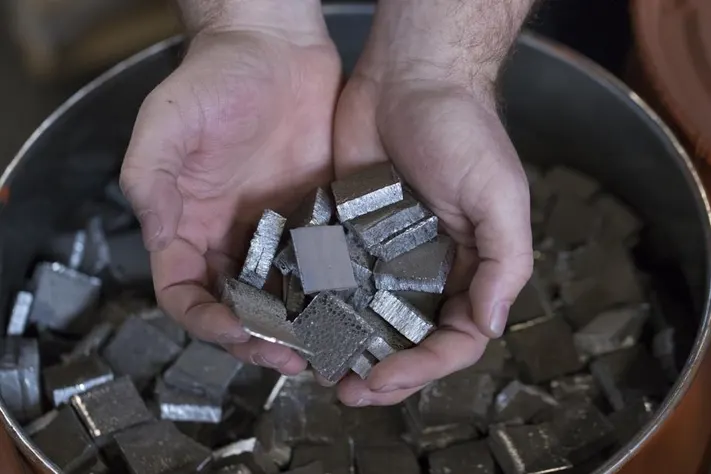
Lithium metal (99.9%+ purity) is used in specialty batteries, pharmaceutical applications, and increasingly in next-generation solid-state battery research. The current lithium metal price is approximately $60–$80/kg — significantly higher per kilogram than carbonate or hydroxide due to the energy-intensive processing required.
Lithium Pricing Benchmarks — How Is Lithium Priced?
Unlike gold or copper, lithium does not trade on a major spot exchange with a single transparent global price. Instead, lithium pricing is assessed and published by specialist price reporting agencies:
Fastmarkets — publishes the flagship benchmark lithium carbonate spot price CIF CJK (USD/kg) used to settle CME lithium carbonate futures. Also publishes EXW China (RMB/tonne) and DDP Europe/North America delivered benchmarks.
Benchmark Mineral Intelligence (BMI) — independent lithium price assessments used by many long-term supply contracts.
GFEX (Guangzhou Futures Exchange) — Chinese exchange-traded lithium carbonate futures; the most liquid lithium futures market globally. GFEX prices are the primary reference for Chinese domestic lithium carbonate.
Platts (S&P Global) — additional price assessments covering spot and forward lithium markets.
Most commercial lithium supply contracts are indexed to one or more of these benchmark prices, with a negotiated premium or discount reflecting grade, location, payment terms, and relationship factors.
Lithium vs. Other Battery Metals — Price Comparison May 2026
| Metal | Form | Current Price (May 2026) | YTD Change |
|---|---|---|---|
| Lithium carbonate | Battery grade, CIF CJK | $20,000–$26,000/tonne | +90% from Dec 2025 lows |
| Lithium hydroxide | Battery grade, CIF CJK | $19,000–$25,000/tonne | +85% from Dec 2025 lows |
| Cobalt | Standard grade | ~$33,000–$35,000/tonne | +12% YTD |
| Nickel | LME cash | ~$15,500–$16,500/tonne | -5% YTD |
| Copper | LME grade A | ~$9,800–$10,200/tonne | +8% YTD |
| Manganese sulphate | Battery grade | ~$350–$450/tonne | Stable |
Lithium’s 2026 recovery makes it the standout performer among battery metals year-to-date — reflecting how much more deeply it fell during the 2023–2025 downturn relative to other commodities.
Where Is Lithium Produced? Key Producing Countries and Regions
Understanding lithium production geography is essential for tracking supply-side price drivers.
Australia — the world’s largest spodumene producer. Key operations include Greenbushes (Albemarle/Tianqi), Wodgina (Albemarle/MRL), and Mt Holland (SQM/Wesfarmers). Australian production was significantly curtailed in 2023–2025 but is recovering as prices improve.
Chile — the world’s largest lithium brine producer. SQM and Albemarle operate on the Atacama salar. Chile’s lithium industry is undergoing nationalisation processes that create medium-term supply uncertainty.
Argentina — the fastest-growing lithium brine jurisdiction. Numerous projects are in development or early production across the Lithium Triangle.
China — significant domestic lithium resources (brine and lepidolite), plus the world’s dominant lithium chemicals processing industry. China processes the majority of global lithium regardless of where it is mined.
Zimbabwe — Africa’s largest lithium producer, with the Arcadia and Bikita mines. Zimbabwe’s February 2026 export ban on raw concentrates was a significant supply shock to global markets.
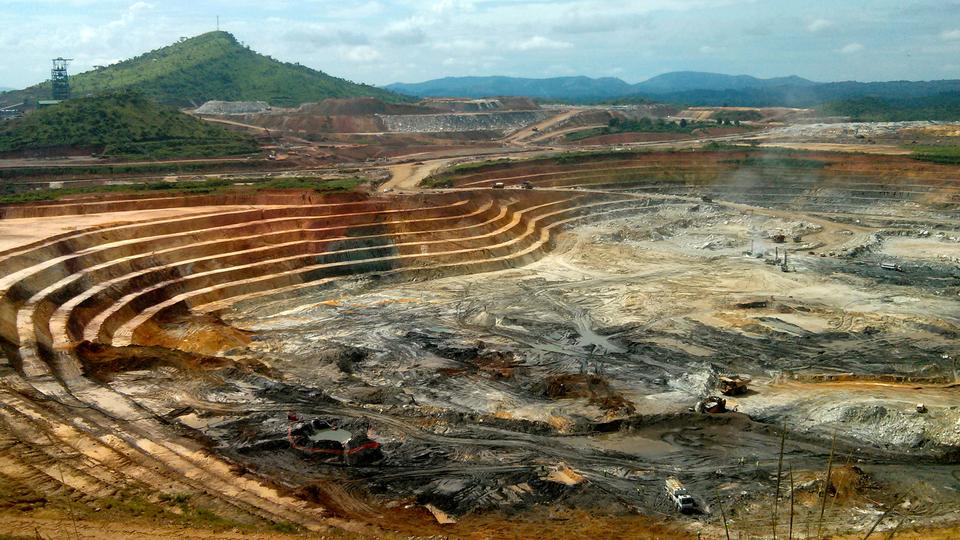
Democratic Republic of Congo — hosts the Manono-Kitolo project, potentially one of the world’s largest lithium deposits. Development progress stalled by legal disputes but remains one of the most watched potential supply additions to the global lithium market.
Brazil — Latin America’s third lithium jurisdiction, with Sigma Lithium’s Grota do Cirilo project producing battery-grade spodumene.
Who Buys Lithium? Key Demand Sectors
Electric Vehicle Batteries (dominant demand driver): EV batteries account for over 70% of lithium demand. Every EV battery requires between 5–10 kg of lithium content (as carbonate equivalent) depending on chemistry and size. As global EV penetration grows, lithium demand grows proportionally.
Energy Storage Systems (fastest-growing sector): Grid-scale battery storage using LFP chemistry is the second-largest and fastest-growing demand category. Chinese infrastructure investment and Western grid decarbonisation programmes are driving sustained growth.
Consumer Electronics: Smartphones, laptops, and portable devices use lithium-ion batteries — a large but slower-growing demand category relative to EVs and storage.
Industrial Applications: Ceramics, glass, lubricants, and pharmaceuticals use industrial-grade lithium carbonate and hydroxide. These applications provide a demand floor regardless of EV cycle fluctuations.
FAQs About Lithium Prices
What is the current price of lithium per tonne? As of May 2026, battery-grade lithium carbonate is approximately $20,000–$26,000 per tonne CIF China-Japan-Korea, and Chinese domestic carbonate is trading at CNY 180,000–200,500 per tonne — a nearly three-year high. Prices are volatile and change daily.
What is the lithium price per kilogram? Battery-grade lithium carbonate is approximately $20–$26 per kilogram (CIF CJK, May 2026). Lithium hydroxide is approximately $19–$25/kg. Lithium metal is $60–$80/kg.
Why is the lithium price going up in 2026? The recovery is driven by: Zimbabwe’s export ban on raw lithium concentrates removing ~7% of global supply, low inventory levels in China, sustained EV and ESS demand growth, and mine closures/curtailments from the 2023–2025 price downturn that reduced available supply.
What was the highest lithium price ever? The all-time high for battery-grade lithium carbonate was approximately $80,000–$85,000 per tonne in November 2022, during the peak of the first major lithium supercycle.
What is spodumene worth in 2026? Spodumene 6% Li₂O is currently priced at approximately $1,800–$2,200 per tonne CIF China — up from lows of $700–$800/tonne in 2025, and significantly below the $8,000+/tonne peak of 2022.
Where can I track live lithium prices? The most reliable sources for live lithium price data are Fastmarkets (fastmarkets.com), Benchmark Mineral Intelligence (benchmarkminerals.com), TradingEconomics (tradingeconomics.com/commodity/lithium), and GFEX futures prices for Chinese domestic carbonate.
What is the difference between lithium carbonate and lithium hydroxide prices? Both are battery-grade lithium precursors, priced in close proximity. Lithium carbonate is primarily used in LFP battery chemistry. Lithium hydroxide is the preferred input for high-nickel NMC/NCA batteries. The price spread between them reflects relative demand from these two battery chemistry pathways.
Lithium Price Outlook: Key Factors to Watch
For investors, buyers, and industry participants tracking the lithium price outlook through 2026:
Monitor Zimbabwe supply developments — the country’s export controls and transition to a processed-only export regime will remain a key variable influencing seaborne spodumene supply into China.
Watch Chinese EV and ESS demand data monthly — China’s NEV sales and grid storage deployment are the primary demand drivers. Any deceleration would weigh on prices; continued acceleration would support them.
Track mine restart timelines — Australian producers including Mineral Resources (Bald Hill restart), Pilbara Minerals, and Core Lithium are expected to incrementally add supply through H2 2026. This supply response will cap the upside.
Follow GFEX futures — Chinese lithium carbonate futures on the Guangzhou Futures Exchange provide the most real-time signal of market direction, moving ahead of physical spot prices.
The lithium market’s structural story — battery-powered electrification of transport and energy — remains intact and growing. After the excesses of 2022 and the painful overcorrection of 2023–2025, the 2026 recovery is bringing the market back toward a more sustainable equilibrium.