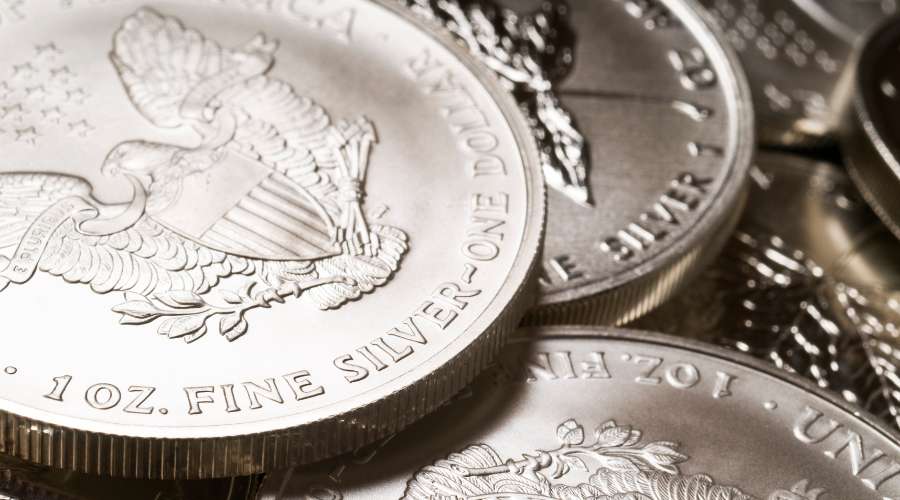
Silver Price per Gram Today: Live Rates & Buying Guide
What Determines the Silver Price per Gram?
The silver price per gram is influenced by several global factors. Supply and demand play a key role; when demand for industrial use or jewelry rises, prices tend to increase.
Mining and extraction costs also affect pricing since higher production costs can raise the market rate. Inflation and economic uncertainty often push investors toward silver, driving up prices.
Another critical factor is the US dollar’s strength, as silver is globally traded in USD. When the dollar weakens, silver becomes cheaper for foreign buyers, boosting demand and prices.
Other contributors include government reserves, market speculation, and geopolitical tensions. Understanding these factors helps investors and buyers make informed decisions when tracking or purchasing silver.
Historical Silver Prices per Gram: Trends Over the Last 50 Years
Silver has experienced dramatic price fluctuations over the past 50 years. In the 1970s, silver prices surged due to inflation and market manipulation by the Hunt brothers, peaking in 1980 at about $50 per ounce.
Prices fell sharply afterward but climbed steadily in the 2000s, driven by growing industrial demand and investor interest. The 2008 financial crisis pushed silver higher again as a safe-haven asset, peaking near $48 per ounce in 2011. Since then, prices have remained volatile, reflecting shifts in global demand, economic cycles, and monetary policies.
A historical view of silver prices highlights how economic crises, currency changes, and industrial innovation consistently impact its value, making it a fascinating commodity to study.
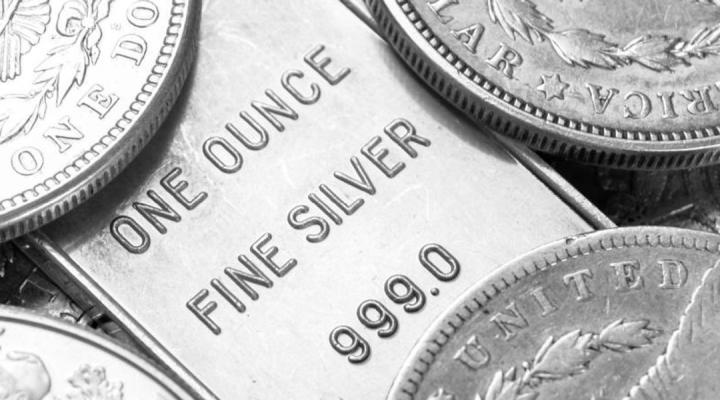
How to Check the Authenticity of Silver When Buying per Gram
When buying silver per gram, verifying authenticity is crucial to avoid counterfeits. Look for hallmark stamps indicating purity, such as .999 or Sterling (.925), on the item.
You can also perform a magnet test, since silver is not magnetic — if it sticks, it’s likely fake. The ice test is another quick method, as silver conducts heat rapidly, melting ice placed on it quickly.
Investing in a portable silver testing kit, which uses acid or electronic testers, gives reliable results. Always buy from reputable dealers who provide assay certificates.
If buying in bulk, consider professional appraisals. Taking these steps ensures that you pay a fair price for genuine silver, protecting your investment.
Silver Price per Gram vs per Ounce: What You Need to Know
Silver is commonly priced both per gram and per ounce, but many buyers are confused about the difference. One troy ounce equals 31.1035 grams, the standard unit for precious metals.
In many Western markets, silver is quoted per ounce, while Asian and Middle Eastern buyers often use grams. Understanding both units helps you compare prices across global markets.
When shopping, convert the price per ounce to per gram by dividing by 31.1035, and vice versa. Jewelry stores also use grams since it better suits smaller weights.
Knowing how to work with both units ensures you’re comparing apples to apples, avoiding overpayment and confusion when buying silver locally or internationally.
Best Places to Buy Silver per Gram Online and Offline
You can buy silver per gram from various trustworthy sources. Online, reputable dealers like JM Bullion, APMEX, and BullionVault offer competitive prices, secure shipping, and purity guarantees.
Auction platforms like eBay can also offer deals, but caution is needed due to potential scams. Offline, local jewelers, bullion shops, and coin dealers provide the advantage of inspecting silver before purchase.
Visiting trade shows or precious metal expos can also yield good deals and networking opportunities. Always ensure the seller is licensed and offers certified silver.
Whether buying online for convenience or offline for peace of mind, comparing prices and reading reviews helps you secure genuine silver at the best rate.
Best Places to Buy Silver in Africa
Africa offers many reputable places to buy silver — both as bullion and jewelry — thanks to its rich history in precious metals. Below are some of the best places to consider:
South Africa
South Africa is the top destination in Africa for buying silver, with a developed bullion market and trusted dealers.
-
Rand Refinery (Johannesburg) — renowned for refining and selling precious metals.
-
South African Mint — sells coins and silver collectibles.
-
Jewelry shops and bullion dealers in Cape Town and Johannesburg also offer competitive rates.
Egypt
Cairo’s famous Khan El Khalili Bazaar is a hotspot for authentic silver jewelry and decorative items. Shops here sell .925 sterling silver at reasonable prices.
Morocco
The medinas of Fez, Marrakech, and Casablanca are full of silversmiths selling handcrafted silver jewelry, trays, and tea sets — excellent for collectors and gifts.
Tanzania
Arusha and Dar es Salaam have several dealers offering silver jewelry and coins, often alongside gold and gemstones.
Silver Price per Gram in Different Countries
Silver prices per gram vary by country due to currency differences, local taxes, import duties, and demand levels. For example, silver might be cheaper in countries like India or Turkey compared to the USA or UK due to lower VAT or domestic production.
In Dubai, low taxes and strong bullion markets make it a popular spot for silver buyers. In contrast, European countries often impose added VAT, increasing final costs.
It’s also important to consider currency exchange rates—buying silver in a country with a weaker currency might offer cost benefits. Comparing international silver prices helps global buyers find the best deals while accounting for shipping and customs fees.
Silver Price in Africa
The silver price in Africa is influenced by the global spot price of silver, local taxes, import duties, and currency exchange rates. Since silver is traded internationally, the base price per gram or ounce is nearly the same everywhere, but local costs can vary significantly.
Below is a simple table showing approximate silver prices per gram in key African countries, including typical local variations due to taxes, import duties, and market factors. Prices are indicative and subject to change with global silver rates.
| Country | Approximate Silver Price per Gram (USD) | Notes |
|---|---|---|
| South Africa | $0.75 – $0.85 | Active bullion market, low premiums |
| Egypt | $0.80 – $0.95 | Silver jewelry common in bazaars |
| Morocco | $0.85 – $1.00 | Artisan silver items, higher premiums |
| Tanzania | $0.85 – $1.05 | Local dealers, some import taxes |
| Kenya | $0.80 – $1.00 | Growing bullion market, some VAT |
| Nigeria | $0.90 – $1.10 | Import duties and market premiums |
| Ghana | $0.85 – $1.05 | Local demand rising, moderate taxes |
Notes:
-
Prices fluctuate daily with global silver spot prices.
-
Local taxes, import duties, and dealer premiums affect final costs.
-
Always verify purity (usually .999 fine silver or sterling 925).
-
Buying in major cities tends to offer better prices and authenticity.