
How to Buy Gold Dust in Ghana Safely: Prices, Export Process & Trusted Gold Dealers
Learn how to buy gold dust in Ghana safely and legally. Discover gold prices, export procedures, payment methods, purity testing, and trusted Ghana gold suppliers.
What Is Gold Dust?
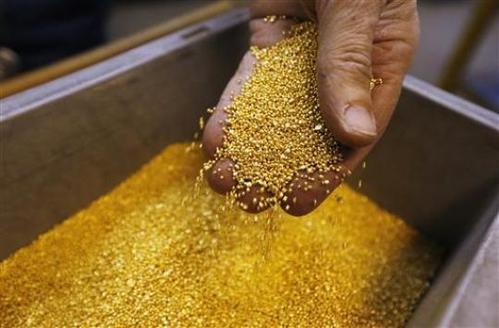
Gold dust consists of fine particles or flakes of gold recovered from alluvial (riverbed) or hard-rock mining. It differs from refined gold bars, which are smelted into standardized ingots for easier storage, trading, and investment. Dust requires processing (smelting/refining) and is often sold in raw or semi-processed form.
Common purity levels include:
- 24K: 99.9% pure gold — highest quality, ideal for investment and resale.
- 22K: 91.6% pure — common in West African gold dust, balances durability and purity.
- 18K: 75% pure — less common for raw dust but used in alloys.
Purity determines value. 24K commands premium pricing, while lower karats factor in alloy content. Buyers typically request assay reports confirming exact fineness.
Step-by-Step: How to Buy Gold Dust in Ghana
- Research and Find Trusted Ghana Gold Suppliers — Use verified directories, check Minerals Commission lists, and seek referrals. Avoid unsolicited offers.
- Request Assay Reports and Company Verification — Demand recent independent purity tests (XRF or fire assay) and proof of registration.
- Verify Licenses and Visit if Possible — Confirm LGE status, physical office, and mining sources. Preferred: registered with GoldBod/PMMC.
- Negotiate Terms — Discuss quantity, purity (e.g., 22K+), price (based on spot minus discount), and delivery.
- Sign a Formal Sales Agreement — Include all parties, specifications, payment terms, and dispute resolution.
- Arrange Inspection and Testing — Witness or third-party assay at approved facilities.
- Secure Payment — Use escrow, letters of credit (LC), or phased wire transfers. Never pay 100% upfront.
- Process Export Documentation — Supplier handles GoldBod assay, GRA clearance, and permits.
- Ship and Insure — Arrange insured air freight or secure courier to destinations like Dubai, USA, China, or India.
Minimum quantities vary but often start at 1-10 kg for dust, scaling up for better pricing.

Legal Requirements for Buying Gold Dust in Ghana
Buying gold legally is non-negotiable. Individuals cannot freely purchase and export; licensed entities handle transactions.
Key regulations (under Minerals and Mining Act 2006, Act 703, and updates via GoldBod):
- Foreign buyers typically work through Licensed Gold Exporters (LGEs) or registered companies.
- GIPC Registration for foreign entities.
- Gold Export License from the Minerals Commission or GoldBod.
- Assay certificates from accredited labs (often PMMC/GoldBod).
- Compliance with Ghana Revenue Authority (GRA) for taxes and customs.
Required documents often include company registration, tax clearance, export permits, invoices, packing lists, and certificates of origin. Violations can lead to seizures or penalties. Always verify supplier licenses.
Current Gold Pricing and Calculation
As of mid-2026, the international spot price hovers around $4,500–$4,700 per ounce (LBMA benchmark), subject to daily fluctuations from USD strength, geopolitics, and demand.
Gold dust pricing factors in:
- Spot price × purity percentage.
- Dealer premiums/discounts (often competitive in Ghana due to direct sourcing).
- Refining, export fees, and transport.
Prices are typically below retail in major hubs but include processing. Request live quotes from suppliers. Market volatility means locking in prices via contracts helps.
Why Ghana Stands Out for Gold Dust Purchases
Ghana is one of Africa’s leading gold-producing countries and consistently ranks among the top 10 globally. It produces around 130-140 metric tons annually, driven by both large-scale operations and artisanal mining.
International investors seek gold dust for sale in Ghana due to competitive pricing, high purity potential, and direct access to mining regions. Gold remains a stable store of value amid economic uncertainty, inflation hedging, and portfolio diversification.
Buying legally and safely is critical. Ghana has strengthened regulations through the Minerals Commission, Ghana Gold Board (GoldBod), and Precious Minerals Marketing Company (PMMC).
Illegal purchases risk scams, confiscation, or legal issues. Reputable Ghana gold suppliers ensure compliance, proper documentation, and secure export.
This guide covers everything: from understanding gold dust to step-by-step purchasing, legal requirements, scam avoidance, and why partnering with experienced firms like Africa Gold Suppliers Limited provides peace of mind.
Ghana’s Rich Gold Mining Heritage
Gold mining in Ghana dates back centuries, with pre-colonial trade routes carrying “dust” across West Africa. Modern commercial mining began in the late 19th century, notably at Obuasi. Today, Ghana leads Africa in production thanks to advanced operations and artisanal/small-scale mining (ASM).
Key gold-producing regions:
- Ashanti Region: Home to the iconic Obuasi mine (AngloGold Ashanti), one of the world’s richest deposits.
- Western Region: Tarkwa, site of Africa’s largest open-pit mine operated by Gold Fields.
- Other areas include Ahafo, Prestea, and various ASM sites.
Gold exports significantly boost Ghana’s economy, providing revenue, employment, and foreign exchange. Both large-scale companies and licensed ASM operators supply Ghana gold suppliers.
Gold Purity Testing Methods
Reputable suppliers use:
- XRF (X-ray Fluorescence): Non-destructive, quick handheld or bench testing.
- Fire Assay: Highly accurate traditional method melting samples.
- Laboratory Analysis: Full spectrometry for precise fineness.
- Visual/smelling/smelt tests as preliminary checks.
Always insist on sealed samples and witnessed testing.
Warning Signs of Gold Scams in Ghana
Gold scams in Ghana are common. Red flags include:
- Unrealistically low prices (far below spot).
- Pressure for upfront payments or “fees.”
- Fake permits, assay reports, or photos/videos.
- No physical office or verifiable registration.
- Requests to meet in hotels without licensed facilities.
Use only licensed dealers, verify via Minerals Commission/GoldBod, and consider escrow. PMMC warns buyers to use official assayers.
Secure Payment Methods
- Bank Wire Transfers: To verified corporate accounts.
- Escrow Services: Third-party holds funds until delivery/verification.
- Letters of Credit (LC): Bank-guaranteed, common for larger deals.
- Documentary collections for added security.
Secure methods protect both parties and comply with anti-money laundering rules.
Ghana Gold Shipping and Export Procedures
Once cleared:
- Air freight via secure carriers (e.g., Brinks, specialized couriers).
- Full insurance coverage.
- Customs declaration via ICUMS system.
- Export permits and seals.
Timelines: 1-4 weeks depending on volume and approvals. Common destinations: Dubai (refining hub), USA, China, India.
Why Choose us to Buy Gold in Ghana?
We stands out among African gold suppliers with years of experience in verified sourcing from Ghana and neighboring countries. We offer:
- Legally licensed operations and direct mine/refinery partnerships.
- Purity guarantees with full assay documentation.
- Secure export handling and worldwide delivery.
- Transparent pricing and dedicated customer support.
- Ethical, conflict-free gold focus.
Our team manages compliance, reducing risks for international clients.
FAQs- How to Buy Gold Dust in Ghana
Is buying gold dust in Ghana legal?
Yes, when done through licensed exporters with proper permits.
How much is gold dust in Ghana today?
Pricing tracks the ~$4,500+/oz spot, adjusted for purity and volume. Contact suppliers for live quotes.
Can foreigners buy gold in Ghana?
Yes, via registered companies and LGEs, with GIPC compliance.
How do I verify gold purity?
Use accredited lab assays (fire assay/XRF) witnessed or independently verified.
What documents are needed to export gold from Ghana?
Export license, assay certificate, invoice, packing list, GRA clearance, and certificate of origin.
Is Ghana gold real?
Genuine when sourced legally; always verify to avoid fakes.
What is the minimum purchase quantity?
Varies; smaller test orders possible, with better rates at scale.
Conclusion: Buy Safely and Legally
Purchasing gold dust in Ghana offers excellent opportunities but demands diligence, legal compliance, and trusted partners. Prioritize licensed Ghana gold suppliers, thorough verification, and secure processes to protect your investment.
For reliable sourcing, full documentation, competitive pricing, and secure global export, contact us today. Our expert team handles everything from assay to delivery, ensuring a smooth, transparent experience for buyers worldwide.