
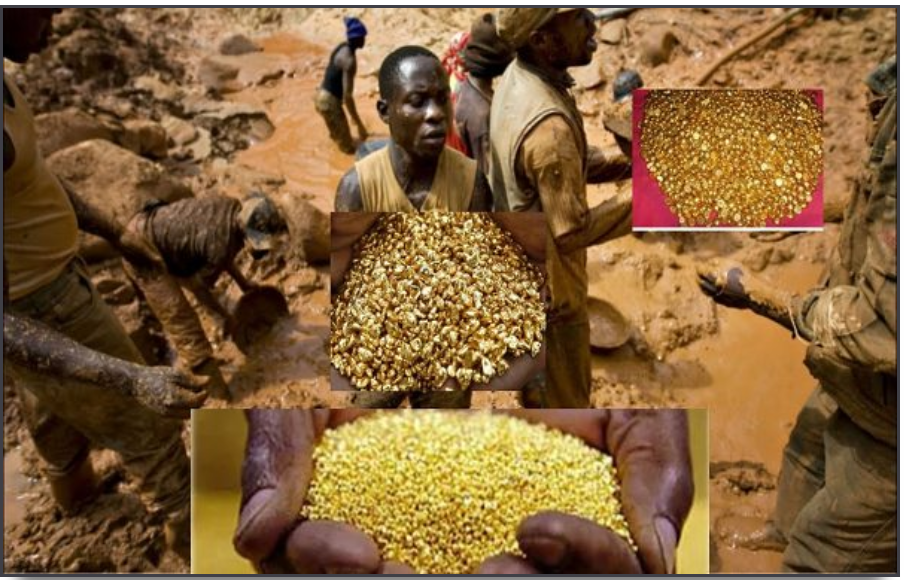
Buying Gold from Congo (DRC) 2026: Live Prices, Mines, Legal Guide & Compliance Warning
Gold from Congo: Complete 2026 guide to buying gold from the Democratic Republic of Congo — live prices in USD and CDF, top gold mines including Kibali, legal requirements, OFAC sanctions warning, step-by-step buying process, and how to source Congo gold safely. Updated May 2026.
Congo DRC Gold: A World-Class Resource at the Centre of Global Scrutiny
The Democratic Republic of Congo is home to extraordinary gold wealth — the Kibali mine alone is Africa’s largest gold mine by output, the country holds some of the continent’s richest artisanal mining regions, and DRC gold flows through supply chains that reach every major gold market on earth.
Total estimated DRC gold production exceeds 90 tonnes per year when artisanal, informal, and large-scale mining are combined — making it one of Africa’s most prolific gold-producing nations.
Yet in 2026, buying gold from the DRC requires more careful due diligence than almost any other gold-producing country. The ongoing civil war between the Sudanese Armed Forces and Rapid Support Forces — while specific to Sudan — intersects with DRC’s eastern conflict zones, where multiple armed groups including the M23, FDLR, and others have historically controlled artisanal gold mining operations.
The DRC’s own conflict between the Congolese Armed Forces (FARDC) and various rebel groups continues to affect gold-producing provinces in the east.
This 2026 guide provides fully updated gold prices in USD and CDF, comprehensive mine information, and the critical compliance warnings that every buyer of DRC gold must understand before transacting.
⚠️ 2026 Critical Compliance Warning: Gold sourced from rebel-controlled or armed-group-controlled mines in eastern DRC (North Kivu, South Kivu, Ituri under non-FARDC control) may be subject to US Treasury OFAC sanctions, EU conflict minerals regulations, and Dodd-Frank Section 1502 conflict minerals due diligence requirements. Always verify geographic sourcing of DRC gold before any transaction. See the full compliance section below.
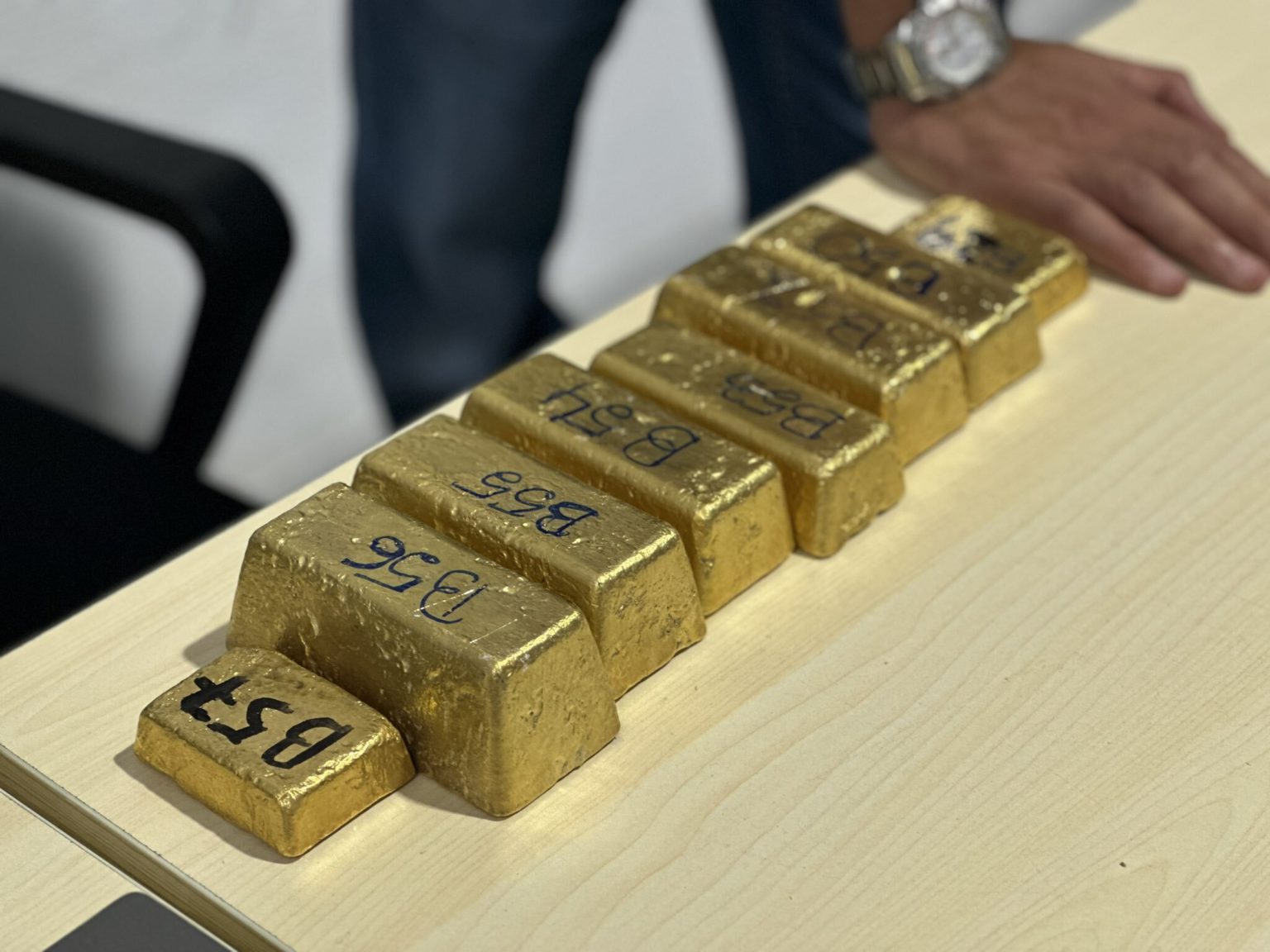
Congo Gold Price Today — Live Rates (May 2026)
As of May 8, 2026, gold prices in the DRC are calculated from the international LBMA spot price (~$4,720–$4,739 USD per troy ounce), converted to Congolese Francs (CDF) at the current exchange rate of approximately 2,327 CDF per USD.
Live Market Snapshot — May 8, 2026:
- LBMA gold spot price: ~$4,739 USD per troy ounce
- 24K gold per gram (USD): ~$152.36
- USD/CDF exchange rate: ~2,327 CDF (mid-market, May 2026)
- 24K gold per gram in CDF: ~CDF 354,500 – CDF 360,000
- 1-year gold price increase: +41% in USD terms; larger in CDF terms as CDF also strengthened
⚠️ The old article cited Congo gold at $108–$111/gram (based on 2025 data when gold was ~$3,400/oz and USD/CDF was ~2,880). Current May 2026 prices are approximately 37–40% higher in USD terms. Always request a live quote before any transaction.
Current Gold Price in Congo (DRC) — Full Pricing Table (May 2026)
24K, 22K and 18K Gold Prices in DRC (USD & CDF)
| Purity | Price/Gram (USD) | Price/Gram (CDF) | Price/kg (USD) | Price/kg (CDF) |
|---|---|---|---|---|
| 24K (99.9%) | $151 – $158 | CDF 351,300 – 367,700 | $151,000 – $158,000 | CDF 351M – 368M |
| 22K (91.6%) | $138 – $145 | CDF 321,100 – 337,400 | $138,000 – $145,000 | CDF 321M – 337M |
| 21K (87.5%) | $133 – $138 | CDF 309,500 – 321,100 | $133,000 – $138,000 | CDF 309M – 321M |
| 18K (75.0%) | $114 – $119 | CDF 265,300 – 276,900 | $114,000 – $119,000 | CDF 265M – 277M |
| 14K (58.5%) | $89 – $93 | CDF 207,100 – 216,400 | $89,000 – $93,000 | CDF 207M – 216M |
Gold Price by Weight — DRC (24K Reference, May 2026)
| Weight | Price (USD) | Price (CDF) |
|---|---|---|
| 1 gram | $151 – $158 | CDF 351,300 – 367,700 |
| 5 grams | $755 – $790 | CDF 1,756,500 – 1,838,300 |
| 10 grams | $1,510 – $1,580 | CDF 3,513,000 – 3,676,600 |
| 1 troy ounce (31.1g) | $4,700 – $4,915 | CDF 10,929,000 – 11,435,000 |
| 100 grams | $15,100 – $15,800 | CDF 35,130,000 – 36,766,000 |
| 1 kilogram | $151,000 – $158,000 | CDF 351M – 368M |
| 12.5kg (standard bar) | $1.89M – $1.98M | CDF 4.39B – 4.60B |
DRC vs International Gold Markets (May 2026)
| Market | 24K Price/Gram (USD) | Notes |
|---|---|---|
| DRC (formal channel) | $151 – $158 | SMRC-licensed, SAF-area mines |
| DRC (raw/artisanal) | $133 – $145 | Below refined price; dore/nuggets |
| Ghana (GoldBod) | $152 – $158 | GoldBod certified |
| Uganda (mine-direct) | $149 – $155 | Competitive East Africa |
| Switzerland (retail) | $153 – $160 | LBMA-certified, dealer premium |
| Dubai (retail) | $152 – $159 | DMCC regulated |
| London (LBMA) | $151.77 (spot) | Benchmark reference |
Gold Mines in Congo (DRC) — Complete 2026 Guide
1. Kibali Gold Mine — Africa’s Largest Gold Mine
The Kibali Gold Mine in Haut-Uélé Province (northeastern DRC) is the anchor of Congo’s formal gold mining sector and Africa’s largest gold mine by annual output. In 2025, Kibali produced approximately 673,000 ounces of gold — the equivalent of roughly 21 tonnes — from a single operation.
Key facts:
- Operator: Barrick Mining Corporation (45%), AngloGold Ashanti (45%), SOKIMO (10%)
- Location: Haut-Uélé Province, ~220 km east of Isiro, ~150 km west of Uganda border
- 2025 production: ~673,000 oz
- 2026 guidance: 600,000–688,900 oz
- Reserve base: 8+ million ounces remaining; life of mine through 2037+
- Revenue (2025): $2.31 billion consolidated
- Renewable energy: 85%+ from hydropower and solar — Africa’s greenest large mine
- In-country investment: $6.3+ billion since commissioning in 2013
Kibali’s gold flows through formal international channels via Kinshasa and certified refineries. This is the DRC’s gold with the cleanest documentation and compliance profile.
2. Twangiza Gold Mine — South Kivu Province
The Twangiza Mine in South Kivu Province is operated by Bisie Mining SA. It is one of the DRC’s notable formal sector mines but operates in a geographically sensitive area closer to conflict zones than Kibali.
- Location: South Kivu Province
- Production: Approximately 50,000–80,000 oz/year
- Status: Operating but requires enhanced compliance monitoring for conflict minerals
3. Namoya Gold Project — Maniema Province
Located in Maniema Province, this gold project has seen significant artisanal mining activity alongside exploration by formal mining companies.
- Location: Maniema Province (central-eastern DRC)
- Status: Artisanal mining active; formal development underway
- Compliance note: Maniema Province is outside the primary conflict zones, but buyers should still verify chain-of-custody
4. Durba/Kilo-Moto Goldfields — Historically the Richest
The Kilo-Moto goldfields around Durba (from which the Kibali mine takes its location identity) represent one of Africa’s most historically significant gold-producing zones, with mining stretching back to Belgian colonial era in the early 20th century.
SOKIMO (Société Minière de Kilo-Moto), the DRC state mining entity and 10% Kibali partner, holds concessions across this zone.
5. Artisanal Mining (ASGM) — The Dominant Sector by Volume
Artisanal and small-scale mining (ASGM) accounts for approximately 83% of DRC’s total declared gold production in 2024 data. Hundreds of thousands of artisanal miners operate across Ituri, North Kivu, South Kivu, Maniema, and Haut-Uélé provinces.
ASGM produces raw gold nuggets, gold dust, and dore bars that feed into both formal export channels and the substantial informal economy.
The compliance challenge with ASGM gold: ASGM in eastern DRC’s conflict-affected provinces (North Kivu, South Kivu, Ituri under non-FARDC control) has historically been controlled or taxed by armed groups.
This gold enters international supply chains through informal trading networks, frequently without documentation. Buying gold of uncertain DRC origin carries significant legal and reputational risk for international buyers.
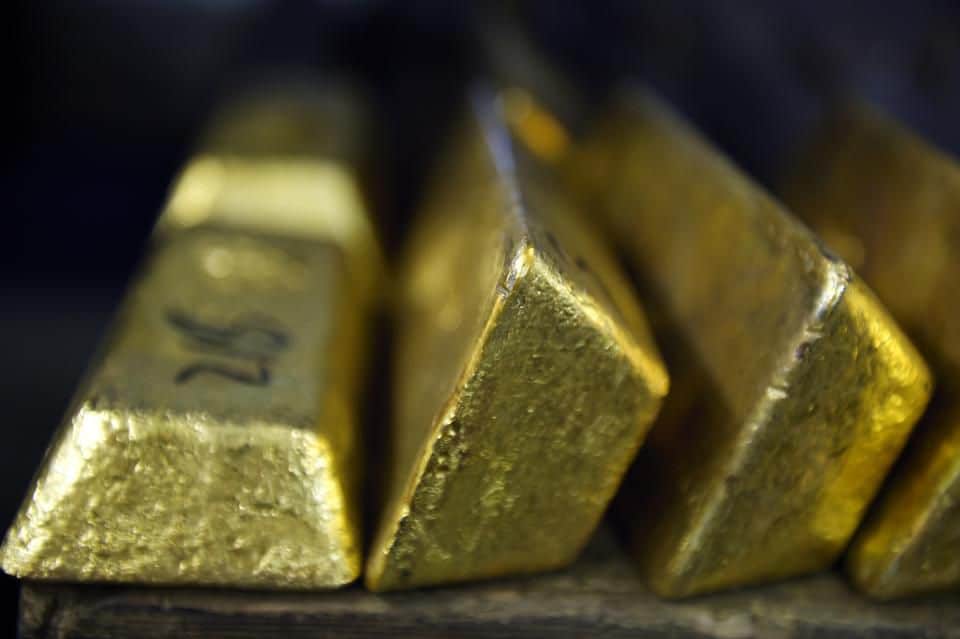
Best Regions to Source Gold in DRC: Safety and Compliance Assessment
| Region | Province | Gold Type | Conflict Risk | Compliance Level |
|---|---|---|---|---|
| Kibali / Haut-Uélé | Haut-Uélé | Formal mine (673K oz/yr) | Low | High — SMRC authorized |
| Kilo-Moto goldfields | Haut-Uélé / Ituri (north) | ASGM + historical | Low-Medium | Medium |
| Maniema deposits | Maniema | ASGM, exploration | Low | Medium |
| Bas-Uele artisanal | Bas-Uélé | ASGM | Low-Medium | Medium |
| North Kivu (Rutshuru area) | North Kivu | ASGM | HIGH | Poor — M23 activity |
| South Kivu (Walikale) | South Kivu | ASGM | HIGH | Poor — multiple armed groups |
| Ituri (southern zones) | Ituri | ASGM | HIGH | Poor — ADF and militia |
Our recommendation: International buyers should limit sourcing to Haut-Uélé and Maniema provinces, specifically from SMRC-licensed exporters operating in areas under FARDC (government) control.
Avoid all gold from North Kivu, South Kivu, and southern Ituri without comprehensive third-party chain-of-custody verification.
2026 OFAC Sanctions and DRC Gold: What Every Buyer Must Know
The Conflict Gold Problem
The eastern DRC’s gold sector has been documented by the United Nations Group of Experts, Chatham House, Global Witness, and SWISSAID as a significant source of conflict financing.
Armed groups including the M23, FDLR, ADF, and various militia control artisanal mining zones and extract revenues from miners and traders.
US Treasury OFAC Designations
The US Treasury’s Office of Foreign Assets Control (OFAC) has designated multiple individuals and entities connected to DRC gold smuggling and conflict financing. Companies and individuals transacting with designated persons face primary sanctions. Companies with US operations or USD transactions risk secondary sanctions exposure even for non-US actors.
Practical implication: Any gold purchase from DRC requires verification that no counterparty is on the OFAC SDN list. Check the list at: ofac.treas.gov
Dodd-Frank Section 1502 (Conflict Minerals)
US-listed companies must conduct due diligence under SEC Conflict Minerals Rule to determine whether their gold is from “covered countries” (DRC and adjoining nations) and, if so, whether it is “conflict-free.” While the rule technically applies to companies using gold in products rather than gold buyers per se, leading institutional gold purchasers apply equivalent standards.
EU Conflict Minerals Regulation
Since January 2021, the EU Conflict Minerals Regulation requires EU-based importers of gold (and other “3TG” minerals) from conflict-affected and high-risk areas (CAHRAs) to conduct OECD-aligned due diligence. For DRC gold, this is mandatory, not optional.
OECD Due Diligence Guidance
The OECD Due Diligence Guidance for Responsible Supply Chains from Conflict-Affected and High-Risk Areas is the international standard for DRC gold compliance. It requires:
- Mapping the supply chain to the mine of origin
- Identifying and assessing risks in the supply chain
- Designing and implementing strategies to respond to identified risks
- Carrying out third-party audit of supply chain due diligence at identified critical points
- Reporting annually on supply chain due diligence
Legal Requirements for Buying and Exporting Gold from DRC (2026)
Sudanese Mineral Resources Company (SMRC) Authorization
Wait — this is a DRC article. The DRC’s Ministry of Mines oversees gold exports through the Service d’Assistance et d’Encadrement du Small Scale Mining (SAESSCAM) for artisanal producers and the Division des Mines for formal exporters. All legal gold exports from DRC require:
1. Mining Permit or SMRC License Formal mining operations require a valid Permis d’Exploitation (exploitation permit). Artisanal mining cooperatives require a Permis d’Exploitation Artisanale (PEAM).
2. Export License from Ministry of Mines All gold exports require authorization from the DRC Ministry of Mines. The application must include:
- Source documentation (mine location, production records)
- Purity assay certificate
- Commercial invoice
- Certificate of origin
3. Assay Certification Gold must be tested and certified for purity by an accredited laboratory before export. International standards (XRF fluorescence or fire assay) must be applied.
4. Bank of Congo Foreign Exchange Compliance Export proceeds must be declared to the Banque Centrale du Congo (BCC). A portion may be required to be repatriated through formal banking channels.
5. Conflict Minerals Documentation For international compliance, gold from DRC should ideally carry a ICGLR Certificate (International Conference on the Great Lakes Region Mineral Certification) — the regional framework for conflict-free mineral certification. The ICGLR Regional Certification Mechanism (RCM) provides additional chain-of-custody assurance for DRC and neighboring country gold.
How to Buy Gold from DRC Safely: Step-by-Step Guide
Step 1: Establish Source Geography First
Before any other step, determine the exact province and mining site where the gold originates. This single factor determines the entire compliance pathway. Haut-Uélé (Kibali region) = low risk. North Kivu or South Kivu without third-party verification = high risk.
Step 2: Verify SMRC / Ministry of Mines Licensing
Request the seller’s current Ministry of Mines export authorization and SAESSCAM registration for artisanal producers. Verify directly with the DRC Ministry of Mines in Kinshasa if the transaction value exceeds $100,000.
Step 3: Conduct OFAC SDN List Check
Check all counterparties — individuals and entities — against the OFAC Specially Designated Nationals (SDN) list. For transactions involving DRC entities, this is non-negotiable. Use the official OFAC search tool at ofac.treas.gov.
Step 4: Request Full Chain-of-Custody Documentation
- ICGLR Regional Certificate (where applicable)
- Mine-to-export documentation trail
- Government inspection report
- Assay certificate (XRF or fire assay) from accredited laboratory
- Certificate of Origin
Step 5: Negotiate Price Against LBMA Spot
At $4,739/oz (May 2026), 24K gold in DRC through formal channels should be priced at approximately $151–$158/gram. Raw artisanal gold and dore bars trade at 5–15% below refined bar prices, reflecting processing cost. Any price more than 15% below LBMA spot is a red flag — either the gold is from conflict sources, is of uncertain purity, or the transaction involves fraud.
Step 6: Secure Payment Through Banking Channels
- Use SWIFT bank wire transfer only
- Escrow service recommended for first transactions
- Never use cryptocurrency, Western Union, or cash
- Document all payment flows for AML compliance
Step 7: Arrange Secure Logistics from DRC
Approved departure points: N’djili International Airport (Kinshasa) for formal exports. Some operators route through Entebbe (Uganda) via overland transport — ensure this pathway is documented.
Carriers: Brinks Global Services, Malca-Amit, G4S are the international standard for DRC gold logistics. Insure for full declared value (1–2% of gold value).
Types of Gold Available from Congo DRC
Kibali-Origin 24K Bullion (Highest Compliance Standard)
Gold processed through the Kibali Mine’s official channels and the Kibali joint venture’s export pathways carries the most complete documentation available from DRC. This gold is refined to 99.99% and sold through international channels at LBMA-referenced prices.
Price: ~$151–$158/gram (formal channel) Documentation: Complete OECD-aligned chain-of-custody, LBMA-quality certification
Dore Bars (Semi-Refined, 80–93%)
DRC artisanal producers and some SMRC-licensed processors produce dore bars for export to international refineries. These are priced at a discount to spot reflecting the further refining cost.
Price: $128–$138/gram (depending on assayed purity) Key requirement: ICGLR certificate and mine-to-export documentation
Raw Gold Nuggets (Natural Form, 80–95%)
Alluvial and hard-rock artisanal nuggets from FARDC-controlled artisanal zones. Prized for their natural form. Higher documentation burden required.
Price: $128–$142/gram (depending on purity) Caution: Province of origin must be verified
Gold Dust (Fine Particles, Variable Purity)
Fine gold particles from alluvial mining operations. Variable purity requires laboratory testing. Used as raw material by refineries.
Price: $110–$135/gram (depending on purity)
DRC Gold Production: Key Statistics 2026
| Metric | Data (2024–2026) |
|---|---|
| Kibali mine output (2025) | ~673,000 oz (~21 tonnes) |
| Total formal DRC production (2024) | ~64 tonnes (declared) |
| Artisanal share of production | ~83% of declared output |
| Kibali % of formal exports | 99.6% of DRC gold exports (2024) |
| Total estimated DRC production | 90+ tonnes (including informal) |
| Informal/smuggled gold estimate | 50–70% of total output |
| 2026 Kibali guidance | 600,000 – 688,900 oz |
| Mine life (Kibali) | Through at least 2037 |
The striking reality of DRC gold in 2026 is that while Kibali accounts for virtually all of the country’s formal gold exports, an estimated majority of total DRC gold production moves through informal channels without documentation — creating both opportunity for buyers with compliance frameworks and risk for those without.
Congo DRC Gold Investment Opportunities in 2026
1. Listed Company Investment (Lowest Risk)
The cleanest exposure to DRC gold is through publicly traded companies:
- Barrick Mining (NYSE: GOLD / TSX: ABX): 45% of Kibali; quarterly production reports
- AngloGold Ashanti (NYSE: AU): 45% of Kibali; dividend-paying
- Gold Fields (NYSE: GFI): No direct Kibali stake but African operations
These companies offer DRC gold exposure with full SEC/regulatory disclosure, no direct sourcing risk, and strong liquidity.
2. Physical Gold from SMRC-Licensed Exporters (Moderate Risk)
For buyers wanting physical DRC gold with strong compliance, working through SMRC-licensed exporters in Haut-Uélé Province (Kibali region) or Maniema Province with OECD-aligned chain-of-custody documentation is feasible but requires significant compliance investment.
3. Refinery Investment (High Capital, Strong Returns)
DRC and neighboring Rwanda are developing domestic refinery capacity. Investment in gold processing infrastructure in compliant zones offers potential for strong returns through processing fee revenue and refined gold margins.
4. ASGM Formalization Partnerships (High Risk / High Reward)
Impact investors and experienced operators can structure partnerships with ASGM cooperatives in FARDC-controlled areas, providing equipment, training, and market access in exchange for offtake rights. This requires deep local knowledge and robust compliance infrastructure.
Comparing DRC Gold to Other African Sources
For buyers weighing DRC against other African options, here is the practical comparison:
| Factor | DRC (Kibali) | Ghana (GoldBod) | Uganda (BGMA) | Tanzania (TMAA) |
|---|---|---|---|---|
| Price per gram | $151–$158 | $152–$158 | $149–$155 | $150–$157 |
| Documentation quality | High (Kibali) / Variable (ASGM) | High | Medium-High | High |
| Conflict risk | Low (Kibali) / High (east) | Very Low | Low | Very Low |
| OFAC sanctions risk | Medium | Very Low | Low | Very Low |
| Compliance complexity | High | Low-Medium | Medium | Medium |
| Access for foreigners | Difficult | Good | Good | Good |
Our recommendation for most international buyers: Ghana, Uganda, and Tanzania offer comparable pricing to DRC with substantially lower compliance complexity.
DRC gold — specifically Kibali-origin — is appropriate for sophisticated buyers with robust compliance infrastructure.
Avoiding Gold Scams in Congo DRC
DRC gold scams are among the most sophisticated and prevalent in Africa. Common patterns:
The “Conflict Gold at a Discount” Trap Fraudsters offer DRC gold at 20–40% below market, claiming it was “artisanally mined” and can bypass formal channels.
This is almost always either fraudulent gold (fake or mixed purity), conflict-sourced gold with legal liability, or a straight advance-fee scam.
The Fake SMRC License Counterfeit Ministry of Mines licenses and export authorizations are widely circulated. Always verify directly with the DRC Ministry of Mines in Kinshasa — do not rely solely on documents provided by the seller.
The Gold Bar Switch A genuine sample is assayed and approved; inferior material is substituted at delivery. Counter with independent sampling, sealed container tracking from assay to shipment, and insurance with cargo verification.
The Airport Warehouse Scam A “business partner” claims gold is held at N’djili Airport awaiting payment of customs fees. No legitimate gold transaction works this way. Do not pay any fees to release gold you have not independently verified.
Rules to follow without exception:
- Never pay advance fees without independent verification
- Verify all licenses directly with DRC authorities
- Require OECD chain-of-custody documentation for all DRC gold
- Use only SWIFT bank transfers or verified escrow
- Work only with dealers who have verifiable international transaction histories
FAQs: Buying Gold from Congo DRC (2026)
Q: What is the current gold price per gram in Congo DRC? A: As of May 2026, 24K gold in the DRC is approximately $151–$158 USD per gram (~CDF 351,300–367,700). This is approximately 37–40% higher than the $108–$111/gram figure from 2025, reflecting the global gold bull market that saw gold reach an all-time record of $5,602/oz in January 2026.
Q: What is 1 kg of gold worth in Congo DRC in 2026? A: A 1 kilogram 24K gold bar in the DRC is worth approximately $151,000–$158,000 USD (~CDF 351 million–368 million) based on current May 2026 prices. This is dramatically higher than the $108,000–$111,000 cited in 2025 articles.
Q: Is it legal to buy and export gold from the DRC? A: Yes, through licensed, SMRC-authorized channels with proper documentation. However, buying gold from conflict-affected areas or armed-group-controlled zones carries serious legal risk including OFAC sanctions exposure and EU conflict minerals regulation liability.
Q: What are OFAC sanctions and do they apply to DRC gold? A: OFAC (US Treasury’s Office of Foreign Assets Control) has designated individuals and entities connected to conflict gold financing in DRC. US persons and any company with US dollar exposure is prohibited from transacting with designated parties. Verify all counterparties against the OFAC SDN list before any DRC gold transaction.
Q: Which gold mine in Congo produces the most gold? A: The Kibali Gold Mine in Haut-Uélé Province — operated by Barrick Mining (45%), AngloGold Ashanti (45%), and SOKIMO (10%) — is Africa’s largest gold mine by annual production at ~673,000 oz in 2025. Kibali accounted for 99.6% of DRC’s formal gold exports in 2024.
Q: What is the USD to CDF exchange rate in May 2026? A: As of May 2026, the exchange rate is approximately 1 USD = 2,325–2,330 CDF — significantly lower (CDF stronger) than the ~2,880 CDF/USD rate used in the old article’s 2025 baseline, due to improved DRC macroeconomic management.
Q: How do I verify that Congo gold is conflict-free? A: Require ICGLR Regional Certificate (International Conference on the Great Lakes Region Mineral Certification), complete mine-to-export chain-of-custody documentation, OECD Due Diligence aligned source verification, and independent third-party audit. For gold from Haut-Uélé Province (Kibali region), the formal JV’s documentation standards are the strongest available in DRC.
Conclusion: DRC Gold in 2026 — Exceptional Wealth, Exceptional Responsibility
The DRC’s gold story in 2026 reflects the continent’s gold sector at its most compelling and most complex. Kibali alone generates $2.31 billion in annual revenue, has invested $6.3 billion in Congo’s economy, and operates with world-class sustainability standards.
Yet the broader DRC gold landscape — particularly in the conflict-affected east — remains one of the world’s most challenging environments for responsible gold sourcing.
For most international buyers, the calculus is clear: comparable pricing is available in Ghana, Uganda, and Tanzania with substantially simpler compliance pathways.
DRC gold is appropriate for sophisticated buyers who have invested in robust OECD-aligned compliance frameworks and are working exclusively with verified, licensed operators in FARDC-controlled territories.
For those committed to DRC sourcing, the rewards can be significant — but the compliance investment is non-negotiable.
For verified DRC gold sourcing through licensed channels, pricing inquiries, and worldwide delivery: 📱 WhatsApp: +256 707 585144
Prices last updated: May 8, 2026. Gold spot ~$4,739 USD/oz; USD/CDF ~2,327. All prices are reference rates — verify with your dealer before transacting. Production data from Barrick Mining 2025 Annual Report and SMRC.
Useful Resources: