How Much Gold Does Sudan Have? Reserves, & Production
How Much Gold Does Sudan Have: Sudan’s gold reserves are officially estimated at about 1,500 tonnes. Officials at the country’s Gold Exporters Chamber say new surveys could push that figure above 2,000 tonnes.
Sudan mined about 70 tonnes of gold in 2025, according to the Ministry of Minerals, which places it among Africa’s top three gold producers. Yet only about 20 tonnes, under 30% of output, were officially exported. More than 70% is estimated to have left the country unrecorded through smuggling.
That output is remarkable for a country engulfed in civil war since April 2023. Gold has become Sudan’s most important source of foreign currency, earning the state about US$1.8 billion in mining revenue.
It also finances armed groups, and much of it flows out through informal trade routes to neighbouring countries and the Gulf.
This guide explains how much gold Sudan has, how much it produces each year and where its main gold mining regions are. It also explains why so much of Sudan’s gold never shows up in official export figures.
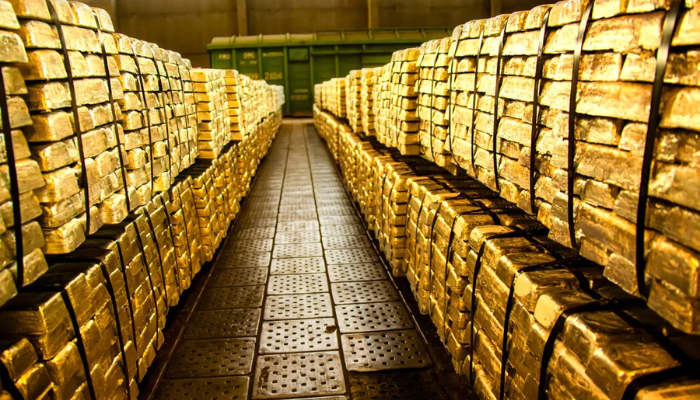
Sudan Gold Reserves: What’s Actually in the Ground
Sudan’s officially recognized gold reserves currently stand at roughly 1,500 tonnes, a figure based on the geological surveys completed to date.
But according to the Gold Exporters Chamber, that number understates Sudan’s true underground potential significantly — vast stretches of the country, particularly in remote and conflict-affected regions, still haven’t been surveyed using modern techniques like remote sensing, deep geophysical scanning, or organized exploratory drilling.
Sudan’s geology helps explain why. The country sits across a complex geological structure that includes rock belts known to be rich in precious metals, and officials note that every expansion of search operations has historically led to new discoveries — reinforcing the belief that Sudan’s true gold reserves are considerably larger than what’s currently mapped and confirmed.
How Much Gold Does Sudan Produce Each Year?
Sudan’s annual gold production has swung dramatically over the past decade, closely tracking the country’s political stability:
- 2017 (peak year): Sudan’s official gold production reached approximately 107 tonnes, its highest recorded output.
- 2022: Gold had become Sudan’s top non-oil export, worth $2.02 billion out of $4.36 billion in total exports.
- 2023: Production collapsed to just 2 tonnes as civil war broke out between the Sudanese Armed Forces (SAF) and the paramilitary Rapid Support Forces (RSF).
- 2024: Production rebounded to roughly 64 tonnes.
- 2025: Sudan produced approximately 70 tonnes of gold, exceeding government targets by 13% despite the ongoing conflict, according to the Sudanese Mineral Resources Company (SMRC).
- Q1 2026: Production reached 89% of its quarterly target, with artisanal mining revenue collection hitting 113% of projection.
Today, Sudan’s annual gold production is generally cited in the range of 64 to 100 metric tonnes, placing it alongside Ghana, South Africa, and Tanzania among Africa’s most significant gold producers.
Why Sudan’s Official Gold Exports Don’t Match Its Production
Here’s the detail that matters most for anyone researching Sudan’s gold sector: while the country produced roughly 70 tonnes of gold in 2025, only around 14.7 to 20 tonnes were exported through official channels, according to Sudan’s Central Bank and Finance Ministry.
That’s a gap of 50 tonnes or more — meaning somewhere between 48% and 71% of Sudan’s gold production moves outside official export channels entirely, according to technical reports on the sector, typically smuggled across land borders and through uncontrolled airports rather than declared and taxed.
This unofficial gold typically doesn’t disappear — much of it reportedly moves toward regional trading hubs before entering the global market through less transparent channels, which is exactly why buyers should treat undocumented “Sudanese gold” offers with real caution regardless of how competitive the price looks.
Where Sudan’s Gold Comes From: Key Mining Regions
Sudan’s gold production is concentrated across several key regions:
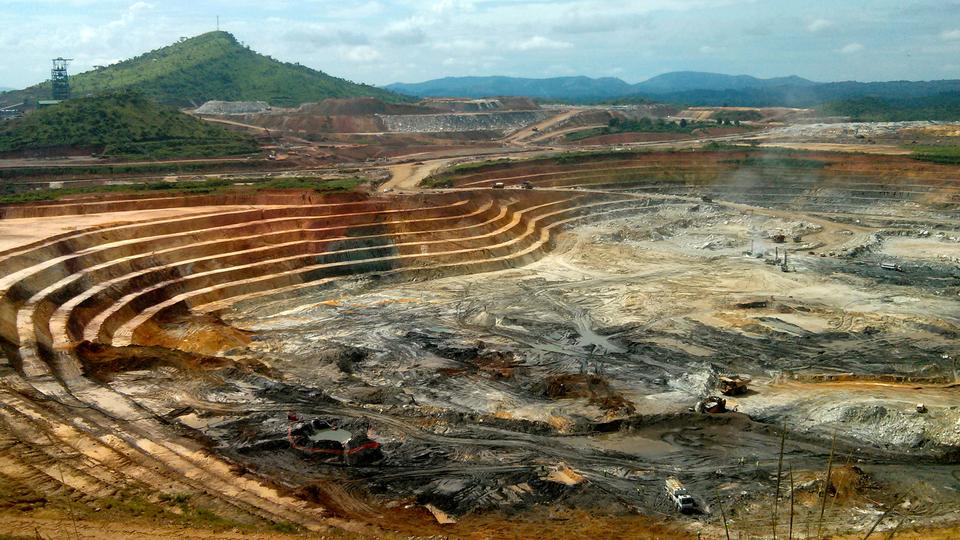
- Hassai Mine, Red Sea State — one of Sudan’s most established gold mining operations.
- Jebel Amer, North Darfur — a historically significant gold-mining area that has fallen under RSF control amid the ongoing conflict.
- Songo mines, South Darfur — currently considered among the most productive mining sites under RSF control.
- River Nile State and South Kordofan — additional significant production regions contributing to national output.
Roughly 80–85% of Sudan’s gold production comes from artisanal and small-scale mining (ASGM) rather than large industrial operations — a sector the Ministry of Minerals estimates employs around 2 million people directly, with some researchers putting the figure as high as 2.8 million diggers and up to 5 million more in associated trades.
Gold’s Role in Sudan’s Economy
Gold has become the backbone of Sudan’s foreign currency earnings, now accounting for approximately 70% of the country’s total export revenue. That shift dates back to 2011, when South Sudan’s secession stripped Sudan of roughly 75% of its oil reserves and 90% of its petroleum export income virtually overnight, forcing the country to lean heavily on its mineral wealth instead.
Even amid ongoing conflict, Sudan’s mining sector generated over 1 trillion Sudanese pounds (roughly $1.8 billion) in public revenue in 2025 alone — underscoring just how central gold has become to keeping the country’s economy functioning through wartime conditions.
The Impact of Sudan’s Civil War on Gold Production and Reserves
Since fighting broke out between the SAF and RSF in April 2023, Sudan’s gold sector has operated under deeply unusual conditions.
Official production figures generally exclude gold mined in RSF-controlled territory, for which no verified official data exists — meaning the true national production figure, including conflict-zone output, is likely higher than the government’s reported numbers suggest.
Both warring factions have drawn revenue from gold mining and trade during the conflict, and mining regions in Darfur in particular have become tightly linked to the war’s financing.
This also affects Sudan’s reserve estimates: large portions of the country remain difficult or impossible to survey given ongoing insecurity, meaning the true scale of Sudan’s underground gold reserves may not be confirmed for years, regardless of how the conflict resolves.
Environmental and Health Concerns in Sudan’s Gold Sector
Because the vast majority of Sudan’s gold comes from artisanal mining, mercury use in gold processing remains widespread and poses serious environmental and health risks to mining communities, contaminating soil and water sources near major artisanal sites.
This is a recurring challenge across artisanal gold mining more broadly in Africa, not unique to Sudan, but it’s especially pronounced given the scale of ASGM activity in the country.
Buying Gold Safely Given Sudan’s Current Situation
Given the scale of unofficial gold movement out of Sudan and the conflict’s direct ties to certain mining regions, buyers should treat any gold marketed simply as “from Sudan” with real caution, particularly where documentation, assay certification, and a clear chain of custody aren’t readily available.
For a deeper look at gold mining conditions inside Sudan specifically, our dedicated guide to gold mining in Sudan covers the historical context, key mines, and foreign involvement in more depth, alongside our gold price in Sudan guide for current local pricing context.
For buyers who want certified, fully documented gold without navigating an active conflict zone’s supply chain, sourcing from Africa’s more stable producing countries is generally the safer route.
Our guides to gold producing countries in Africa and gold deposits in Africa cover the continent’s full production picture, while our broader look at gold smuggling in Africa explains why documentation and provenance matter just as much as price when you’re comparing sellers.
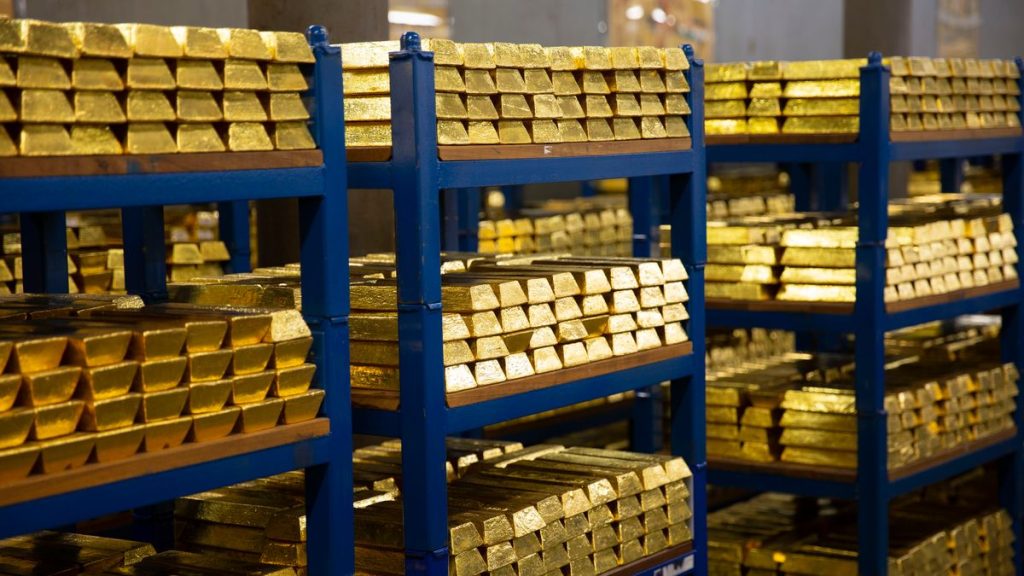
Buy Certified Gold From Africa’s Stable Producing Regions
Sudan’s gold reserves are genuinely substantial — among the largest on the continent — but sourcing gold safely from an active conflict zone is a very different proposition from buying certified, fully documented gold from Africa’s more established producing countries.
As a licensed Africa gold exporter, we supply certified 24K and 22K gold directly from mining operations in Uganda and the DR Congo, with full assay certification, verified provenance, and complete export documentation on every order.
Our guides to how to buy gold online safely, gold investment opportunities in Africa, and our full FAQs about buying gold in Africa cover exactly what to check before you buy from any African source, Sudan included. For current pricing context elsewhere on the continent, see our guides to gold prices in Africa, Ghana, Tanzania, and South African gold bar pricing.
Contact our team today to source certified, fully documented gold from Africa’s most reliable producing regions.
Related Pages
- Gold Mining in Sudan
- Gold Price in Sudan
- Gold Producing Countries in Africa
- Gold Deposits in Africa
- Gold Smuggling in Africa
- Gold Mining in Uganda and Congo
- Gold Mining in Congo
- How Much Gold Does Ghana Produce in a Year
- Gold Price in Africa
- Gold Price in Ghana
- Gold Bars Price in South Africa
- Gold Price in Tanzania
- Gold and Silver Dealers in Africa
- Buy Gold in Uganda
- Buy Gold in Congo
- How to Buy Gold Online Safely
- FAQs About Buying Gold in Africa
- Gold Investment Opportunities in Africa
- About Us
- Contact Us