Why Is Brazilian Gold Cheap? An Intriguing Insight
Why Is Brazilian Gold Cheap: Discover why Brazilian gold is often cheaper than gold from other markets. Learn about mining costs, taxes, supply, regulations, and market factors.
Gold has long been a symbol of wealth, stability, and timeless value, coveted across civilizations from ancient Egypt to modern financial markets.
Yet when it comes to Brazilian gold, whispers of affordability often ripple through the conversation. Why is Brazilian gold perceived as cheap? Is it a hidden gem for savvy investors, or a cautionary tale about quality and legitimacy?
Today, the global gold spot price sits at approximately $4,120 per troy ounce (roughly $132.44 per gram), and understanding how Brazilian pricing compares to that benchmark — and to certified gold from Africa — is the real question worth answering.
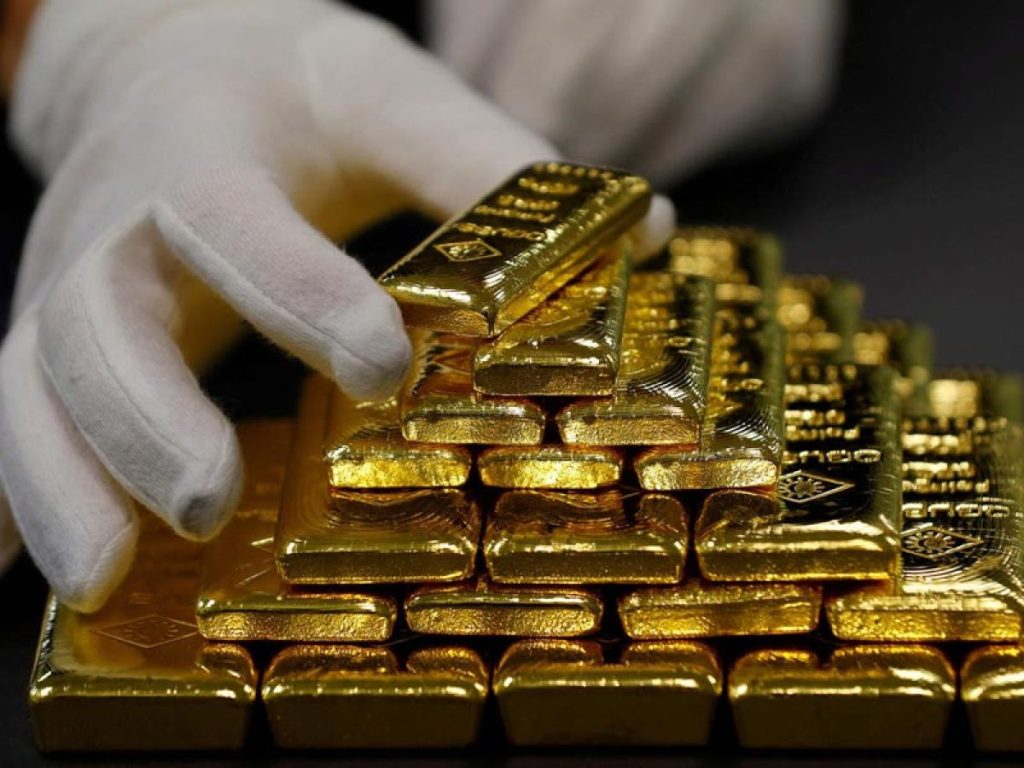
Why Brazilian Gold Can Be Cheap
Finished jewelry and mass production — Brazil is a major jewelry manufacturer that often sells gold-plated, gold-filled, or lower-karat pieces at scale. These use far less solid gold and therefore cost noticeably less than investment-grade bullion.
Lower local margins and labor costs for certain products — skilled but lower-cost manufacturing for fashion pieces reduces retail price without necessarily reducing craftsmanship quality.
Different tax and duty regimes for domestic sales versus export can reduce retail price or shift costs offshore, affecting how “cheap” a given piece appears depending on where it’s sold.
Provenance and certification gaps — untested or uncertified material may be cheaper, but it carries real risk around purity and legal or ethical sourcing.
In short: cheap jewelry does not mean cheap bullion. If you’re buying for investment — bars, bullion, or certified coins — Brazilian raw gold sells close to global spot. Most “cheap” Brazilian gold deals are for fashion jewelry or low-gold-content products, not certified investment metal.
Is Brazilian Gold Good Quality?
Quality depends entirely on product type and certification. Solid 22K–24K Brazilian gold is metallurgically indistinguishable from equivalent gold anywhere in the world — gold is gold. The practical differences come down to:
Karat and purity — 24K is nearly pure gold, while 18K or 14K contains alloy metals. Brazil produces all of these grades.
Manufacturing standard and finishing — luxury pieces made to ISO or assay standards are genuinely high quality, while fashion items using gold-filled or gold-plated layers may look identical but contain far less actual gold.
Certification and assay — good quality means traceable assay certificates, hallmarks, and export documents. This is what actually separates a safe purchase from a risky one, whether you’re buying in Brazil or anywhere else.
Bottom line: certified-karat Brazilian bullion is genuinely good quality. Cheap Brazilian jewelry, by contrast, may use minimal gold content and simply isn’t comparable to investment-grade bullion.
A Glittering Legacy: Brazil’s Gold History
Brazil’s relationship with gold dates back to the late 17th century, igniting the Brazilian Gold Rush — the world’s longest, spanning the 1690s into the 19th century.
Adventurers known as Bandeirantes unearthed vast deposits in Minas Gerais, transforming the region into a global gold mining hub.
By 1725, half of Brazil’s population had flocked to these fields, alongside 400,000 Portuguese immigrants and 500,000 enslaved Africans. The Gongo Soco mine alone yielded over 12,000 kilograms of gold between 1826 and 1856.
This historical abundance built Brazil’s gold identity, but it also set a precedent for extraction that prioritized volume over regulation — a legacy that still echoes in today’s pricing dynamics.
Fast forward to today: Brazil isn’t among the world’s top gold producers, trailing giants like Australia and China by a wide margin. Output dipped to roughly 80 metric tons in 2016, with more recent estimates suggesting a rebound to 100–120 tons annually.
Yet Brazil’s gold remains genuinely abundant underground — Minas Gerais, Pará, and the Amazon still hold significant deposits. So why doesn’t this abundance translate into premium pricing? The answer lies in a mix of production methods, market perception, and regulatory gaps.
The Cost of Extraction: Small-Scale Mining and Garimpos
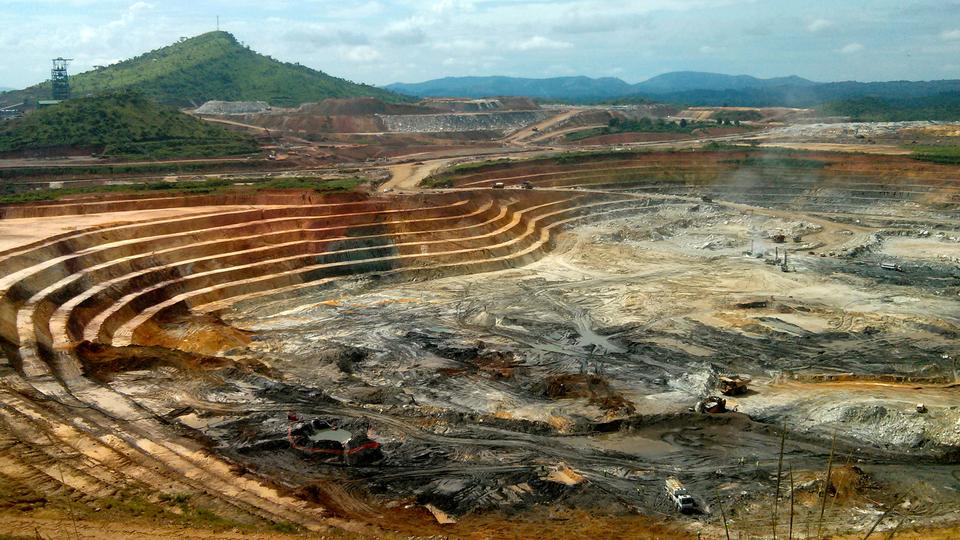
One key reason Brazilian gold often carries a lower price tag is its reliance on small-scale, artisanal mining known locally as garimpos. Unlike industrial operations with heavy machinery and strict oversight, garimpeiros (independent miners) use rudimentary tools and techniques — think a lone miner panning a riverbed, or a small crew running mercury-laden sluices in the Amazon.
These methods dramatically cut operational costs, with no multi-million-dollar equipment leases or corporate overhead involved. A 2020 Mongabay report documented dredges in Rondônia burning just 100 liters of diesel per night to extract 10 grams of gold — a fraction of large-scale industrial extraction costs.
This lean approach translates to cheaper gold at the source. Industrial mines in Canada or South Africa might spend $1,200–$1,500 per ounce on extraction once labor, technology, and regulatory compliance are factored in.
In Brazil, garimpos can produce gold at roughly $800–$1,000 per ounce, passing those savings downstream. However, this efficiency comes with a serious catch: much of this gold is illicit.
A 2024 Escolhas Institute report found that 94% of Brazilian gold exported to the EU in 2023 — 1.5 tons worth $93 million — originated from unregulated garimpos. This illegality depresses prices further, since buyers wary of “dirty gold” typically demand a discount to offset ethical and legal risk.
Market Dynamics: Supply, Demand, and Discounts
Gold is a global commodity, with its spot price set by supply and demand on exchanges like COMEX. As of July 2026, that global benchmark sits at approximately $4,120 per ounce — yet Brazilian gold often trades below this figure, sometimes by 5–10%, due to its market positioning.
Flooded supply from informal channels is a major factor. Brazil exports most of its gold, with the EU, Switzerland, and Canada among its top destinations.
A 2023 crackdown on illegal mining cut official exports by roughly 30%, according to Escolhas Institute research, yet experts suspect much of this gold simply shifted into black-market channels rather than disappearing, further saturating unofficial supply and softening prices.
Buyers also perceive Brazilian gold as inherently riskier. Unlike certified bullion from reputable refineries, Brazilian gold often lacks consistent traceability. Illicit gold gets laundered through middlemen, occasionally swapped or mixed in transit — a problem with historical roots stretching back centuries.
The EU’s Conflict Minerals Regulation demands due diligence from importers, but real loopholes persist. A buyer might snag a 1-ounce Brazilian bar at a discount to spot, reflecting this “tainted gold” markdown. It’s not that the metal itself is inferior — 24K is 24K everywhere — but the shadow cast by uncertain origins genuinely dims its market value.
Currency and Economic Factors
Brazil’s currency, the Brazilian Real (BRL), also plays a role in local gold pricing. At approximately 5.06 BRL to 1 USD as of July 2026, the Real has actually strengthened compared to its weaker levels in 2025, when persistent inflation and political uncertainty pushed it past 5.6 to the dollar.
Currency movement affects local incentives directly: when the Real weakens against the Dollar, local miners net more Reais for every dollar’s worth of gold sold, which can incentivize faster, more discounted sales to convert product into local currency quickly.
A stronger Real, as seen more recently, reduces that pressure somewhat — though Brazil’s broader economic volatility, shaped by ongoing Amazon deforestation debates and periodic trade tensions, still tilts the market toward affordability over prestige compared to a market like Switzerland, where currency stability supports firmer, more consistent pricing.
Quality vs Perception: The 24K Question
Is Brazilian gold lower quality? Not inherently. A 24K bar from Pará is 99.99% pure, identical in composition to one refined in Nevada or South Africa. Assays confirm this — when properly certified, Brazilian gold meets LBMA standards without exception.
But certification is exactly where the gap emerges. Industrial operations produce traceable, premium-grade gold that fetches full spot pricing or better. Artisanal gold, by contrast, often skips formal refining entirely, and mercury traces from garimpo processing — used to amalgamate fine gold particles — raise red flags for buyers even though they don’t alter the metal’s purity after proper refinement. Buyers still routinely discount unverified bars as a result.
Perception compounds this effect. “Brazilian gold” conjures images of muddy rivers and unregulated jungle operations, not pristine bank vaults.
Contrast this with Swiss gold, synonymous with precision and institutional trust, which commands a 2–5% premium over spot. Brazilian gold isn’t cheap because it’s lesser in metal quality — it’s cheap because its reputation is less polished.
Does Brazilian Gold Fade?
Solid high-karat gold (22K–24K) does not fade. It can scratch, but it will not corrode or discolor over time.
Lower-karat alloys (14K, 10K) may show tarnish or discoloration over years, due to the alloy metals — copper, silver, or nickel — mixed in with the gold.
Gold-plated and gold-filled pieces can appear to “fade” as the thin gold surface wears away with friction, sweat, or chemical exposure. The quality of the plating — thickness and bonding method — determines how long that surface actually lasts.
Practical advice: if you want lasting color and genuine investment value, buy solid 22K or 24K gold backed by an assay certificate. For fashion pieces, expect some wear over time if the item is gold-filled or plated.
Environmental and Ethical Costs
The low price of informal Brazilian gold masks real hidden costs. Illegal mining has ravaged the Amazon, with deforestation in gold-rich areas roughly doubling since 2018 according to satellite-monitoring research cited by Mongabay.
Mercury use poisons rivers and threatens Indigenous communities, including the Yanomami, while garimpeiros themselves often work under punishing conditions for very little pay.
Buyers purchasing cheap, undocumented gold indirectly fund this cycle — a real ethical cost that, in turn, depresses the broader market value of unverified Brazilian gold.
Ethical, ESG-conscious investors increasingly opt for pricier, cleaner, fully documented alternatives instead, leaving undocumented Brazilian gold to bargain hunters willing to accept the risk.
The Counterpoint: Not All Brazilian Gold Is Cheap
Not everything out of Brazil is a bargain. Collectible coins — like historic colonial-era gold pieces in strong grade condition — can fetch prices well above their raw gold content, driven by rarity and numismatic demand rather than metal value.
Industrial output from major mining operators aligns closely with global rates and full documentation standards. The “cheap” label really sticks to the informal sector, which still accounts for a majority of Brazil’s total gold production, where regulation continues to lag behind formal industrial mining.
Is Brazil a Good Place to Buy Gold?
For fashion jewelry at accessible prices, Brazil is genuinely attractive — manufacturers known for stylish, affordable designs suit buyers seeking style over investment value.
For investment bullion — bars and coins — Brazil offers little real advantage. Raw bullion trades close to global spot, meaning prices aren’t significantly cheaper once you account for certification, and you must carefully verify assay certificates, export documentation, and dealer credibility before buying.
By contrast, sourcing through a licensed Africa gold exporter guarantees access to certified 24K, 22K, and 18K gold directly from licensed mines across Uganda, Ghana, Tanzania, and the DRC.
That gold comes with full documentation, assay certification, and secure logistics — with every shipment backed by a transparent chain of custody, giving buyers real confidence in both quality and compliance.
Price Comparison: Brazil vs Africa’s Gold Price Today
Here’s how Brazil’s gold price compares to gold prices in Africa’s major producing countries at today’s benchmark. The global spot price is the starting point for all bullion pricing — as today, that’s approximately $4,120 per troy ounce, equal to roughly $132,443 per kilogram (32.1507 troy oz/kg).
Local prices below reflect that same benchmark converted at current exchange rates; actual retail prices will typically sit slightly above this due to local dealer premiums, so always confirm live quotes before transacting.
| Country | Local Price (per kg, 24K) | Local Currency | Approx. USD Equivalent |
|---|---|---|---|
| Brazil | ~670,161 | BRL | ~$132,443 |
| Ghana | ~1,533,690 | GHS | ~$132,443 |
| Tanzania | ~347,530,432 | TZS | ~$132,443 |
| DR Congo | ~303,956,685 | CDF | ~$132,443 |
| Uganda | ~494,209,939 | UGX | ~$132,443 |
| Global spot | — | USD | ~$132,443 |
What this table shows: raw bullion prices per kilogram across Brazil and Africa’s major gold-producing countries are essentially identical once converted to a common currency at today’s exchange rates — because certified 24K gold trades globally against the same underlying benchmark, wherever it’s mined.
Brazil doesn’t offer meaningfully cheaper certified bullion compared to Uganda, Ghana, Tanzania, or the DRC. The real price gap only shows up once you factor in local dealer premiums, certification quality, and — critically — whether the gold you’re buying is properly documented at all.
The “cheap Brazilian gold” narrative applies almost entirely to fashion jewelry and gold-filled or plated products, not to properly assayed bars or coins.
Practical Checks Before You Buy
If you’re considering Brazilian gold — jewelry or bullion — run through this checklist first:
For bullion: insist on an assay certificate, hallmark, weight and serial number, and export paperwork for any cross-border purchase. Verify the assay lab itself is ISO-accredited or backed by a recognized national authority.
For jewelry: ask for the karat stamp, plating thickness for vermeil or plated pieces, and a clear return policy. Check independent reviews of the maker before buying.
For online purchases: request high-resolution photos, video of the assay stamping process, and a guaranteed refund window.
For ethical sourcing: request chain-of-custody documentation and a supplier compliance statement covering how the gold was sourced.
A properly licensed African gold supplier will always provide assay reports and complete chain-of-custody documentation on every bullion export — the same standard you should demand from any seller, Brazilian or otherwise.
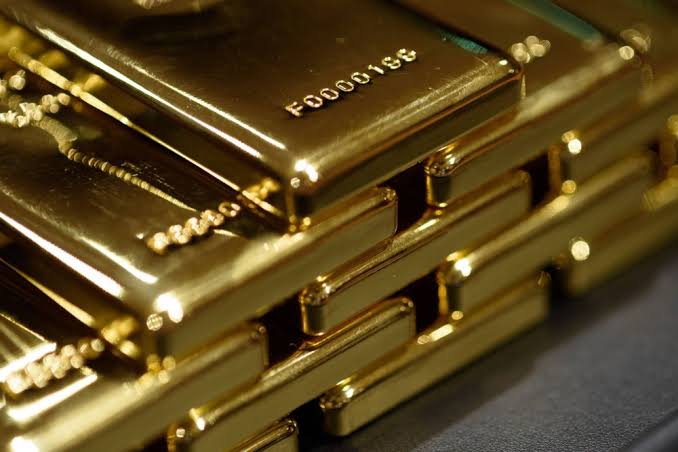
FAQs – Why Is Brazilian Gold Cheap
Why is Brazilian gold cheap for jewelry? Because many products are 14K or 18K, or gold-plated and gold-filled, benefiting from scale manufacturing rather than the raw metal itself being cheaper.
Is Brazilian gold good quality? Yes, when it’s solid-karat metal backed by assay and hallmark. No, when it’s thin plating or low-content pieces marketed as if they were premium bullion. Always verify before buying.
Does Brazilian gold fade? Solid 22K/24K won’t fade. Plated pieces and low-karat alloys may show wear and discoloration over time.
Is Brazil a good place to buy gold? For affordable fashion jewelry, yes. For certified bullion investment, you can buy — but insist on full assay and export documentation, and compare pricing against trusted African dealers if you’d prefer verified African provenance instead.
Is gold cheaper in Africa than in Brazil? Not for certified bullion — both trade near the same global spot benchmark once converted to a common currency. The real advantage of buying African gold isn’t a lower raw price; it’s stronger, more consistent documentation and traceability from mine to buyer.
Buy Certified Gold From Africa Instead
If you’re weighing Brazilian gold against African alternatives, the honest conclusion is this: raw 24K bullion prices in Brazil, Ghana, Tanzania, Uganda, and the DRC all cluster tightly around the same global spot benchmark. The real difference isn’t price — it’s documentation, traceability, and peace of mind.
As a licensed Africa gold exporter, we provide assay reports and full export documentation on every bullion shipment, work upstream directly with licensed miners and refiners across Uganda, Ghana, Tanzania, and the DRC, and price against live market spot with insured, traceable shipping on every order.
Browse our certified 24K gold, 22K gold, gold bars, gold nuggets, raw gold, and gold doré bars — every shipment comes with a full gold certificate confirming purity and origin.
Our recommendation is simple: buy Brazilian jewelry if you’re after affordable style, but for safe, certified, and genuinely profitable investment bullion, buy African gold from a licensed source instead.
For current pricing across the continent, see our guides to gold prices in Africa, Ghana, Tanzania, Sudan, and South African gold bar pricing, or start sourcing directly from Uganda or the DR Congo today.
Our guides to buying gold online safely and our full FAQs about buying gold in Africa cover everything else you need to know before you buy.
Contact our team today for certified, mine-direct gold pricing from Africa — documented, traceable, and priced against today’s live spot rate.
Related Pages
- Gold Price in Africa
- Gold Price in Ghana
- Gold Price in Tanzania
- Gold Price in Sudan
- Gold Bars Price in South Africa
- Buy Gold in Uganda
- Buy Gold in Congo
- 24K Gold
- What Is the Price of 22K Gold
- Gold Bar
- Gold Nugget
- Raw Gold
- Gold Bars for Sale
- Gold Doré Bars Price
- Gold Certificate
- How to Buy Gold Online Safely
- FAQs About Buying Gold in Africa
- Gold and Silver Dealers in Africa
- About Us
- Contact Us