Gold Refining Charges: Cost Breakdown by Method and Material
Gold refining charges aren’t a single flat fee — your final payout is calculated as (recovered gold weight × spot price × accountability rate) minus fees, where fees include a percentage refining charge (typically 1.5–15% depending on lot size and material), assay testing costs ($10–$150+), and handling or minimum-lot charges.
The single most important number to ask any refiner for before submitting material is their accountability rate — the percentage of assayed pure gold they actually credit you for — since a 3-point difference in accountability can be worth more than the headline fee percentage itself.
Gold refining is the industrial process of purifying raw or scrap gold — old jewelry, dental scrap, doré bars, or electronic waste — into high-purity bars, typically 99.9% fine or better. It involves chemical treatment, fire assay or XRF purity testing, and recovery of co-existing metals like silver and platinum group metals (PGMs). With gold trading in the $4,300–$4,400/oz range through 2026, every percentage point of refining charge has real weight — this guide breaks down exactly how those charges work and how to keep more of your payout.
If you’re sourcing certified refined gold rather than refining your own scrap, see our 24K and 22K gold bars sourced mine-direct from Africa.
THE FEE STRUCTURE
How Gold Refining Charges Are Calculated — The Payout Formula Every Seller Must Understand
Refiners do not charge a simple flat fee per gram of raw material you deliver. Instead, they apply a multi-component deduction structure against the value of the recovered pure gold. Understanding this structure precisely is the single most important thing you can do to protect your return when selling scrap gold to a refiner.
THE GOLD REFINING PAYOUT FORMULA
Payout = (Recovered Gold Weight × Spot Price) × Accountability % − Fees
Where ‘Fees’ includes the refining percentage charge, assay costs, handling fees, and any minimum lot charges. Each variable is explained in full below.
1. Accountability Rate (Refining Yield) — The Most Critical Variable
Accountability — also called the refining yield or return rate — is the percentage of assayed pure gold that the refiner credits to you after processing. A 98% accountability rate means that if 10 grams of pure gold is recovered from your scrap, you are credited for 9.8 grams; the refiner retains 0.2 grams as part of their processing return. Reputable refiners handling standard karat jewelry scrap typically offer 95–99% accountability.
For complex inputs such as e-waste or heavily contaminated industrial scrap, accountability rates drop to 90% or lower — and this reduced yield substantially cuts your effective return even before percentage fees are applied.
At current gold prices (~$140/gram), the difference between a 95% and a 98% accountability rate on a 1-kilogram lot of 18K gold scrap is worth over $2,500. Accountability rate is the single most underappreciated variable in the gold refining fee equation — and the first number to demand from any refiner before signing a consignment agreement.
2. Percentage Refining Fees — Charged on Recovered Gold Value
The most common structure for commercial gold refining fees is a percentage of the recovered pure gold’s market value. These percentage-based refining charges scale with both volume and material complexity:
- Small lots under 20 troy oz (under ~620g): 5–8% of recovered gold value. At ~$140/gram, a 5% fee equals approximately $7 per gram of recovered gold.
- Medium lots of 20–100 oz: 4–6%, reflecting the economies of scale that benefit higher-volume sellers sending consistent material.
- Large commercial lots above 100 oz (over 3.1 kg): 3–5% — the rates charged to jewelry manufacturers, dental labs, and industrial recyclers operating at scale.
- E-waste and heavily plated material: 8–12% or higher, reflecting the additional chemical steps required to separate gold from base metals, plastics, and circuit board substrates.
3. Per-Ounce and Per-Gram Flat Processing Fees
In addition to — or instead of — percentage fees, many refiners charge a flat processing fee per troy ounce of raw material submitted, covering intake, handling, and the basic chemical processing cost regardless of gold content. Typical ranges in 2026 are:
- Fire assay refining (traditional melting and cupellation testing): $20–$100 per troy ounce of raw material ($0.64–$3.22 per gram)
- Electrolytic refining / aqua regia chemical method: $30–$150 per troy ounce ($0.96–$4.82 per gram) — the higher cost reflects the superior purity achievable, typically 99.99%
- Indian market rates (e.g., Kundan Refinery): approximately Rs 50 (~$0.60 USD) per gram of raw gold submitted, plus applicable GST — among the most competitive per-gram gold refining rates in any major market globally
4. Assay Testing Fees — The Cost of Proving Your Gold’s Purity
Before any refiner can calculate your payout, they must determine the precise purity of your submitted material through assaying. The cost of gold assay testing is a separate line item from the refining fee itself. Two primary methods are used:
- Fire assay (cupellation): The gold industry’s standard for accuracy. Costs $10–$50 per sample, or $25 per element (gold, silver, platinum, etc.) tested. A full multi-element assay for mixed PGM scrap can reach $100+ per lot.
- XRF (X-ray fluorescence) scanning: Non-destructive and faster than fire assay, but slightly less precise. Adds $7–$30 per ounce tested, or a flat fee per lot. Acceptable for clean karat jewelry; not reliable for complex or contaminated scrap.
For multi-element scrap containing platinum group metals (PGMs) alongside gold — common in dental alloys and industrial catalysts — expect $25 per element tested. A 4-element assay (gold, silver, platinum, palladium) costs $100 before refining even begins.
5. Hidden and Ancillary Charges — Where Most Sellers Lose Unexpected Value
The most common way sellers lose more than expected in the gold refining process is through ancillary charges disclosed only in the fee schedule fine print. Always request a complete written gold refining fee schedule before submitting material — never agree to a verbal quote. See the full “Additional Fees to Expect” section below for the complete list.
Gold Refining Charges: Cost Breakdown by Method and Material
By Refining Method
| Method | Purity Achieved | Cost per Oz | Turnaround | Best For |
|---|---|---|---|---|
| Fire Assay (Cupellation) | 99.5–99.9% | $20–$100 | 24–48 hrs | Standard karat jewelry scrap |
| Wohlwill Electrolysis | 99.99%+ (LBMA-grade) | $40–$120 | 3–5 days | Investment-grade bullion bars |
| Aqua Regia Chemical | 99.9–99.99% | $30–$150 | 1–3 days | Complex scrap, e-waste, mixed metals |
| Miller Chlorination | 99.5% | $15–$60 | 2–4 hrs | High-volume industrial, pre-Wohlwill stage |
| XRF + Selective Dissolution | 99–99.9% | $25–$80 | Same day | Rapid turnaround on clean karat scrap |
Most LBMA Good Delivery refineries use Wohlwill electrolysis as the final stage for 99.99%+ purity. For standard jewelry scrap, fire assay remains the most cost-effective method, while fire assay and aqua regia are the two most common methods for African gold doré processing specifically.
By Material Type
| Material | Typical Purity | Refining Fee | Accountability | Assay Cost |
|---|---|---|---|---|
| 24K / 999 Doré Bar | 95–99% | 1.5–3% | 98–99% | $10–$25 |
| 22K Jewelry Scrap | 91.6% | 2–4% | 97–99% | $15–$30 |
| 18K Jewelry Scrap | 75% | 3–5% | 97–98% | $15–$35 |
| 14K Jewelry Scrap | 58.3% | 4–6% | 96–98% | $20–$40 |
| 9K/10K Scrap | 37.5–41.7% | 5–8% | 95–97% | $25–$50 |
| Dental Gold Scrap | Variable (PGMs) | 3–5% | 96–98% | $25–$100 |
| Industrial Byproducts | Variable | 5–8% | 94–97% | $30–$75 |
| E-Waste Gold Recovery | Low (ppm) | 8–12% | 88–93% | $50–$150 |
| Gold-Plated/Low-Grade | Under 10% | 10–15% | 85–92% | $50–$150 |
By Lot Size
| Lot Size | Refining Fee | Accountability | Settlement Time |
|---|---|---|---|
| Under 10g (micro-lot) | 8–15% | 93–95% | 7–14 days |
| 10g–100g | 6–8% | 95–97% | 5–10 days |
| 100g–620g (under 20 oz) | 5–8% | 96–98% | 3–7 days |
| 620g–3.1kg (20–100 oz) | 3–5% | 97–98% | 2–5 days |
| 3.1kg–31kg (100–1,000 oz) | 2–4% | 98–99% | 1–3 days |
| Over 31kg (1,000+ oz) | 1.5–3% | 98.5–99.5% | 24–48 hrs |
Volume is the single most powerful driver of lower refining charges. Batching smaller lots to reach a higher volume threshold consistently cuts effective fees by 2–5 percentage points. At current prices (~$140/gram), that saving on a 620g lot of 18K scrap moving from the 7% to the 5% tier equals approximately $1,300.
Additional Fees to Expect
Beyond the headline refining percentage, watch for these — always request a complete written fee schedule before submitting material, never rely on a verbal quote:
- Handling fees — $10–$50 flat per shipment intake, regardless of lot size or value.
- Shipping and insurance — typically the seller’s responsibility. Budget $20–$100 for insured precious metals shipping domestically; more for international consignments.
- Minimum lot fees — $100–$500 minimum charge, meaning very small lots (under 5–10 grams) may not be economically viable to refine through a commercial facility.
- Stone and foreign material removal — $7 per gross ounce for diamond and gemstone removal, with a $50 minimum — critical for jewelry gold refining with mixed stones.
- Rush processing premiums — 10–25% surcharge for next-day or 48-hour turnaround vs. the standard 5–14 day settlement cycle.
These charges are separate from fabrication “making charges” on new jewelry purchases (typically 3–25% of value, or Rs 300–1,000/gram) — refining fees apply only to processing existing scrap or doré into refined metal, a completely different cost category.
THE PRICING DRIVERS
Factors That Influence Gold Refining Charges — Why No Two Quotes Are Identical
No two gold refining quotes are identical — even from the same refiner, a different lot of material will generate a different fee structure. Understanding the six major drivers of gold refining charge variation puts you in a much stronger negotiating position when comparing refiners and structuring your submission.
Table — Key Factors Influencing Gold Refining Charges
| Factor | Impact on Gold Refining Fees | Real-World Example |
|---|---|---|
| Volume / Lot Size | Larger lots attract lower % fees due to economies of scale. Small lots (under 100g) face high minimum charges that dominate the effective cost. | Under 20 oz: 8% fee. Over 20 oz: 5% fee. Saving on a 620g lot: ~$1,300 at current spot. |
| Material Type | High-purity inputs (doré bars) are cheapest. Low-grade inputs (e-waste, gold-plated) cost most due to extra chemical processing steps needed. | Dental scrap: 3–5%. E-waste gold refining: 8–12% or more. |
| Input Purity / Complexity | Lower karat gold needs more chemicals and processing time to reach 99.99%. PGMs in mixed scrap add multi-element assay costs. | 24K doré: $20/oz. 9K scrap refining: $100+/oz. |
| Geographic Location | US and Canadian refiners charge $20–$150/oz. Indian refiners (e.g. Kundan) charge Rs 50/gram (~$0.60). International shipping adds $20–$100. | Volume-based % fee (North America) vs. flat Rs 50/gram (India market). |
| Gold Spot Price Level | High spot prices amplify the dollar impact of percentage fees without increasing the refiner’s cost. A 5% fee at ~$140/gram costs ~$7/gram recovered. | Gold has risen substantially since 2024 — the same % fee now costs meaningfully more in dollar terms than it did two years ago. |
| Refiner Type (Toll vs. Outright) | Toll refining (you retain title): 3–5% fee but higher accountability. Outright purchase: no explicit fee, but refiner pays 20–30% below melt value. | Cash-for-gold operations pay 20–50% below melt — never use them for significant lots. |
Note: These are gold refining charges — not ‘making charges’, which refer to jewelry fabrication costs. Fabrication making charges are entirely separate from refining fees.
“The difference between a 95% and a 98% accountability rate on a 1-kilogram lot of 18K scrap, at today’s gold prices, is worth well over $2,000. Accountability rate is the single most underappreciated variable in the gold refining charge equation — yet most sellers never ask about it before signing a consignment agreement.” — Gold Refining Industry Best Practice
THE REFINING PROCESS
The Gold Refining Process — Step by Step from Scrap Submission to Settlement
Whether you are sending jewelry scrap, dental gold, industrial byproducts, or doré bars to a refiner, the process follows a consistent five-stage structure at any reputable LBMA-compliant facility. Understanding each stage helps you track your lot, identify delays, and confirm that settlement figures are correctly calculated.
Stage 1 — Intake, Weighing and Documentation. Your material is received, weighed to the nearest 0.01 gram, and logged with a lot reference number. You receive an intake certificate confirming gross weight. Shipping and insurance for the inbound consignment is typically the seller’s responsibility — always use a tracked, insured precious metals carrier rather than standard post. Intake takes 1–2 days for standard lots; longer for complex or large industrial shipments requiring specialist handling.
Stage 2 — Sampling and Assay Testing. A representative sample is taken from your lot and subjected to purity testing. Fire assay (cupellation) involves melting a small sample with lead, burning off base metals, and measuring the remaining bead to determine gold content. XRF scanning provides faster but slightly less precise results. For dental gold, industrial scrap, and e-waste, multi-element ICP (inductively coupled plasma) analysis quantifies gold, silver, platinum, palladium, and base metal content simultaneously. Assay takes 1–7 days depending on method and queue; you receive an assay report stating confirmed purity before processing begins. Witness programmes at reputable refiners let you observe via video.
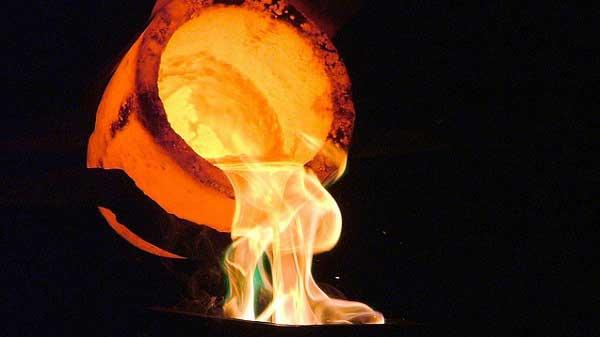
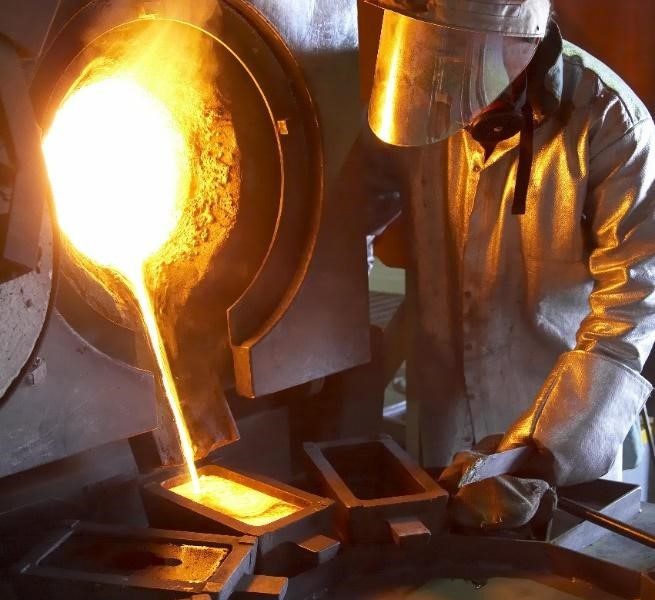
Stage 3 — Melting, Chemical Separation and Processing. The full lot is melted in a crucible furnace. Depending on the agreed refining method — fire assay, aqua regia dissolution, Miller chlorination, or Wohlwill electrolysis — chemical agents are introduced to separate gold from silver, base metals, and PGMs. Gemstones and diamonds are physically removed at this stage if present (adding a stone removal charge). For aqua regia gold refining, the dissolved gold is precipitated using reducing agents, filtered, and washed. Turnaround: 24 hours for simple karat jewelry; 5–7 days for complex multi-metal industrial scrap.
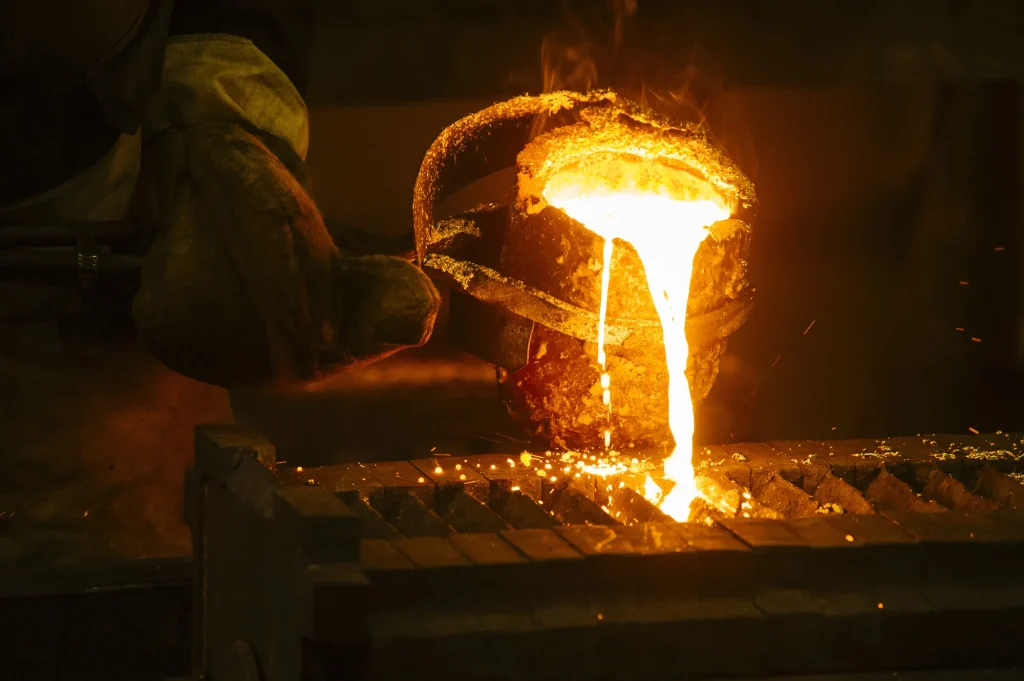
Stage 4 — Recovery, Casting and Final Verification. The recovered pure gold is melted and cast into bars or granules. For LBMA Good Delivery output, the Wohlwill electrolytic process achieves 99.99% purity. A final assay of the refined output confirms purity before settlement is calculated. Reputable refiners offering witness programmes allow sellers to observe melting and assaying via video or in-person, confirming that the accountability rate applied matches what was agreed.
Stage 5 — Settlement. Settlement follows one of two structures. For toll refining (consignment), you receive your refined gold back as bars, coins, or granules minus the refiner’s fee weight. For outright sale refining, you receive payment by bank wire, cheque, or ACH. The industry standard is a 90% advance payment on the day of intake at the agreed spot price, with the balance (adjusted for final assay results) paid within 2–4 weeks. Always request your full settlement documentation: assay report, weight certificate, fee schedule, and final payout calculation.
Environmental Compliance — Always Use LBMA-Certified Refiners
Gold refining using aqua regia, cyanide, or mercury generates toxic chemical waste. Reputable LBMA-certified refiners — including Rand Refinery South Africa, African Gold Refinery Uganda, and major Swiss facilities such as PAMP and Valcambi — operate under strict environmental regulations and handle hazardous materials responsibly. Unregulated or informal refiners bypass these controls, causing serious environmental damage and exposing sellers to legal risk. Never use an unlicensed refiner simply for a lower quoted fee.
REAL-WORLD EXAMPLES
Gold Refining Payout Examples — Calculated at Current 2026 Spot Prices (~$140/gram)
Abstract percentages become meaningful when applied to actual lot scenarios. The three examples below represent the most common lot types encountered by individual and commercial gold scrap sellers.
💍 Example 1 — Small Lot: 100g of 14K Jewelry Scrap
Input: 100 grams of 14K scrap gold (58.3% pure). Pure gold recovered: approximately 58 grams. Gross melt value at $140/gram: $8,120. Refining fee: 5% of recovered gold value = $406. Assay charge: $25. Handling fee: $15. Total deductions: $446. Net payout: approximately $7,674 — equivalent to $76.74 per gram of raw material submitted.
Lesson: A 5% fee on a small 14K lot is reasonable — but at a 95% accountability rate instead of 98%, the same lot nets noticeably less. Accountability rate matters as much as the headline fee.
🏭 Example 2 — Large Lot: 1kg of 18K Jewelry Scrap
Input: 1,000 grams of 18K scrap gold (75% pure). Pure gold recovered: approximately 750 grams. Gross melt value at $140/gram: $105,000. Refining fee: 3% of recovered gold value = $3,150. Assay charges (4 elements): $100. Handling: $50. Total deductions: $3,300. Net payout: approximately $101,700 — equivalent to $101.70 per gram of raw material.
Lesson: Reaching the 1 kg threshold on 18K scrap — which unlocks the 3% fee tier — saves roughly $1,700 compared to submitting the same material in smaller batches at the 5% rate.
🦷 Example 3 — Dental Gold Scrap: 200g Mixed Alloys
Input: 200 grams of mixed dental alloys (approximately 65% gold average, with PGMs). Pure gold recovered: approximately 130 grams. Gross gold value at $140/gram: $18,200. Refining fee: 4% = $728. Multi-element ICP assay (Au, Ag, Pt, Pd): $200. Stone removal (if applicable): $50 minimum. Total deductions: approximately $978. Net payout: approximately $17,222 — equivalent to $86.11 per gram of raw material.
Lesson: Dental scrap’s PGM content makes multi-element assay essential — and worth every dollar. Skipping the full assay and accepting a blended “sight” quote from the refiner can cost thousands on a 200g mixed lot.
MAXIMISE YOUR RETURN
How to Maximise Your Gold Refining Payout — Proven Strategies for 2026
With gold trading around $4,300–$4,400/oz and refining charges varying significantly between providers, choosing the right gold refiner and structuring your submission correctly is worth real money.
Strategy 1: Get Multiple Competing Written Quotes Before Submitting. Compare net payout across several refiners’ fee schedules before committing to any single provider — a 1–2 percentage point fee difference on a 1 kg lot is worth $1,000+ at current prices. Always ask for the full refining fee schedule in writing, including accountability rate, assay charges, handling fees, minimum lot requirements, and rush processing premiums — not just the headline percentage. Refiners who publish complete, transparent fee schedules upfront deserve strong preference over those who don’t.
Strategy 2: Batch Shipments to Reach Volume Thresholds. Accumulating material until you reach the 20 troy ounce (620g) threshold that unlocks lower fee tiers is one of the most reliably profitable strategies in gold scrap selling. At current prices, the fee reduction from 7% to 5% on a 620g lot of 18K scrap saves well over $1,000. Holding material for 2–4 extra weeks to reach a volume threshold almost always outweighs the market timing risk — unless you have strong reason to expect a significant spot price decline.
Strategy 3: Remove Stones and Non-Gold Material Before Submission. Jewelry with diamonds, gemstones, or non-gold settings incurs a stone removal charge of $7 per gross ounce with a $50 minimum at most refiners. For large mixed lots, this adds $200–$500. Removing stones yourself before shipping — or separating stone-set pieces into a distinct sub-lot — eliminates this charge entirely and enables more precise assay sampling on your pure gold scrap. For dental gold, separating high-gold-content crowns from lower-grade bridges before submission allows each sub-lot to settle at its appropriate accountability rate.
Strategy 4: Time Your Submission Around Gold Spot Price Strength. Gold has risen substantially since 2024, touching an all-time high near $5,590/oz in January 2026 before settling into its current $4,300–4,400 range. Refining when spot is strong captures more value in absolute terms. If you expect further upside, ask your refiner about spot-lock or average-price contracts, which let you hedge by fixing today’s price for material submitted over a rolling period. The best settlement outcomes generally come from submitting material when the LBMA Gold Price is freshly set and dealer spreads are narrowest, rather than during periods of unusual volatility.
Strategy 5: Always Request a Witness Assay. Reputable refiners increasingly offer witness programme options allowing sellers to observe the weighing, sampling, and assay process via live video or in person. This eliminates the most common dispute in gold refining: disagreements over assayed purity vs. the seller’s estimate. If a refiner cannot or will not offer assay transparency on large lots, treat that as a significant red flag. LBMA-certified refiners are obligated to provide full settlement documentation including assay reports, weight certificates, and itemised fee schedules.
Red Flags That Signal a Problematic Gold Refiner
Avoid any refiner offering accountability below 95% on standard karat gold without a compelling technical explanation. Red flags include: refusing to provide a written fee schedule before intake; operating without LBMA, SGS, or government certification; offering no assay report with your settlement; running “cash for gold” operations that pay 20–50% below melt value; and inability to explain the calculation behind your payout figures. Always insure your shipment at full declared precious metals value — standard carrier insurance caps around $100, which is inadequate for any meaningful gold lot.
TOLL VS. OUTRIGHT
Toll Refining vs. Outright Purchase — Which Gold Refining Structure Nets You More?
The structure of your agreement with the refiner is as important as the fee percentage.
| Factor | Toll Refining (Consignment) | Outright Purchase | Best For |
|---|---|---|---|
| Net Payout | Higher — 95–99% of melt value | Lower — 80–93% of melt value | Sellers wanting maximum return |
| Complexity | Higher — assay, settlement, documentation | Lower — one transaction | Sellers wanting simplicity |
| Price Risk | Exposed to spot movement during refining | None — price fixed at purchase | Sellers in volatile markets |
| Settlement Time | 2–4 weeks for final payment | Immediate or next day | Sellers needing liquidity |
| Dispute Risk | Possible if assay is contested | Minimal — buyer accepts assay risk | Sellers avoiding complexity |
| Minimum Lot Size | Often higher ($500–$1,000 minimum value) | Often lower or none | Small-lot sellers |
For most commercial sellers with 20+ oz lots and clean karat gold scrap, toll refining consistently delivers 5–15% more net value than outright purchase. For micro-lots and time-sensitive sellers, outright purchase removes friction at an acceptable cost.
THE BUYING SIDE
From Refining to Buying — Purchase Certified African Gold Bars at Mine-Direct Prices
Understanding gold refining charges is essential if you are on the selling side. But if you are on the buying side — looking to purchase certified 24K gold bars for investment, portfolio diversification, or jewelry manufacturing — the most cost-effective route is to bypass retail and wholesale layers entirely and source mine-direct from Africa’s licensed refineries.
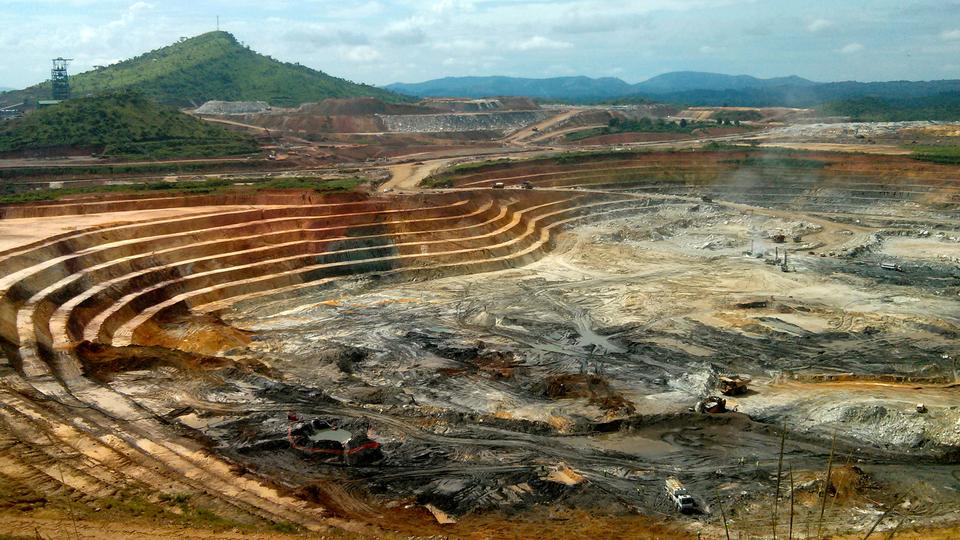
Africa produces over 25% of the world’s gold, with LBMA-certified refineries operating in South Africa (Rand Refinery) and high-capacity facilities in Uganda (African Gold Refinery), Ghana (GoldBod-licensed supply chain), and Tanzania.
Buying 24K gold bars from African refineries through a licensed exporter can deliver 99.99% purity at premiums of just 1–3% over the LBMA spot price — meaningfully below the 2.5–8% premiums common through Swiss mints, US dealers, and retail channels. On a 1-kilogram purchase at current prices, that premium difference can save several thousand dollars.
Buy Certified African Gold Bars with Africa Gold Suppliers Limited
Every gold bar sourced through Africa Gold Suppliers Limited comes with independent assay certification confirming purity, a Certificate of Origin, full mining authority export compliance, and insured logistics through established carriers. Browse our 24K and 22K gold bars, source gold direct from Uganda or the DRC, or read our FAQs on buying gold in Africa for more on sourcing and documentation.
Website: www.africagoldsuppliers.com
WhatsApp: +256 742 748550
Address: 30 Kampala–Entebbe Rd, Kampala, Uganda
Products: 24K & 22K gold bars, gold nuggets, gold dust, doré — weights from 1g upward
Purity: Independently assayed, with full certification on every order
Documentation: Export Permit, Assay Certificate, Certificate of Origin, Commercial Invoice, AML/KYC compliance
The buyers who minimize refining charges on their scrap and access mine-direct pricing on their purchases are capturing more of the value this gold price environment has to offer. Contact our team for a live, spot-referenced quote — no obligation.