Gold Mines in Kenya: Where Kenya’s Gold Actually Comes From
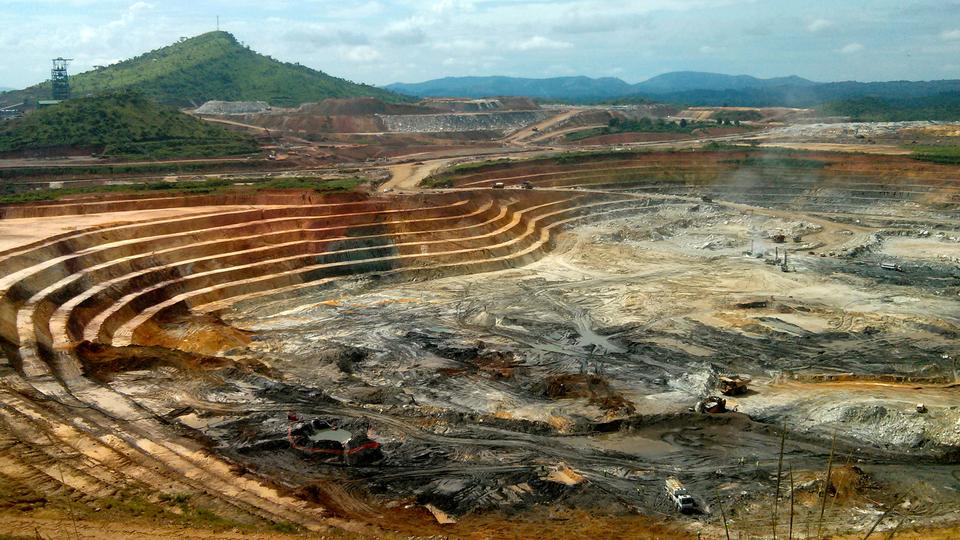
Gold Mines in Kenya: Kenya has one large-scale gold producer currently in operation — Karebe Gold Mining Limited in Nandi County, mining underground since 2009 — plus one major project moving toward construction (Shanta Gold’s West Kenya Project in Kakamega County), one significant mine currently suspended (Kilimapesa, Narok County), and a much larger informal sector of artisanal and small-scale mining concentrated around Migori County and the wider Kakamega-Vihiga gold belt.
Kenya’s formal annual gold output remains under one tonne — small by regional standards — which is why most gold sold domestically, including in Nairobi, is either artisanal-mined or imported and re-refined rather than sourced from a single dominant Kenyan mine.
The Active and Developing Gold Mines in Kenya
Karebe Gold Mining Limited — Nandi County (Operating)
Karebe is Kenya’s most established formal gold producer, working three historic sites — Equatorial, Rock Corry, and Boma — on an extension of the Tanzanian Greenstone Belt.
The company began production in 2009 as an underground narrow-vein operation, currently mining to a depth of around 180 metres across four surface shafts, with a reported processing capacity of roughly 2,500 tonnes per month and over 25,000 ounces produced across the mine’s life to date. It’s described in industry coverage as employing several hundred workers locally.
As with any single-source production figure, treat the exact current output as indicative rather than fixed — mine economics and throughput change year to year, so confirm current figures directly with the operator if they matter to your sourcing decision.
Shanta Gold’s West Kenya Project — Kakamega County (Development Stage)
This is currently Kenya’s largest gold development, combining two deposits an hour’s drive from Kisumu: Ramula-Mwibona, planned as an open-pit mine, and Isulu-Bushiangala, planned for underground mechanised mining.
The Isulu-Bushiangala deposit alone is reported at roughly 1.27 million ounces at an average grade of 11.43 grams per tonne. Shanta completed feasibility work and regulatory approvals in 2025 and is progressing project financing through 2026, with an Environmental Impact Assessment submitted to Kenya’s National Environment Management Authority.
If it proceeds to construction and full production, industry estimates suggest it could lift Kenya’s formal gold output from under one tonne a year into the 5–10 tonne range — but as of today it is not yet in production.

Kilimapesa Gold Mine — Narok County (Suspended)
Operated by Kilimapesa Gold, a subsidiary of London-listed Imara Gold (formerly Caracal Gold), Kilimapesa has mined and processed gold in Narok County since 2009 — one of Kenya’s longest-running modern operations. However, mining and processing have been suspended since early 2024, following disputes with the local Moyoi community over unpaid amounts owed to workers, suppliers, and the community.
In late 2025, Kenya’s mining ministry proposed a resumption committee to resolve the dispute, and the operator has since brought in new management. As of this writing, restart timing is unconfirmed — worth checking current status directly if this mine matters to a specific transaction.
Migori County and the Artisanal Gold Fields
Migori, and the historic Macalder mines in particular, is Kenya’s most active artisanal and small-scale mining (ASM) zone, sitting on the mineral-rich Migori Greenstone Belt. Gold was first found at Macalder in 1904, and industrial-scale mining ran until a 1933 report marked the last major formal operation there.
Today, Macalder and the surrounding area support ongoing artisanal digging rather than industrial mining — miners working narrow, unsupported shafts by hand, using panning and mercury amalgamation to recover gold. It’s a real and significant source of Kenyan gold by volume, but it also carries the highest risk for buyers: no centralized assay trail, inconsistent purity, and documented safety and environmental concerns.
Renewed exploration interest from both local and international companies has picked up in recent years, alongside government efforts to formalize artisanal mining in the region — though implementation has been slow.
Kakamega-Vihiga Gold Belt
Kakamega’s gold history predates all of the above — the Kakamega Gold Rush of the early 1930s was one of colonial-era Africa’s largest, sparked by geologist Albert Ernest Kitson’s reports and drawing comparisons to the Klondike at the time.
The rush left behind an area still dotted with old miners’ workings, and Kakamega and neighboring Vihiga County remain active zones for artisanal mining today, alongside Shanta’s more formal West Kenya development in the same county.
Why This Matters If You’re Sourcing Kenyan Gold
Because Kenya doesn’t yet have a single dominant industrial mine feeding a formal domestic supply chain, gold reaching Nairobi’s market comes from a mix of sources — Karebe’s formal output, artisanal production from Migori and the Kakamega-Vihiga belt, and gold imported from neighboring markets.
That mix is exactly why provenance and independent assay matter more in Kenya than in a market with a dominant certified refiner. Kenya also doesn’t yet have a fully operational, internationally accredited domestic refinery — see our breakdown of gold refiners in Kenya for what that means for certificate validity, and our guide to buying gold in Nairobi for how to vet a dealer once you’re ready to purchase.
For buyers weighing artisanal-sourced Kenyan gold against other African supply, our guides on buying gold from local miners and gold and silver dealers in Africa cover how to verify a seller regardless of which mine or region the gold originated from.
We source and export certified gold with full documentation — see exporting gold bullion for how that process works, or explore our broader view of gold mining across Africa and current gold prices across Africa for regional context.
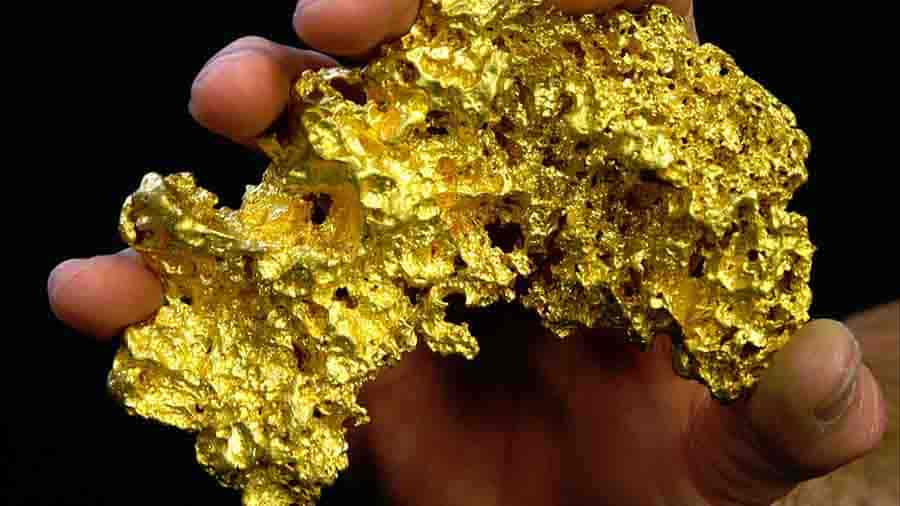
FAQs – Gold Mines in Kenya
What is the biggest gold mine in Kenya? By reported resource size, Shanta Gold’s West Kenya Project in Kakamega County is Kenya’s largest gold development — but it isn’t in production yet. By actual current output, Karebe Gold Mining in Nandi County is Kenya’s most established operating producer.
Is gold mining currently active in Kenya? Yes, but at a modest scale. Karebe Gold Mining operates continuously in Nandi County, while a much larger volume of gold comes from artisanal and small-scale mining, particularly around Migori County and the Kakamega-Vihiga belt. Kilimapesa in Narok County has been suspended since early 2024.
Where in Kenya is gold mined? The main areas are Nandi County (Karebe’s formal mining), Kakamega County (Shanta Gold’s West Kenya project and historic artisanal workings), Narok County (Kilimapesa, currently suspended), and Migori County, home to Kenya’s most concentrated artisanal gold fields.
Does Kenya have a large gold mining industry? Not yet at an industrial scale — Kenya’s formal annual gold output is currently under one tonne, small compared to major African producers. That could change significantly if the Shanta Gold West Kenya project reaches full production.
Is artisanal Kenyan gold safe to buy? It can be, but it requires more diligence than gold from a certified formal mine — independent assay, clear chain of custody, and a licensed, verifiable dealer matter more when the gold’s origin is artisanal rather than a single accredited operation.
Source Certified Gold From Kenya and Beyond
Whichever part of Kenya your gold originates from, the questions that protect you are the same: is it independently assayed, and can the dealer show a verifiable chain of custody? Africa Gold Suppliers Ltd works with vetted sources across Kenya and other African markets, with XRF-tested purity and full export documentation. Contact us to discuss sourcing, or see our FAQs about buying gold in Africa for common buyer questions.