2026 Key Gold Refiners in Kenya
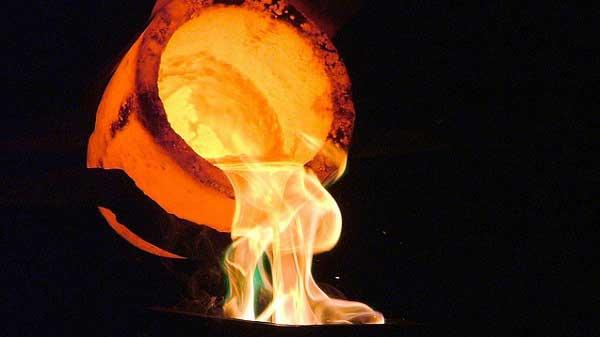
Gold Refiners in Kenya: As of this writing, Kenya does not yet have a fully operational, internationally accredited gold refinery. The country’s first state-backed facility — a KES 5.8 billion refinery in Ikolomani, Kakamega County — is in its final construction and equipment-installation phase, with operational targets that have slipped from an original June 2025 estimate to around mid-2026.
Until it’s confirmed fully operational, the large majority of Kenyan gold is assayed and partially processed domestically (mainly in Nairobi) but sent abroad — chiefly to Dubai, South Africa, or Switzerland — for full refining to internationally tradeable bullion standard.
Buyers should treat any Kenya-based facility calling itself a “refiner” with caution until its licensing and accreditation are independently verified.
Why This Matters Before You Buy or Export
Refining status affects two things buyers care about most: whether a purity certificate will be accepted internationally, and whether you’ll face additional re-assay costs once gold leaves Kenya.
A certificate from a facility that isn’t independently accredited may be accurate, but it won’t carry the same weight with an international bank, refiner, or bullion dealer that requires LBMA (London Bullion Market Association) Good Delivery accreditation — a standard no Kenyan facility currently holds.
Kenya’s First National Gold Refinery: Ikolomani, Kakamega
The Government of Kenya broke ground on the country’s first dedicated gold refinery in Ikolomani, Kakamega County in mid-2024, on 14 acres of land handed over by the county government in the Igukhu area. Key facts:
- Cost: KES 5.8 billion
- Purpose: Process gold from artisanal and small-scale miners, formalize the informal mining sector, and add domestic value before export
- Original target: Operational by June 2025
- Revised target: Equipment installation and operationalization around May 2026, per a Deputy President site-inspection update
- Nearby reserves: The Lirhanda Corridor and surrounding areas hold an estimated 1.1–1.3 million ounces of identified gold deposits, which the refinery is intended to serve
Timelines on infrastructure projects of this scale commonly slip further, so confirm the refinery’s actual operational status directly with the Ministry of Mining, Blue Economy and Maritime Affairs before assuming it’s processing gold commercially.
Where Kenyan Gold Is Actually Refined Today
Until Kenya’s domestic refinery is fully operational and accredited, gold produced or traded in Kenya generally follows one of these routes:
- Exported as doré or raw gold to refineries in Dubai, South Africa, or Switzerland, where it’s refined to LBMA Good Delivery standard.
- Assayed and partially processed in Nairobi by dealers and aggregators, who confirm purity and prepare gold for export, without performing full bullion-grade refining themselves.
- Sold domestically as jewelry-grade gold, which doesn’t require the same refining standard as investment bullion.
This means that for most international buyers sourcing 24K investment-grade bars “from Kenya,” the gold’s final refining — and the certificate that matters most for resale — often actually happens outside the country, even when the gold itself was mined and initially traded in Kenya.
Nairobi-Based Gold Processing and Assay Facilities
Several private facilities in and around Nairobi offer gold assay, purity testing, and processing services to dealers and exporters. These play a real role in Kenya’s gold trade, but buyers should not assume “processing facility” is equivalent to “internationally accredited refinery.” Before relying on any Kenya-based facility’s certificate for a significant purchase:
- Confirm the facility’s license status directly with the Ministry of Mining.
- Ask specifically whether their assay is independently accredited, and by which body.
- For larger transactions, arrange independent re-assay at a recognized international facility rather than relying solely on a domestic certificate.
How to Verify a Kenyan Refiner or Assayer Before You Trust Their Certificate
- Check licensing directly with the Ministry of Mining, Blue Economy and Maritime Affairs rather than taking a company’s own claims at face value.
- Ask what accreditation (if any) backs their assay results — a facility with no named accrediting body should be treated as a preliminary check, not a final purity guarantee.
- Confirm whether the gold will need re-refining or re-assay once it leaves Kenya, and factor that cost into your purchase price.
- Work through an established supplier with a documented export track record, who can tell you plainly where in the chain the gold is actually refined rather than implying it’s refined locally when it isn’t.
FAQs – Gold Refiners in Kenya
Does Kenya have an operating gold refinery? Not yet fully operational as of this writing. The country’s first state-backed refinery, in Ikolomani, Kakamega, is in its final construction and equipment phase, with operational timelines that have moved from mid-2025 toward mid-2026.
Where is Kenyan gold refined if not in Kenya? Most Kenyan gold destined for international bullion markets is refined abroad, commonly in Dubai, South Africa, or Switzerland, after being assayed and partially processed domestically.
Is a certificate from a Nairobi gold dealer internationally valid? It may accurately state purity, but unless the issuing facility holds recognized international accreditation, an overseas buyer, bank, or refiner may still require independent re-assay.
When will Kenya’s gold refinery be fully operational? Government updates have cited a target around mid-2026 for equipment installation and operationalization, following an earlier June 2025 estimate. Confirm current status with the Ministry of Mining before relying on this for a transaction.
Why does refining location matter for gold buyers? It determines whether your purity certificate will be accepted without further testing by international banks, refiners, or resale markets — a real cost and time factor for cross-border transactions.
Source Your Gold Through a Transparent Supply Chain
Knowing exactly where your gold is refined — not just where it’s assayed — protects you from unexpected re-testing costs and delays. Africa Gold Suppliers Ltd is transparent about the full chain of custody for gold sourced through Kenya and the wider region, including where refining actually takes place. See our full services or contact our team to confirm sourcing and refining details before you commit to a purchase.