How Can I Buy 1 Kilogram of Gold Directly from Africa?
You can buy 1 kilogram of gold directly from Africa by purchasing from a legally authorised gold dealer or exporter, verifying the gold’s purity and origin, agreeing on a transparent price and arranging compliant international delivery. Before paying, confirm that the supplier can provide the required export documentation and that the gold meets your specifications.
A 1 kilogram gold bar is a substantial investment, so buyers should carefully check the supplier, product and transaction terms. The safest approach is to request a written quotation, arrange independent verification and understand the complete cost of importing the gold into your country.
How to Buy 1 Kilogram of Gold Directly from Africa
1. Find a Reliable African Gold Supplier
Start by identifying a gold supplier that is legally authorised to trade or export gold in the country where the transaction takes place.
Verify the company’s registration, relevant mineral dealer or exporter licence, business address and ability to supply the quantity you require. A local trading licence does not necessarily authorise international exports, so confirm which entity will legally export the gold.
You should also ask where the gold originates and how the supplier documents its source.
Africa Gold Suppliers Ltd presents itself as a Kampala-based gold supplier sourcing from Uganda and East Africa. Buyers should independently verify its current authorisations and the documents applicable to their proposed shipment.
Read our guide to choosing a reliable gold supplier in Africa before making a large purchase.
2. Choose the Right Gold Purity
Before requesting a price, decide whether you need refined investment gold or another form of gold.
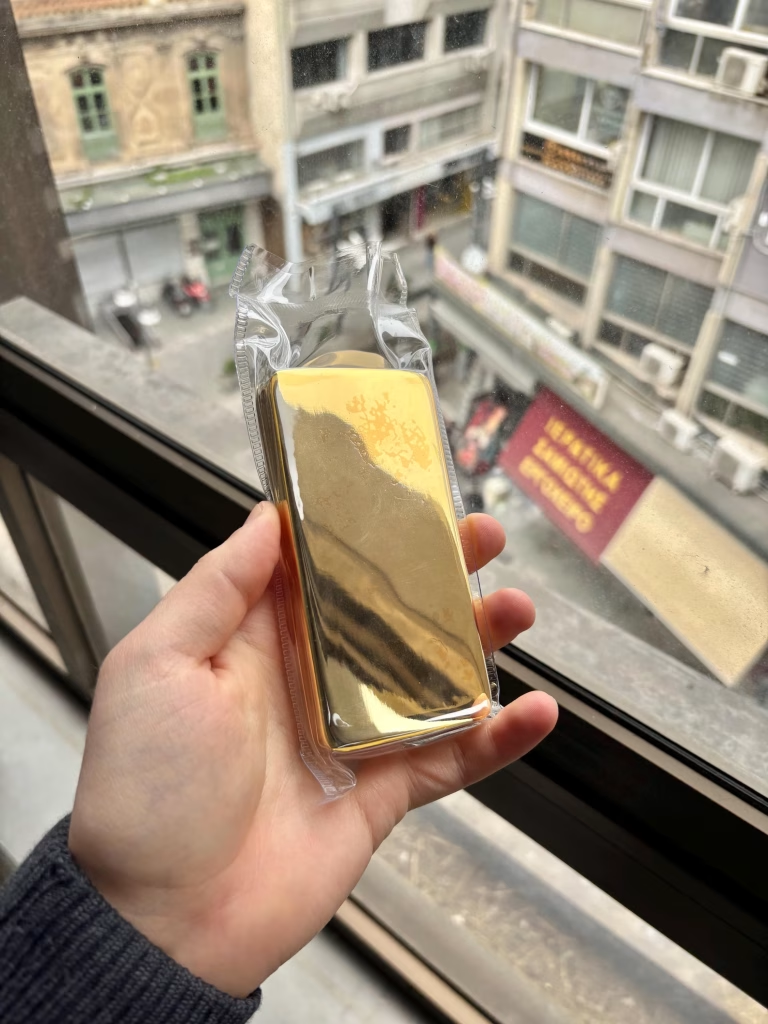
For a 1 kilogram investment bar, buyers commonly request 24K gold with a fineness of 999 or 999.9.
Common gold purity levels include:
- 999.9 fine gold: 99.99% gold by weight.
- 999 fine gold: 99.9% gold by weight.
- 916 gold: Approximately 91.67% gold, commonly called 22K.
- 750 gold: 75% gold, commonly called 18K.
A 1 kg bar refers to its gross weight. A 999.9 fine bar contains approximately 999.9 grams of gold.
Confirm the bar’s weight, fineness, markings and serial number where applicable. Request an assay certificate that corresponds to the actual bar or batch being sold.
3. Request a Current Price for 1 Kilogram of Gold
The price of a 1 kg gold bar is based mainly on the international gold benchmark, the bar’s purity and the supplier’s premium.
One kilogram equals approximately 32.1507 troy ounces. To estimate the underlying metal value, multiply the benchmark price per troy ounce by 32.1507, then adjust for the gold’s fineness.
The supplier may add a premium for refining, fabrication, assay, handling and other services.
Ask for a written quotation showing:
- Gold weight and purity.
- Pricing benchmark and quotation time.
- Supplier premium.
- Assay and export charges.
- Shipping and insurance.
- Any applicable taxes or levies.
Gold prices fluctuate, so request a current quotation rather than relying on an old online price.
You can compare pricing information in our guide to gold bar prices in Africa.
4. Verify the Gold Before Payment
Never rely only on photographs, videos or a seller’s verbal assurance that the gold is genuine.
Arrange an independent inspection and assay by a competent laboratory or qualified assayer. The inspection should confirm the gold’s weight, fineness and identifying details.
For a high-value purchase, consider having the assay conducted by an independent party selected by you or mutually agreed upon with the supplier.
Check that the assay certificate matches the actual bar or batch. If the supplier refuses reasonable independent verification, treat the transaction as high risk.
Learn more about verifying African gold purity, origin and export documents.
5. Confirm the Gold’s Origin and Export Documents
Buying gold directly from Africa requires evidence that the gold was lawfully sourced and can legally be exported.
Depending on the country and transaction, documents may include:
- Valid dealer or exporter licence.
- Shipment-specific gold export permit.
- Certificate of origin and supporting source records.
- Assay certificate.
- Refining record, where required.
- Commercial invoice and packing list.
- Customs export declaration.
- Proof of applicable royalties or levies.
- Air waybill and insurance certificate.
The exact requirements differ between countries. Confirm the current rules with the relevant mining authority, customs authority or qualified clearing agent.
Review our gold export documents checklist before proceeding.
6. Agree on Safe Payment Terms
Before sending money, sign a written sales agreement or purchase order that identifies the buyer, seller, gold specifications, price, payment conditions and delivery responsibilities.
For a 1 kg gold purchase, consider payment arrangements linked to agreed inspection, assay results or documented delivery milestones.
Use traceable payment channels and verify the beneficiary’s bank details independently. Payment should go to the verified contracting party or an agreed regulated service provider.
Avoid paying unexplained advance fees to individuals, personal accounts or cryptocurrency wallets. Be cautious of offers priced significantly below the current international gold benchmark.
7. Arrange Secure International Shipping
Once the gold and export documents are verified, arrange suitable transportation to your destination.
Gold should be shipped using a logistics arrangement that accepts precious metals and provides appropriate security, customs handling and insurance.
Confirm the carrier, route, declared value, insurance coverage and delivery location in writing. Check whether insurance covers the full journey and understand its exclusions.
Also establish who is responsible for export clearance, import customs procedures and destination-country taxes.
Read our guide to shipping and insuring gold internationally for further details.
8. Calculate the Total Landed Cost
The supplier’s quoted gold price is not necessarily the final amount you will pay.
Your total landed cost may include the gold purchase price, supplier premium, assay, export documentation, shipping, insurance, customs brokerage, import duties and applicable taxes.
Use this formula:
Total landed cost = Gold price + Premium + Export costs + Shipping + Insurance + Import charges
Divide the total by 1,000 to calculate the landed cost per gram for a 1 kg shipment.
Request an itemised quotation before committing to the purchase so you can compare the complete cost with other suppliers.
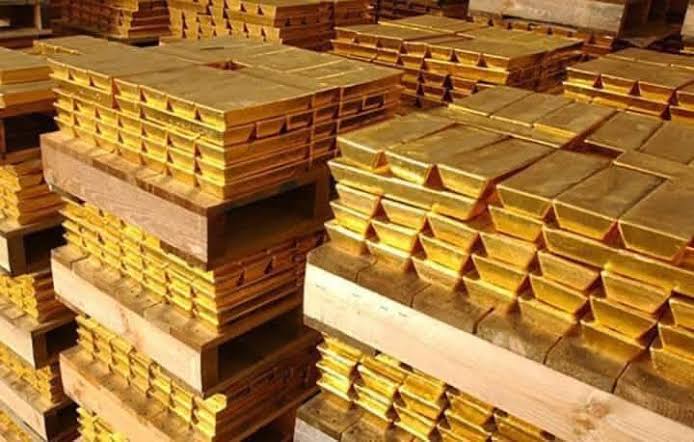
Buy 1 Kilogram of Gold from Africa Gold Suppliers
Africa Gold Suppliers Ltd provides information about refined gold bars, sourcing, export documentation and international delivery on its official website.
If you are interested in purchasing 1 kilogram of gold, prepare your preferred purity, destination country and delivery requirements before requesting a quotation. Verify the supplier’s current authorisations and all shipment-specific documents independently.
Final Considerations
Buying 1 kilogram of gold directly from Africa requires careful supplier verification, purity testing, transparent pricing and legal export arrangements.
Before payment, confirm the gold’s weight and fineness, verify its origin, review the export documents and agree on secure shipping. Calculate the total landed cost so you understand the complete financial commitment.
A properly documented transaction helps you purchase gold with greater confidence and reduces the risks associated with international gold trading.