
Top African Countries to Buy Gold: The Complete Guide
Top African Countries to Buy Gold: Uganda, Ghana, South Africa, Mali, Burkina Faso, Tanzania, and the Democratic Republic of Congo are the top African countries to buy gold today, each offering certified 22K to 24K gold at prices that typically undercut Western retail by sourcing closer to the mine.
This guide covers exactly what each country offers, current pricing, real purity standards, and how to buy safely and legally — whether you’re in the USA, Europe, Dubai, or China.
Why Buy Gold in Africa?
Africa produces roughly a fifth of the world’s mined gold, and buying directly from the continent — rather than through Western retail channels that have already added refining, distribution, and retail markup — genuinely reduces what you pay per gram.
That said, “cheaper” only holds true when the gold is properly licensed, assayed, and documented; the savings from mine-direct sourcing evaporate quickly if you end up with misrepresented purity or a seizure at customs. This guide covers both sides: where the real opportunities are, and how to actually access them safely.
Here are the Top African Countries to Buy Gold Explained;
Uganda: East Africa’s Rising Gold Investment Destination
Uganda has become one of the fastest-growing gold trade hubs in Africa, driven by expanding mining infrastructure and genuine regulatory reform under the Mining and Minerals Act, 2022.
Investors can find 22K to 24K gold bars and coins, sourced from artisanal and semi-industrial mining regions including Karamoja, Mubende, Buhweju, and Busia.
At today’s international spot price of approximately $143.16 per gram ($4,453 per troy ounce), certified Uganda-sourced 24K gold typically prices at a modest premium over spot — genuinely competitive with international rates once you account for how few intermediary layers sit between a licensed Ugandan exporter and the buyer.
The Ministry of Energy and Mineral Development and the Directorate of Geological Survey and Mines continue tightening oversight to ensure legitimacy, with government-recognized assaying confirming purity before export.
Most buyers access gold through licensed dealers based in Kampala, where certified sellers serve both domestic and international clients — always confirm a dealer’s current-year Mineral Dealer’s Licence before transacting, and insist on independent assay documentation rather than a seller’s own purity claim. Uganda’s gold is largely positioned as conflict-free sourcing, adding real appeal for ethically-minded investors specifically.
Ghana: West Africa’s Gold Trade Leader
Ghana remains Africa’s largest gold producer and one of the most regulated gold markets on the continent, anchored by the Ghana Gold Board (GoldBod), established in 2025 with exclusive national authority over gold buying, selling, assaying, and export. Ghana offers pure 24K bullion bars produced through licensed refineries including Gold Coast Refinery, with current 24K pricing running close to international spot, reflecting Ghana’s reduced intermediary costs relative to Western retail.
GoldBod’s oversight, alongside the Ghana Chamber of Mines, ensures genuine traceability and compliance — a significant improvement from Ghana’s previously more fragmented regulatory structure.
Major markets in Accra and Kumasi offer secure, in-person purchasing through licensed dealers, and Ghana’s gold sector continues attracting demand from Asian and Middle Eastern buyers specifically, alongside its established Western client base.
Ghana’s high-grade purity, certified export documentation, and active government involvement make it a genuinely strong option whether you’re buying gold online or through Ghana’s physical markets.
South Africa: The Continent’s Gold Refining Giant
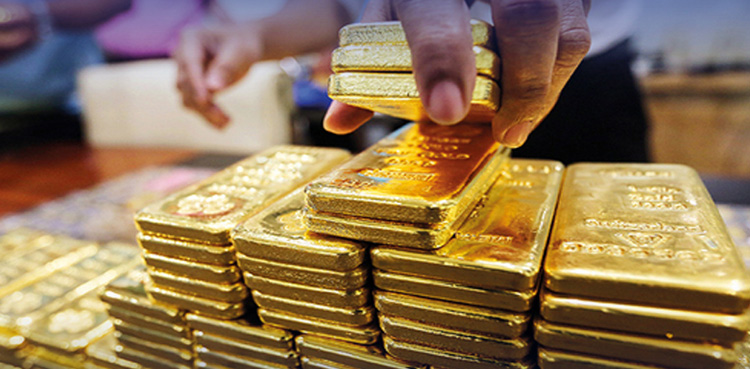
South Africa remains synonymous with gold globally, home to Rand Refinery — the only refinery in Africa accredited on the LBMA Good Delivery List — and major mining operations producing some of the continent’s most internationally recognized 24K gold bars.
South Africa’s gold pricing closely mirrors global spot rates, reflecting the country’s mature refining infrastructure and strict regulatory oversight through the South African Bureau of Standards, ensuring every certified product meets recognized international purity benchmarks.
Buyers can find trusted dealers in Johannesburg and Pretoria, with secure vaulting and storage facilities readily available for larger holdings. South Africa’s logistics infrastructure genuinely supports smooth export for bulk buyers and institutional investors specifically, making it a strong choice for anyone prioritizing internationally recognized certification and liquidity over the absolute lowest possible price.
Mali and Burkina Faso: High-Yield Frontier Markets
Mali and Burkina Faso represent genuinely more affordable gold sourcing in Africa, particularly for buyers willing to navigate less developed formal infrastructure than Uganda, Ghana, or South Africa offer. Gold here is mostly 22K to 24K, available in small bars, nuggets, and raw form, primarily extracted through artisanal mining.
Pricing in both countries typically tracks global spot closely, with modest premiums for verification and purity confirmation — genuinely competitive for buyers who can manage the additional due diligence these less formalized markets require.
Both countries maintain mining codes on paper, though enforcement varies meaningfully by region, making independent verification genuinely essential rather than optional.
Buyers should work exclusively with licensed dealers and verify authenticity through recognized assay offices in Bamako and Ouagadougou specifically.
For investors able to manage logistics and secure proper certification, Mali and Burkina Faso offer real entry-point advantages — bulk gold purchases from Mali specifically, sourced through a properly licensed export agent, can run meaningfully below international rates once shipped with full government clearance.
Tanzania: East Africa’s Growing Gold Trade Hub
Tanzania continues expanding as a strategic gold-buying destination, offering 22K to 24K gold bars, coins, and nuggets through an increasingly regulated dealer network.
Government reforms have genuinely streamlined gold trader licensing in Tanzania, boosting both transparency and investor confidence relative to where the sector stood just a few years ago.
Dar es Salaam hosts several reputable gold shops and assaying labs, making direct purchase genuinely convenient for visitors.
Tanzania’s proximity to major mining belts across the Lake Victoria Goldfields, combined with improving oversight and investor protections, positions the country among the more compelling East African options for mid-size and wholesale buyers specifically, alongside Uganda.
DRC: High Potential, Genuinely Higher Caution Required
The Democratic Republic of Congo holds some of Africa’s richest gold deposits, producing abundant 22K to 24K alluvial gold from provinces including Ituri, North Kivu, South Kivu, and Haut-Uélé. It’s genuinely important to be direct here: buying gold from the DRC carries real additional risk relative to the other countries in this guide, given the eastern provinces’ documented history of conflict connected to mineral extraction.
Pricing is often below other African markets, but that discount exists precisely because verification and compliance costs are genuinely higher here than almost anywhere else on the continent.
Buyers should work exclusively with licensed exporters who can demonstrate iTSCi conflict-mineral traceability certification alongside standard Ministry of Mines export permits and independent assay documentation.
Kinshasa serves as the country’s main commercial hub for certified dealers, but the DRC is genuinely not a market for buyers unwilling to invest real effort in supply-chain verification — the potential cost savings simply don’t justify the risk for anyone unable or unwilling to do that diligence properly.
Which African Country Offers the Cheapest Gold?
Uganda is frequently cited as the cheapest country to buy gold in Africa, reflecting lower mining and production costs, minimal export taxes, and a mine-direct sourcing model with genuinely fewer intermediary layers than more heavily industrialized markets.
Mali and Burkina Faso also offer competitively low pricing, though buyers must weigh that discount against the additional verification effort both markets require. It’s worth being precise here: “cheapest” applies specifically to certified, mine-direct sourcing at meaningful volume — retail jewelry pricing in any of these countries includes its own separate markup structure unrelated to national-level cost advantages.
What Types of Gold Are Available for Sale in Africa?
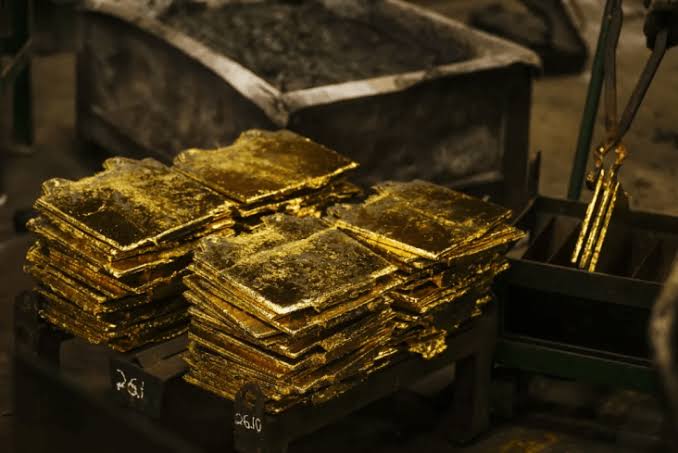
Gold bars — available from 1 gram up to 1 kilogram, ideal for investors and bulk buyers prioritizing maximum liquidity and straightforward resale.
Gold nuggets — naturally occurring pieces sourced directly from mines, appealing to collectors and buyers wanting gold in its rawest recognizable form.
Gold coins — popular with both collectors and investors, available in 24K and 22K purity depending on the specific mint.
Gold dust — unrefined gold in fine particle form, commonly purchased by buyers with their own refining access or capacity.
Gold jewelry — finished pieces crafted from 18K, 22K, or 24K gold, valued partly for craftsmanship alongside metal content.
Refined gold bullion — high-purity (99.9%, 24K) gold from accredited refineries, the standard format for serious investment holdings.
Understanding Gold Purity When Buying in Africa
Most African gold markets offer 22K to 24K gold, though real variation exists between countries and even between individual dealers within the same city.
Ugandan refineries frequently produce 99.9% pure (24K) bars refined domestically, while Ghana and South Africa also produce high-purity bars through internationally certified refineries.
Purity directly determines both pricing and resale value, particularly relevant if you’re exporting or holding gold as a long-term investment — always request a genuine assay report confirming fineness and weight before any purchase, regardless of which country you’re buying in.
How Do You Avoid Scams When Buying Gold in Africa?
Verify the dealer’s license directly with the relevant mining or trading authority — never accept a seller’s own claim without independent confirmation.
Request proper documentation — certificates of authenticity, assay reports, and export permits should all be provided without hesitation by any legitimate seller.
Use secure, traceable payment methods — bank transfer or a genuine escrow arrangement, never untraceable cash or informal transfer for any transaction of real size.
Insist on independent purity testing — XRF or fire assay conducted by a lab genuinely separate from the seller, before any payment changes hands.
Be skeptical of unusually low prices — pricing significantly below market value is one of the most reliable fraud indicators in this entire market, not a genuine bargain.
Work only with established, licensed companies with a verifiable track record, rather than informal middlemen with no checkable legal presence.
How to Import Gold From Africa Legally
Importing gold from Africa — to the USA, Europe, Dubai, or China — requires a licensed supplier, complete export documentation, and compliance with your own country’s import regulations.
In the US specifically, this means working with a properly registered exporter who handles export permits, purity certification, and customs paperwork on your behalf, with insured shipping through recognized carriers such as Brinks or Malca-Amit.
European buyers should confirm EU-compliant paperwork and, where relevant, SGS inspection alongside standard customs documentation. Dubai and broader Gulf-region buyers should confirm the exporter’s documentation meets UAE customs requirements specifically, and Chinese buyers working with African suppliers should confirm whichever trade terms — CIF, FOB, or equivalent — are being used and what that means for where risk and cost responsibility actually sit during transit.
Whichever destination you’re importing to, the core requirement doesn’t change: a valid gold export license from the source country’s mining or export authority, an assay certificate confirming purity, and a certificate of origin — the same three documents that protect you regardless of which African country your gold originates from.
FAQs – Top African Countries to Buy Gold
Which African country is best for buying gold? It depends on your priority — Uganda and Mali offer the most competitive pricing, Ghana and South Africa offer the strongest regulatory infrastructure and international certification, and Tanzania offers a genuine middle ground between the two.
Is it legal to buy and export gold from Africa? Yes, provided you work with a licensed dealer and comply with both the exporting country’s regulations and your own country’s import rules — always request the specific export license and assay documentation before paying.
How much does gold cost in Africa compared to international spot? Certified 24K gold from licensed African exporters typically prices within a small premium of international spot — often 1.5% to 4% above spot for mine-direct sourcing, genuinely lower than the 5% to 10%+ premiums common at Western retail.
What’s the safest way to pay for gold in Africa? Bank transfer to a verified, registered corporate account, or an escrow arrangement for larger transactions — never cash or untraceable informal transfer services.
Can I buy gold in Africa as a foreign investor? Yes, through a licensed local exporter who handles the export permit, assay certification, and customs documentation on your behalf — most African gold markets restrict direct export licensing to registered local entities, making a properly licensed local partner genuinely necessary rather than optional.
Buy Certified Gold Direct From Africa’s Top Producing Countries
We’re a licensed gold exporter sourcing certified 24K, 22K, and 18K gold bars, nuggets, and dust directly from licensed operations across Uganda, Ghana, Tanzania, South Africa, Mali, and the DRC, with full assay certification, certificate of origin, and export documentation on every order.
Browse our country-specific guides to Uganda, where and how to buy gold in Uganda, Uganda’s gold export laws, the Congo, Kenya, South Africa, Zimbabwe, and Tanzania, or our gold producing countries in Africa and gold refineries in Africa guides for the fuller continental picture.
Our gold bar price comparison for South Africa and 22K gold price guide cover pricing across purity levels in more depth. For international buyers, our delivery guides cover Dubai, Switzerland, Canada, Singapore, and the USA, alongside our broader gold bars from Africa and African gold bars for sale collections.
Our guides to gold bar, gold nugget, and raw gold cover the different product forms available, and our gold vs. silver comparison is worth a look if you’re diversifying. Before buying, our FAQs about buying gold in Africa, how to buy gold online safely, and exporting gold bullion guides cover full due diligence, and our buy gold from local miners page rounds out the sourcing side.
Get a Live Quote for Certified Gold From Across Africa
Ready to invest in gold the smart way? Whether you’re in the USA, Dubai, China, or Europe, we help you import certified gold from Africa’s top producing countries legally and securely.
Contact us today for bulk purchases, secure courier delivery, and personalized sourcing guidance, or explore our full range of services and learn more about us as a licensed African gold exporter.
Related Pages
- Buy Gold in Uganda
- Where and How to Buy Gold in Uganda
- Uganda Gold Export Laws
- What Is the Price of 22K Gold?
- Buy Gold in Congo
- Buy Gold in Nairobi
- Buy Gold and Silver in South Africa
- Gold Bar Price in South Africa
- Buy Gold in Zimbabwe
- Buy Gold Bullion from Mwanza
- Buy Gold from Local Miners
- Buy Gold Online in Switzerland
- Buy Gold Online in Canada
- Buy Gold in Dubai
- Buy Gold Bars from Africa
- Buy Gold in Singapore
- African Gold Bars for Sale
- Buy Gold in Uganda from the USA
- Gold Bar
- Gold Nugget
- Raw Gold
- Gold vs. Silver
- Gold Producing Countries in Africa
- Gold Refineries in Africa
- FAQs About Buying Gold in Africa
- How to Buy Gold Online Safely
- Exporting Gold Bullion
- About Us
- Contact Us