
24K Gold vs. 22K Gold: Which Is Better for Investment in 2026? (Full Comparison Guide)
24K gold vs. 22K gold — complete 2026 comparison covering purity, prices, investment returns, durability, resale value, and which is better for jewelry or investment. Updated with live May 2026 prices.
24K vs. 22K Gold: The Quick Answer for 2026
If you are buying gold purely as an investment, 24K gold is the better choice — it is 99.9% pure, universally recognized, maximally liquid, and directly tracks the LBMA international gold price.
If you are buying gold for everyday jewellery, gifting, or in markets with strong cultural traditions around gold wear (India, the Middle East, West Africa), 22K gold offers the better balance of purity, durability, and craftsmanship value.
As of May 8, 2026, the price difference between 24K and 22K gold per gram is approximately $13–$14 USD — reflecting the 8.4% purity gap between them. With gold at all-time highs, understanding this difference has never been more financially significant.
Current Gold Prices: 24K vs 22K vs 18K
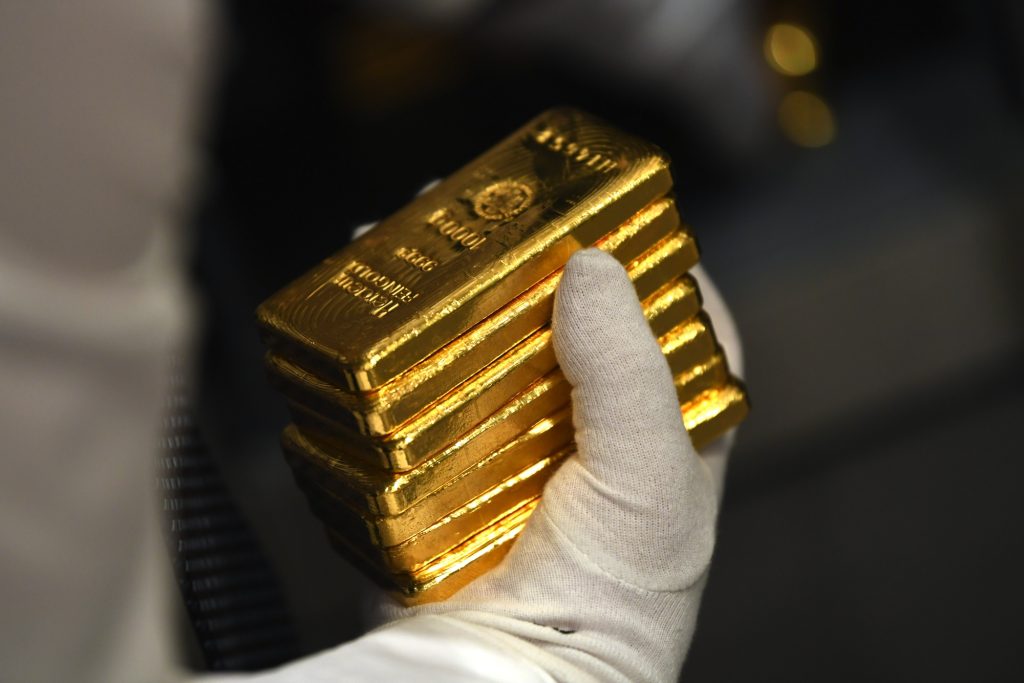
As of May 7–8, 2026, gold prices per gram in USD are: 24K at $151.59, 22K at $138.86, 21K at $132.64, and 18K at $113.70.
Live Gold Price Comparison Table — All Karats (May 8, 2026)
| Karat | Purity | Price/Gram (USD) | Price/Troy oz (USD) | Price/kg (USD) |
|---|---|---|---|---|
| 24K | 99.9% | $151.77 – $152.36 | $4,720 – $4,739 | $151,770 – $152,365 |
| 22K | 91.6% | $139.00 – $139.60 | $4,326 – $4,342 | $139,000 – $139,600 |
| 21K | 87.5% | $132.80 – $133.30 | $4,130 – $4,147 | $132,800 – $133,300 |
| 18K | 75.0% | $113.80 – $114.30 | $3,540 – $3,555 | $113,800 – $114,300 |
| 14K | 58.5% | $88.80 – $89.10 | $2,761 – $2,773 | $88,800 – $89,100 |
| 10K | 41.7% | $63.30 – $63.50 | $1,968 – $1,976 | $63,300 – $63,500 |
Spot reference: $4,739 USD/troy oz (May 8, 2026). Prices change every minute during market hours.
24K vs 22K Price Difference Per Weight (May 2026)
| Weight | 24K Price | 22K Price | You Save with 22K |
|---|---|---|---|
| 1 gram | $152.36 | $139.60 | $12.76 (8.4%) |
| 5 grams | $761.80 | $698.00 | $63.80 (8.4%) |
| 10 grams | $1,523.60 | $1,396.00 | $127.60 (8.4%) |
| 100 grams | $15,236 | $13,960 | $1,276 (8.4%) |
| 1 kilogram | $152,365 | $139,600 | $12,765 (8.4%) |
The 8.4% price difference is fixed and permanent — it reflects the mathematical ratio of gold content (22/24 = 91.6%). This gap does not change regardless of gold price levels.
What Is 24K Gold? Everything You Need to Know
24 karat gold (also written 24K or 999) is the purest commercially available form of gold, containing 99.9% gold by weight with virtually no other metals. The “24” in 24K refers to 24 parts gold out of 24 — mathematically perfect pure gold.
Key Characteristics of 24K Gold
| Property | 24K Gold |
|---|---|
| Purity | 99.9% (also expressed as 999.9 fine) |
| Color | Rich, vivid bright yellow — the purest gold color |
| Hardness | Soft — 2.5 on the Mohs scale |
| Density | 19.32 g/cm³ |
| Hallmark | 999 or 9999 |
| Common forms | Bars, bullion coins, cast jewelry |
| Best for | Investment, wealth storage, gold ETF backing |
Where 24K Gold Is Used
Investment bars and bullion: The international standard for LBMA Good Delivery bars, which underpin the entire global gold trading system, is 99.5% minimum purity (effectively 24K). Brands like PAMP Suisse, Valcambi, and Rand Refinery produce 24K (99.99%) bars with complete certification.
Investment coins: The Canadian Gold Maple Leaf (99.99%), Australian Gold Kangaroo (99.99%), and Austrian Gold Philharmonic (99.99%) are the world’s most popular 24K bullion coins — chosen specifically for their maximum purity.
Asian and Middle Eastern jewelry: Markets in China, Japan, and parts of Southeast Asia traditionally prefer 24K gold jewelry, accepting its softness in exchange for maximum gold value. In China, chuk kam (“pure gold”) jewelry is 99.9% pure and highly prized.
Gold ETFs and exchange-traded products: All physically backed gold ETFs and bank gold accounts hold investment-grade gold, which is always 99.5%+ purity (24K standard).
What Is 22K Gold? Everything You Need to Know
22 karat gold (also written 22K or 916) contains 91.6% gold by weight, with the remaining 8.4% consisting of alloy metals — typically copper, silver, zinc, or nickel. The specific alloy composition varies by manufacturer and intended use.
Key Characteristics of 22K Gold
| Property | 22K Gold |
|---|---|
| Purity | 91.6% gold (916 parts per 1,000) |
| Color | Rich yellow, slightly less vivid than 24K |
| Hardness | Harder than 24K — more resistant to scratching |
| Hallmark | 916 |
| Common forms | Jewelry, some bullion coins |
| Best for | Everyday jewelry, gifting, cultural purchases |
Where 22K Gold Is Used
Jewellery across Asia, the Middle East, and Africa: 22K is the dominant gold purity for jewellery in India, Pakistan, Bangladesh, the Gulf States, and much of East and West Africa. It offers a balance between high gold content and the durability needed for rings, bangles, chains, and necklaces worn daily.
Bullion coins: Some of the world’s most famous gold coins are 22K — including the South African Krugerrand (91.67% gold + 8.33% copper) and the American Gold Eagle (91.67% gold + copper/silver), whose slight hardness from copper alloying improves resistance to circulation wear.
Traditional and bridal jewellery: In India alone, 22K gold jewellery represents the majority of the world’s largest gold jewellery market.
It is chosen for wedding jewellery specifically because it is harder than 24K while retaining a high gold content appropriate for heirloom pieces.
24K vs 22K Gold: Full Head-to-Head Comparison
Purity
| 24K | 22K | |
|---|---|---|
| Gold content | 99.9% | 91.6% |
| Alloy content | 0.1% | 8.4% |
| Purity mark | 999/9999 | 916 |
| International standard | LBMA investment grade | Common jewellery standard |
Verdict: 24K wins on purity. If you want the most gold per gram, 24K is the only choice.
Prices
| 24K | 22K | |
|---|---|---|
| Per gram | ~$152.36 | ~$139.60 |
| Per troy oz | ~$4,739 | ~$4,342 |
| Per kilogram | ~$152,365 | ~$139,600 |
| Price difference | — | ~8.4% cheaper |
Verdict: 22K is cheaper per gram — but only because it contains less gold. If you measure both by equivalent gold content, the cost is identical (you pay 8.4% less for 8.4% less gold). Neither is objectively “cheaper” for the gold you receive; the cost per pure gold gram is the same.
Durability and Scratch Resistance
| 24K | 22K | |
|---|---|---|
| Hardness (Mohs) | ~2.5 | ~3.0–3.5 |
| Scratch resistance | Low — scratches easily | Moderate — more practical for daily wear |
| Bend resistance | Low — can deform under pressure | Better — holds shape in jewellery settings |
| Best for | Bars, coins, storage | Rings, bangles, necklaces, bracelets |
Verdict: 22K wins on durability. The copper and other alloys in 22K make it meaningfully more resistant to everyday wear and tear. For jewellery that will be worn regularly, 24K is genuinely impractical.
Investment Value and Resale Liquidity
| 24K | 22K | |
|---|---|---|
| International recognition | Universal | Widely accepted |
| Ease of resale | High — dealer buyback globally | Medium — value depends on form (bar vs jewellery) |
| Value per gram of pure gold | Equal | Equal |
| Best form for resale | LBMA-certified bars | Investment coins (Krugerrand, Eagle) |
| Discount at resale | Minimal for certified bars | Higher for jewellery (making charges not recovered) |
Verdict: 24K wins for pure investment resale. An LBMA-certified 24K gold bar sells instantly at posted buyback rates at any authorized dealer worldwide with minimal documentation.
Jewellery in 22K — particularly pieces with making charges embedded in the purchase price — loses 10–20% of its value relative to spot upon resale because dealers pay only the melt value of the gold, not the craftsmanship premium you paid.
Colour and Aesthetic Appeal
| 24K | 22K | |
|---|---|---|
| Colour | Brightest, most vivid yellow | Rich yellow, very slightly less vivid |
| Visual difference | Perceptible in direct comparison | Similar in isolation |
| Colour consistency | Uniform pure gold colour | Slight variation depending on alloy |
Verdict: 24K wins for maximum colour intensity. However, to the naked eye in isolation, most people cannot reliably distinguish 24K from 22K jewellery.
Allergy Risk
| 24K | 22K | |
|---|---|---|
| Hypoallergenic | Yes — pure gold causes essentially no reactions | Depends on alloy — nickel can cause reactions |
| Risk metals | None | Copper, nickel, zinc (nickel is the main allergen) |
| Safe for sensitive skin | Yes | Check alloy composition; nickel-free 22K is safe |
Verdict: 24K wins clearly for hypoallergenic safety. Those with metal sensitivities should choose 24K or verify that 22K pieces are nickel-free.
Availability and Market Reach
| 24K | 22K | |
|---|---|---|
| Global investment market | Dominant (all gold bars, most ETFs) | Limited (mainly Krugerrand, Eagle coins) |
| Asian jewellery markets | Preferred in China, Japan, Vietnam | Dominant in India, Gulf states, Africa |
| Western jewellery | Rare | Available (but 18K and 14K more common in Europe/USA) |
24K Gold Price Trend 2024–2026: Historic Performance
Understanding recent price history is critical context for any gold buyer in 2026:
| Date | 24K Gold per gram (USD) | 24K Gold per oz (USD) | Event |
|---|---|---|---|
| May 2024 | ~$78/gram | ~$2,420/oz | Pre-bull market start |
| Dec 2024 | ~$98/gram | ~$3,050/oz | Strong year-end rally |
| Jan 28, 2026 | ~$180/gram | ~$5,602/oz | All-time record |
| May 8, 2026 | ~$152/gram | ~$4,720/oz | Current |
| 1-year gain | +39.25% | +39.25% | — |
| 2-year gain | +95%+ | +95%+ | Nearly doubled |
Gold rose by 39.25% over the past year, and has more than doubled over five years (+157.7%), with the market showing sustained bullish momentum driven by safe-haven demand and inflation hedging.
Which Is Better for Investment: 24K or 22K Gold?
For Pure Investment (Best Choice: 24K Gold)
24K gold is unambiguously the superior investment vehicle for buyers whose primary goal is:
- Long-term wealth preservation
- Maximum liquidity and ease of resale
- Tracking the LBMA gold spot price directly
- Holding an internationally recognized asset that can be sold anywhere in the world
A 100g LBMA-certified 24K gold bar from PAMP Suisse, Valcambi, or Rand Refinery can be sold within minutes at any major gold dealer in Zurich, London, Dubai, or Singapore at the current spot price with a minimal 1–2% dealer spread. That level of liquidity and universal recognition is simply not available for 22K jewellery.
Best 24K investment products:
- PAMP Suisse Lady Fortuna bars (1g–1kg)
- Valcambi cast bars and CombiBar
- Canadian Gold Maple Leaf coin (99.99%)
- Austrian Gold Philharmonic coin (99.99%)
- Zürcher Kantonalbank Gold ETPs
For Jewellery Investment (Best Choice: 22K Gold)
For buyers who want gold they can wear daily while retaining most of its investment value, 22K is the practical choice. Key considerations:
- Hard enough for rings, bracelets, and necklaces that will be worn regularly
- High enough purity (91.6%) to retain significant intrinsic gold value
- Widely accepted in buyback programs at jewellers and gold dealers
- Culturally appropriate and preferred in many market contexts (India, Gulf, West Africa)
Important note on jewellery as investment: When buying 22K jewellery with the intention of eventually selling it, you must understand that making charges (typically 8–20% of the raw gold price) paid at purchase are generally not recovered at resale. Jewellery dealers pay melt value, not craftsmanship value. For this reason, jewellery is better classified as a cultural or personal asset with gold content, not a pure investment.
24K Gold in Different Investment Forms (2026 Guide)
Gold Bars (Best Investment Grade)
- Available in 1g, 5g, 10g, 50g, 100g, 250g, 500g, and 1kg
- Certified to 99.99% purity with LBMA-accepted brands
- Lowest premiums over spot: 1–3% for 100g+ bars
- Serial numbered and assay-certified by manufacturer
- Current 1kg bar price: ~$152,365 USD
Gold Bullion Coins (Popular and Highly Liquid)
- Canadian Gold Maple Leaf (99.99%): $4,800–$4,950/oz (includes ~3–4% coin premium)
- Austrian Gold Philharmonic (99.99%): $4,800–$4,950/oz
- Australian Gold Kangaroo (99.99%): $4,820–$4,970/oz
- American Gold Eagle (91.67% — 22K): $4,750–$4,900/oz
- South African Krugerrand (91.67% — 22K): $4,720–$4,870/oz
Gold ETFs and Digital Gold
- No physical storage required
- Track the spot price with minimal tracking error
- Best for: Liquid investment, tax-efficient vehicles (particularly gold ETFs in CGT-exempt accounts)
- Examples: SPDR Gold Shares (GLD), iShares Gold Trust (IAU), ZKB Gold ETP
22K Gold Jewellery Hallmarks and Certification
When purchasing 22K gold jewellery, always verify:
Hallmarks to look for:
- 916 — the standard 22K hallmark (916 parts per 1,000 pure gold)
- Country-specific assay marks — e.g., BIS Hallmark in India, Dubai hallmark in UAE
- Manufacturer’s mark and date letter (in UK-hallmarked pieces)
Questions to ask your jeweller:
- What alloy metals are used in the 22K blend? (copper, silver, zinc — or does it include nickel?)
- Is the piece nickel-free? (critical for allergy-sensitive buyers)
- What is the making charge, and how is it calculated?
- What is the buyback policy if I want to resell?
Comparing 24K and 22K Gold Jewelry by Use Case
| Jewellery Type | Best Karat | Why |
|---|---|---|
| Engagement/wedding rings (daily wear) | 18K or 22K | 24K too soft; scratches and deforms easily |
| Bangles and bracelets | 22K | High gold content + daily wear durability |
| Chains and necklaces | 22K | Flexibility and durability in links |
| Pendants and earrings (less wear) | 24K or 22K | Either works; 24K acceptable for occasional pieces |
| Investment/ceremonial coins | 24K | Maximum value; limited handling |
| Bridal jewellery sets | 22K | Standard globally for heirloom gift sets |
| Gold bars for storage | 24K | Investment standard; no durability concern |
| Cultural/traditional pieces | 22K | Preferred in India, Gulf, Africa, SE Asia |
Pros and Cons: 24K Gold vs 22K Gold
24K Gold — Pros
✅ Highest purity: 99.9% gold — maximum intrinsic value ✅ Most liquid: Universally recognized, instantly tradeable globally ✅ Direct investment: Tracks spot price exactly — no alloy discount ✅ Hypoallergenic: No alloy metals to trigger skin reactions ✅ Long-term value: Best performer as a pure store of wealth ✅ Best for bars and ETFs: The standard for all investment-grade gold products
24K Gold — Cons
❌ Softer: Scratches, bends, and dents more easily than alloyed gold ❌ Higher cost: More expensive per gram ($13–$14 more than 22K in May 2026) ❌ Less practical for jewellery: Not suitable for rings or bracelets worn daily ❌ Bright colour: Some buyers prefer the slightly warmer tone of alloyed gold
22K Gold — Pros
✅ More durable: Alloys improve hardness for jewellery that withstands daily wear ✅ More affordable: ~8.4% lower cost per gram than 24K ✅ High purity: 91.6% gold — still a very high gold content ✅ Culturally preferred: Standard for bridal and traditional jewellery in Asia and Africa ✅ Krugerrand and Eagle coins: World’s most famous bullion coins are 22K
22K Gold — Cons
❌ Less pure: Contains 8.4% non-gold metals ❌ Less liquid as jewellery: Making charges not recovered at resale ❌ Allergy risk: Copper, nickel, or zinc may cause reactions in sensitive individuals ❌ Slightly less vivid colour: Alloys mute the pure gold yellow slightly
The 24K vs 22K Decision: A Quick Framework
Choose 24K gold if you are:
- Buying gold bars, coins, or bullion for investment
- Holding gold as a long-term store of value
- Wanting maximum liquidity and ease of global resale
- Building a gold portfolio tracked to the LBMA spot price
- Allergic or sensitive to metal alloys
Choose 22K gold if you are:
- Buying gold jewellery for daily wear
- Purchasing gold for a wedding, cultural ceremony, or gift
- Investing in gold jewellery in markets where 22K is the dominant standard (India, Gulf, Africa)
- Buying the Krugerrand or American Eagle for their numismatic value alongside gold content
FAQs: 24K vs, 22K Gold
Q: What is the current price difference between 24K and 22K gold? A: As of May 8, 2026, the price difference is approximately $12.76–$13.50 per gram — with 24K at ~$152.36/gram and 22K at ~$139.60/gram. The difference is always proportional to purity (8.4%) and scales linearly with the spot price. At current prices, a 1kg bar differs by approximately $12,765 between the two purities.
Q: Is 24K gold too soft for everyday wear? A: Yes — for practical purposes. 24K gold (99.9% pure) has a Mohs hardness of approximately 2.5 and will scratch from everyday contact with surfaces, other metals, or even fingernails over time.
Rings and bracelets in 24K would show visible scratching and deformation within weeks of daily wear. This is why 18K gold and 22K are preferred for jewellery.
Q: Which is better for investment: 24K or 22K gold? A: For pure investment purposes, 24K gold is definitively better. It offers maximum purity, universal recognition, the highest liquidity, and direct price correlation with the LBMA spot rate. Gold bars and coins in 24K (99.99%) are the international investment standard and can be sold instantly at any authorized dealer worldwide.
Q: Does 22K gold have lower resale value than 24K? A: For gold bars and investment coins, 22K has proportionally lower resale value (8.4% less per gram).
For jewellery, the situation is more complex: the making charges paid at purchase (8–20%) are typically not recovered at resale, since dealers pay melt value only. This makes 22K jewellery less efficient as a pure investment vehicle, though it retains significant intrinsic gold value.
Q: Can I sell 22K gold bars at the international spot price? A: 22K gold bars are less commonly traded at standard international gold counters than 24K LBMA-certified bars.
While they can be sold, the process often requires independent assay to confirm purity, which may introduce a small additional cost and delay. LBMA-accredited 24K bars are accepted instantly without re-assaying at authorized dealers globally.
Q: Which gold is better for gifting? A: For gifting jewellery, 22K is the standard choice — particularly in India, the Gulf states, and parts of Africa and Asia where 22K is the accepted norm for high-quality jewellery gifts.
For gifting a gold coin or small bar as an investment present, a 24K product (1g or 5g certified bar, or a 24K commemorative coin) is more appropriate.
Q: What hallmark does 22K gold have? A: 22K gold is hallmarked as 916 (representing 916 parts pure gold per 1,000). 24K gold carries a 999 or 9999 hallmark.
Q: Is 24K gold always better than 22K for investment? A: For bars and most investment products, yes. However, the South African Krugerrand and American Gold Eagle — two of the world’s most liquid and recognized gold investment coins — are both 22K (91.67% gold). Their global liquidity and collector appeal can sometimes equal or exceed that of 24K coins in certain markets.
Conclusion: The Right Gold for the Right Purpose
The 24K vs. 22K debate is not really a debate at all — once you understand the purpose:
If wealth preservation, investment, and resale liquidity are your goals → Choose 24K gold. At current May 2026 prices of approximately $152/gram, every gram of certified 24K gold you purchase is directly convertible to international spot value within hours, at any major bullion dealer in the world.
If jewellery, cultural tradition, and daily wear are your goals → Choose 22K gold. Its combination of 91.6% gold content and practical durability makes it the gold standard (literally) for jewellery production across the globe’s largest gold-consuming markets.
At Africa Gold Suppliers Ltd, we offer certified 24K gold bars and coins from Uganda, Ghana, Tanzania, and South Africa at mine-direct prices — delivered securely worldwide with complete documentation. For 22K jewellery-grade gold, we work with licensed artisanal producers across Africa’s richest goldfields.
Get a live price quote today: 📱 WhatsApp: +256 707 585144 🌐 buygoldbarsafrica.com
Prices last updated: May 8, 2026. 24K spot: $152.36/gram ($4,739.08/oz). 22K: $139.60/gram. All prices are live reference rates — verify with your dealer before transacting.
Useful Resources: