What It Takes to Extract Gold: A Comprehensive Guide to Mining, Processing & Refining
What it takes to extract gold: Learn the complete process of gold extraction—from geological exploration to refining. Discover mining methods, ore processing techniques, costs, environmental considerations, and how to extract gold profitably.
Introduction
Extracting gold is a multifaceted process that spans from initial geological exploration to final refining, requiring specialized expertise, significant capital investment, and advanced technology. Understanding how to extract gold—whether through hard rock mining, placer mining, or dredging—is essential for anyone involved in the gold industry, from exploration companies to investors sourcing raw gold from African mines.
The global gold extraction industry produces approximately 3,000 metric tons annually, with major production concentrated in countries like China, Australia, Russia, and South Africa.
However, emerging gold-producing regions in Africa—particularly Uganda, the Democratic Republic of Congo, Ghana, and Tanzania—are becoming increasingly important sources of certified gold for international buyers.
This comprehensive guide explores what it takes to extract gold at every stage, from identifying gold deposits to producing investment-grade 24K gold bars and refined bullion ready for global markets.
What is Gold? Understanding Gold’s Properties and Value
Gold is a precious, dense yellow metal with atomic number 79 on the periodic table, known scientifically as element Au. Its exceptional properties—including resistance to corrosion, malleability, and electrical conductivity—make it uniquely valuable across jewelry, electronics, dentistry, and investment sectors.
In nature, gold occurs as nuggets, grains, dust, or within mineral ores containing low concentrations of the metal. Most gold today is mined from ore bodies containing just 0.5 to 5 grams of gold per ton of rock, making efficient extraction technology critical to profitability.
Gold’s cultural significance stretches back millennia, symbolizing wealth, power, and stability across civilizations. As a modern investment, gold serves as a hedge against inflation and currency instability, with prices fluctuating around $2,500 per ounce in 2025. The metal’s recyclability means that approximately 30% of global gold supply comes from recycled sources—including gold from jewelry, electronics, and industrial scrap—reducing reliance on newly extracted ore.
Part 1: Understanding Gold Deposits and Geological Exploration
Where Gold Exists: Primary and Secondary Deposits
Gold deposits are broadly categorized into two main types, each requiring different extraction approaches:
Primary (Hard Rock) Deposits contain gold embedded in quartz veins or other host rocks deep underground. These lode deposits often contain higher gold concentrations but require deep mining, making extraction more capital-intensive and technically complex.
Secondary (Placer) Deposits form when gold particles erode from primary deposits and accumulate in riverbeds, streams, and alluvial soils. Placer deposits typically contain lower gold concentrations but are shallower and easier to access, making them attractive for small-scale mining operations.
Understanding which deposit type you’re working with fundamentally determines your mining method, equipment requirements, and overall extraction costs.
The Geological Exploration Process: Finding Viable Gold Deposits
Successful gold extraction begins long before mining starts. Geological exploration typically involves four key stages:
Prospecting and Remote Surveying
Geologists use remote sensing technology, satellite imagery, and airborne geophysical surveys to identify potentially gold-bearing areas. Methods include magnetic surveys (detecting magnetic anomalies associated with gold-bearing rocks), gravity surveys, and seismic surveys. This initial stage narrows down vast territories to promising exploration targets, reducing exploration costs before expensive ground work begins.
Sampling and Exploratory Drilling
Once prospecting identifies promising areas, geologists collect rock and soil samples and conduct exploratory drilling to assess gold grade (measured in grams of gold per ton of ore). Core samples are extracted from boreholes and sent to accredited laboratories for assay testing. Assays determine whether gold concentrations are high enough to justify further investment.
Resource Estimation and 3D Modeling
Using data from drilling campaigns, geologists create three-dimensional models of the ore body, estimating total gold tonnage, average grade, and geological continuity. Advanced modeling software allows mining engineers to optimize pit designs, mine plans, and extraction strategies before any major infrastructure investment.
Economic Feasibility Assessment
Exploration teams conduct pre-feasibility and feasibility studies, evaluating whether the gold deposit can generate sufficient revenue to cover extraction, processing, transportation, and regulatory costs. Gold prices fluctuate, so feasibility depends partly on market conditions. A deposit containing 100,000 ounces might be economic at $2,500/oz but uneconomical at $1,800/oz.
This exploration stage requires significant investment—typically $10 million to $100 million for surveys, drilling, assaying, and engineering studies—and may take 3-7 years before mining begins.
Part 2: Gold Mining Methods—Extracting Ore from the Earth
Once a viable deposit is identified, mining operations begin. The extraction method depends on deposit type, depth, grade, location, and environmental considerations.
Hard Rock Mining: Extracting Gold from Underground
Hard rock mining targets primary deposits where gold is locked within solid rock formations, often deep underground.
Open-Pit Mining
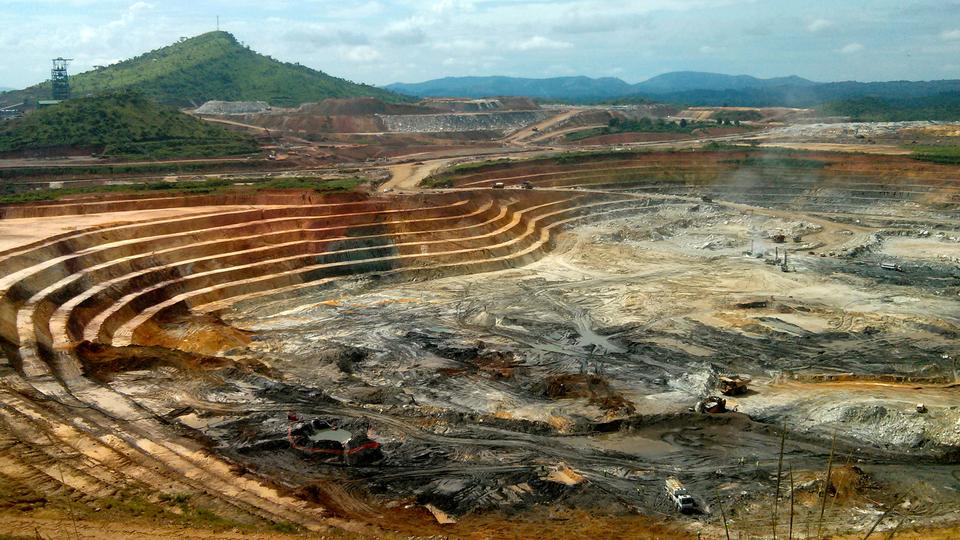
Open-pit mining is used for shallow to moderately deep gold deposits. Large-scale earth-moving equipment removes overburden (soil and barren rock covering the ore body), progressively deepening a pit as mining continues. This method uses:
- Hydraulic excavators (15–50 cubic meters capacity)
- Haul trucks (100–400 ton capacity)
- Rotary drills and explosives for rock fragmentation
- Shovels, dozers, and other heavy equipment
Open-pit mining’s primary advantages include high productivity, lower per-unit costs, and better safety (compared to underground mining). However, it creates large surface disturbances, requiring extensive environmental management and land reclamation. Notable examples include Australia’s Super Pit (one of the world’s largest open-pit gold mines) and major operations in Ghana and Tanzania.
Underground Mining
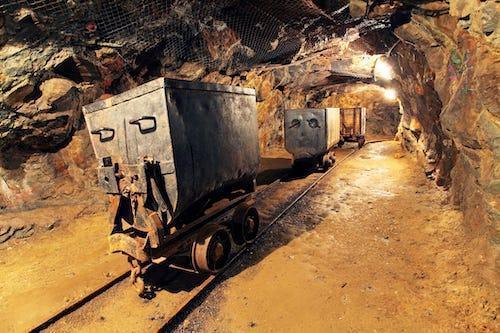
Underground mining targets deep deposits inaccessible by open-pit methods. Miners develop shafts (vertical access) and adits (horizontal tunnels) to reach ore bodies 500 meters to 3+ kilometers below surface. Common underground methods include:
- Cut-and-fill mining: Ore is extracted in horizontal slices, with waste rock used to fill the mined-out space, providing ground support for the next level.
- Block caving: Large blocks of ore-bearing rock are undercut, causing overlying rock to collapse naturally into collection areas below.
- Sublevel stoping: Ore is extracted in steps from sublevels, creating open voids that are backfilled with waste rock or mining tailings.
Underground mining requires specialized infrastructure—ventilation systems, water management, electrical supply, and extensive safety protocols—making it significantly more expensive than open-pit mining. However, it enables extraction of deep, high-grade deposits in geologically stable areas.
Placer Mining: Extracting Gold from Unconsolidated Sediment
Placer mining targets secondary gold deposits in riverbeds, streams, and alluvial plains where gold particles have been naturally concentrated through erosion and gravity.
Panning
Gold panning is the most basic and widely used placer mining technique, particularly in artisanal and small-scale mining operations. Miners fill a pan with sediment from gold-bearing streams, add water, and gently swirl the pan. Gold’s high density (19.3 g/cm³) causes it to settle at the bottom while lighter materials wash away. While panning is low-cost and requires minimal equipment, it’s labor-intensive and recovers only a fraction of available gold.
Sluicing
Sluicing directs water through a wooden or metal box (sluice box) containing riffles—cross-bars that trap heavy gold particles while lighter sediment washes away. Water flow must be carefully controlled to prevent loss of fine gold particles. Sluicing is significantly more efficient than panning and remains popular in small to medium-scale operations across African gold-producing regions.
Dredging
Mechanical dredges scoop sediment from riverbeds or shallow marine environments, process it on-site, and discharge tailings. Modern dredges can process hundreds of cubic meters daily, making them efficient for large-scale placer mining. However, dredging causes significant environmental disturbance to aquatic ecosystems and requires environmental permits in most jurisdictions.
Hydraulic Mining
Hydraulic mining uses high-pressure water jets (monitors) to dislodge gold-bearing gravel and sediment. While historically important in California and other regions, hydraulic mining is now rare in most countries due to severe environmental damage, including massive erosion, habitat destruction, and sediment loading in waterways.
Artisanal and Small-Scale Mining (ASM): Community-Based Gold Extraction
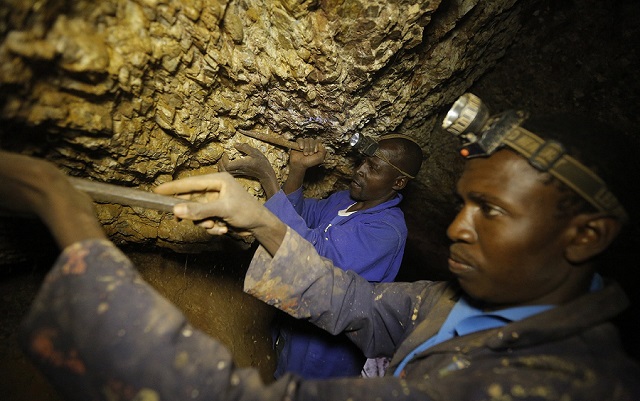
In developing regions, particularly across Africa, artisanal and small-scale mining (ASM) represents a significant portion of gold production—approximately 15-20% of global supply. ASM operations often employ basic tools (picks, shovels, pans) and simple processing techniques.
While ASM provides employment and income in regions with limited economic opportunities, it often operates in an informal or semi-regulated environment, creating significant challenges:
- Environmental risks: Mercury use in amalgamation pollutes waterways and soils; inadequate tailings management contaminates water supplies.
- Health hazards: Mercury exposure causes neurological damage; poor ventilation in underground workings causes respiratory disease.
- Social impacts: Child labor, conflict financing, and exploitative labor practices are common in unregulated operations.
- Economic vulnerability: ASM communities often lack access to fair markets, facing exploitation by middlemen.
Organizations working to improve ASM—including the World Gold Council and various NGOs—promote formalization, training, and adoption of responsible gold mining practices in Uganda, Congo, and other African nations.
Part 3: Ore Processing and Gold Extraction—From Rock to Refined Gold
Once mined, gold-bearing ore must be processed to separate gold from surrounding rock and waste material. Processing efficiency directly impacts profitability and determines whether low-grade deposits can be economically viable.
Crushing and Grinding: Preparing Ore for Chemical Processing
Initial Crushing
Primary crushers (jaw crushers or gyratory crushers) reduce run-of-mine ore to pieces approximately 10-20 cm in diameter. Secondary crushers (cone crushers or roll crushers) further reduce ore to 1-2 cm pieces.
Fine Grinding
Grinding mills reduce ore to fine powder—typically 75-150 micrometers—maximizing surface area for subsequent chemical leaching. Ball mills (rotating drums containing steel balls) and rod mills are standard equipment. Grinding is energy-intensive, typically consuming 30-40% of total processing energy.
The fineness of grinding is critical: insufficient grinding leaves gold particles locked within rock, reducing recovery; over-grinding wastes energy. Modern operations use grinding circuit optimization to balance recovery and energy efficiency.
Ore Concentration: Separating Gold from Waste Rock
Before chemical leaching, many operations concentrate ore to remove bulk waste, reducing the volume requiring expensive chemical processing.
Gravity Separation
Gold’s high density (19.3 g/cm³) versus common rock minerals (2.6-3.0 g/cm³) allows gravity-based separation. Equipment includes:
- Shaking tables: Inclined tables with reciprocating motion separate gold from lighter minerals; commonly used in placer operations.
- Spiral concentrators: Inclined spiral channels use centrifugal force and gravity to separate minerals; efficient for treating fine particles.
- Centrifugal concentrators: High-speed rotation creates strong gravitational forces, recovering fine gold that gravity tables miss.
Gravity separation works well for coarse gold particles but becomes inefficient for fine, dispersed gold requiring chemical extraction.
Flotation
For low-grade ores where gold is dispersed throughout rock, flotation is often preferred. Flotation involves:
- Adding collectors (chemical reagents) that bond to gold particles
- Adding frothers that create stable bubbles
- Aerating the ore slurry to generate froth
- Separating froth containing gold-bearing minerals from heavier waste rock
Flotation can concentrate gold-bearing minerals into a smaller volume (concentrate) for subsequent processing, improving overall recovery and reducing processing costs.
Gold Extraction: Chemical Methods for Separating Gold from Ore
Once ore is concentrated, chemical extraction methods dissolve gold into solution for subsequent precipitation and refining.
Cyanide Leaching: The Industry Standard
Cyanide leaching is the most widely used method for extracting gold from hard rock ores, accounting for approximately 90% of industrial gold processing.
The process involves:
- Leaching: Crushed ore is mixed with sodium cyanide solution (typically 0.5-2 kg/ton ore). Cyanide dissolves gold, forming a soluble gold-cyanide complex (Au(CN)₂⁻).
- Solid-liquid separation: Thickeners or filters separate pregnant (gold-bearing) solution from ore solids.
- Gold precipitation: Adding activated carbon or using electrowinning precipitates dissolved gold from solution.
- Refining: Precipitated gold undergoes smelting and electrolytic refining to achieve 99.9% purity (24K refined gold).
Why cyanide works: Cyanide selectively dissolves gold while leaving most base metals unaffected, and dissolution occurs at room temperature, minimizing energy costs.
Cyanide handling: Although cyanide is toxic, proper handling prevents environmental contamination. Modern operations:
- Use enclosed leaching systems
- Destroy residual cyanide before tailings disposal
- Implement acid mine drainage prevention
- Monitor water quality in surrounding areas
Research continues into cyanide-free alternatives like thiosulfate leaching, which shows promise but remains commercially limited due to lower recovery rates and higher costs.
Heap Leaching
Heap leaching processes low-grade ore by:
- Stacking ore into large heaps (up to 100+ meters tall)
- Spraying cyanide solution over the heap
- Collecting percolated solution at the base containing dissolved gold
Heap leaching requires less infrastructure than mill processing but is slower and less efficient. It’s commonly used for treating large volumes of lower-grade ore and remains popular in operations across African gold-producing regions.
Mercury Amalgamation: Traditional but Highly Toxic
Mercury amalgamation, still used in many artisanal operations despite being phased out globally, works by:
- Mixing mercury with crushed ore; mercury binds with gold particles
- Heating the amalgam; mercury evaporates, leaving behind spongy gold
- Refining the residual gold
While simple and low-cost, mercury amalgamation poses catastrophic health and environmental risks:
- Human exposure: Mercury vapor damages the nervous system, causing tremors, cognitive impairment, and permanent neurological damage
- Environmental contamination: Mercury persists in water and bioaccumulates in aquatic food chains
- Global phaseout: The Minamata Convention on Mercury (2013) commits 140+ countries to eliminate mercury use in mining, though enforcement remains inconsistent
Transitioning artisanal miners away from mercury remains a critical development priority in gold-producing countries.
Carbon-in-Pulp (CIP) and Carbon-in-Leach (CIL) Processing
Modern milling operations use carbon absorption to capture dissolved gold:
- CIL: Activated carbon is added directly to the leaching circuit, capturing gold as it dissolves
- CIP: Carbon is added after leaching is complete, absorbing gold from the pregnant solution
Both methods improve recovery by preventing gold loss in tailings and allow processing of dilute solutions. Recovered gold is stripped from carbon using heat and chemicals, then precipitated for smelting and refining.
Refining: Achieving Investment-Grade Purity
Crude gold extracted from ore typically contains impurities, reaching only 60-90% purity (called doré bars). Refining achieves investment-grade purity—99.9% or higher—for bullion, coins, and industrial applications.
The Miller Process (Chlorine Refining)
Chlorine gas is bubbled through molten gold, reacting with base metal impurities (copper, silver, etc.) and converting them to chlorides that float to the surface as dross. Gold remains liquid and pure. The Miller process is relatively simple and cost-effective but produces toxic chlorine gas, requiring careful handling.
The Wohlwill Process (Electrolytic Refining)
Electrolytic refining achieves higher purity (99.99%+) by:
- Creating an electrolytic cell with impure gold as the anode and pure gold as the cathode
- Using an electrolyte solution (typically gold chloride or similar)
- Applying electrical current; pure gold deposits on the cathode while impurities settle as “anode mud”
The Wohlwill process is more complex and capital-intensive than chlorine refining but produces the highest-purity gold suitable for electronics, jewelry, and investment-grade 24K gold bars.
Part 4: Environmental and Social Considerations in Gold Extraction
Gold extraction’s significant environmental and social impacts require comprehensive management to balance economic benefits with sustainability.
Environmental Impacts and Mitigation
Deforestation and Habitat Loss
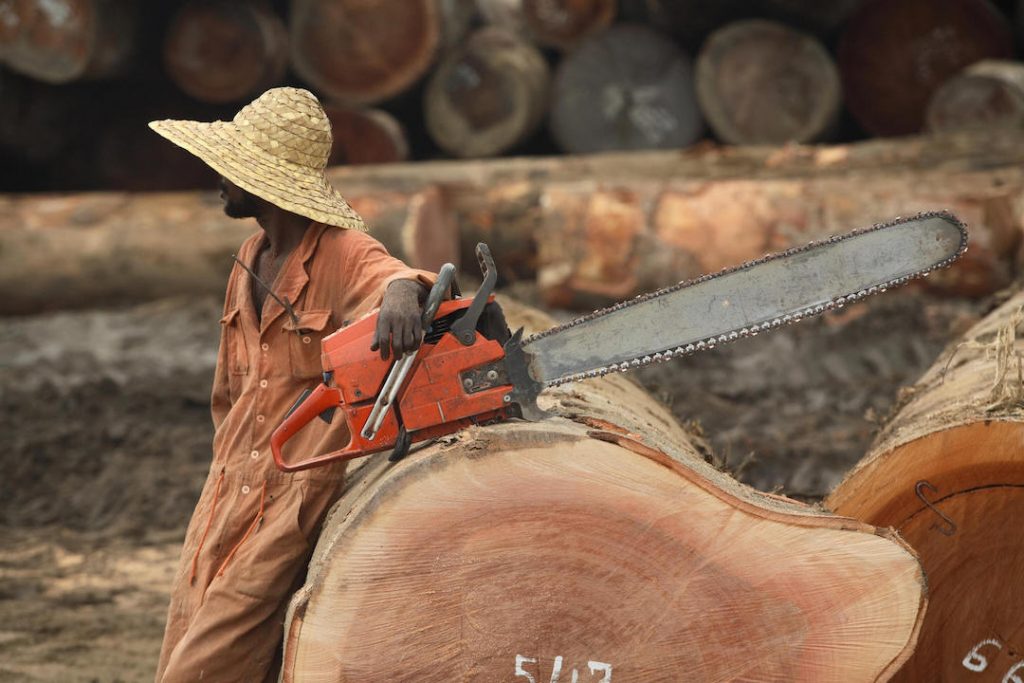
Open-pit mining requires clearing vegetation across potentially large areas (100+ hectares for major operations). Habitat loss threatens biodiversity, particularly in sensitive ecosystems like rainforests in the Congo Basin and West Africa.
Mitigation: Reclamation planning that restores vegetation post-mining; conservation offsets protecting equivalent habitat elsewhere; adherence to biodiversity standards like the IFC Performance Standards.
Water Pollution: Cyanide and Mercury
Chemical leaching and processing generate waste streams potentially containing cyanide, mercury, and heavy metals. Inadequate water management contaminates groundwater, surface water, and agricultural land.
Mitigation: Closed-loop water systems minimizing discharge; cyanide destruction before tailings disposal; lined tailings dams preventing seepage; regular water quality monitoring; development of non-toxic extraction alternatives.
Soil Erosion and Land Degradation
Placer mining and hydraulic mining destabilize riverbanks and alluvial deposits, causing severe erosion and altering landscape topology. Dewatering of underground mines can affect groundwater tables and agricultural water availability.
Mitigation: Slope stabilization; sediment control structures; groundwater monitoring and management; post-mining land reclamation planning.
Energy Use and Carbon Emissions
Mining and processing are energy-intensive, consuming approximately 50-100 MWh per ton of ore processed. Operations in regions relying on fossil fuel power contribute significantly to greenhouse gas emissions.
Mitigation: Renewable energy adoption (solar, wind, hydroelectric); energy efficiency improvements; process optimization; carbon offset programs.
Tailings Management: The Biggest Risk
Tailings—finely ground waste rock and processing residues—are stored in dams. Catastrophic tailings dam failures cause environmental disasters, as demonstrated by the Brumadinho dam collapse in Brazil (2019), which killed 270 people and devastated downstream ecosystems.
Mitigation: Rigorous dam engineering and monitoring; alternative tailings storage (dry stacking, in-pit disposal); regular safety audits; emergency response plans; insurance and bonding for closure costs.
Social and Community Impacts
Community Displacement and Consent
Large-scale mining often requires relocating local populations, disrupting traditional livelihoods and cultural practices. Modern standards require Free, Prior, and Informed Consent (FPIC) from affected communities.
Health Risks
- Mercury exposure in artisanal mining causes neurological damage
- Cyanide exposure risks occur with inadequate workplace safety
- Dust inhalation causes silicosis and respiratory disease
- Poor sanitation and disease vectors spread illness in mining camps
Economic Benefits and “Boom-Bust” Cycles
Mining creates employment and infrastructure (roads, electricity) but often leads to price volatility and economic instability when mines deplete or close.
Conflict Gold and Exploitation
In some regions (parts of East and Central Africa), gold mining finances armed conflicts or involves exploitative labor practices and child labor.
Building Responsible Supply Chains
Organizations promoting responsible gold include:
- World Gold Council: Develops standards for responsible mining
- Fair Trade Gold: Certifies ethical production in artisanal operations
- Responsible Gold Mining Principles: Framework for environmental and social performance
- ICMM (International Council on Mining and Metals): Sets industry standards
Companies sourcing gold—including Africa Gold Suppliers—increasingly prioritize ethical sourcing, community engagement, and environmental compliance.
Part 5: Economic and Technical Challenges in Gold Mining
Capital and Operating Costs
Exploration Costs: $10-100 million for surveys, drilling, and feasibility studies (may not lead to productive mining)
Mine Development: $100 million to $1+ billion for infrastructure (mining equipment, processing plant, power supply, roads, water management, administrative facilities)
Operating Costs: Vary by mine type and location but typically include:
- Labor: $100-500/ton ore
- Energy: $50-300/ton ore (major cost driver in developing regions)
- Chemicals: $20-100/ton ore (cyanide, flotation reagents, refining chemicals)
- Equipment maintenance and replacement: $50-200/ton ore
- Environmental compliance and monitoring: $10-50/ton ore
All-in Sustaining Costs (AISC): Modern gold mining averages $1,200-1,500 per ounce (2024-2025), meaning operations are profitable at current gold prices (~$2,500/oz) but vulnerable to price declines.
Closure and Reclamation Costs: $50 million to $500+ million for tailings management, land reclamation, and environmental monitoring (often lasting decades post-closure)
Technical Challenges
Low-Grade Ores and Declining Gold Concentrations
Modern gold deposits have grades as low as 0.3-1.0 grams per ton, meaning processing 1,000 tons of ore yields only 1 kilogram of gold. This requires processing increasingly large ore volumes, making efficiency critical.
Deep Deposits and Underground Mining Complexity
As shallow deposits are depleted, mining moves deeper (500-4,000+ meters), increasing:
- Equipment and infrastructure costs
- Ventilation and safety challenges
- Geological complexity and uncertainty
- Geothermal gradient effects (temperature increases 25-30°C per kilometer of depth)
Refractory Ores
Some deposits contain gold locked in sulfide minerals (arsenopyrite, pyrite) that resist conventional cyanide leaching. Processing refractory ores requires:
- Pressure oxidation (heating in pressurized oxygen atmosphere)
- Roasting (high-temperature heating in oxidizing environment)
- Bacterial oxidation (using naturally occurring bacteria)
These methods add $200-500/ton to processing costs but unlock otherwise uneconomic deposits.
Market Volatility and Price Sensitivity
Gold prices fluctuate based on global economic conditions, currency movements, geopolitical instability, and investor sentiment. Price variations directly affect profitability:
- At $2,500/oz: Most operations are profitable
- At $2,000/oz: Marginal operations close; only lowest-cost producers remain profitable
- At $1,500/oz: Most operations become uneconomical
This volatility creates challenges for long-term investment planning and workforce stability.
Part 6: Legal and Regulatory Framework for Gold Mining
Gold mining is heavily regulated to protect worker safety, environmental quality, and community welfare. Compliance requirements vary significantly by country but typically include:
Permitting and Environmental Assessment
- Exploration permits allowing geological surveys
- Environmental Impact Assessment (EIA) identifying potential environmental and social impacts
- Operating permits authorizing mining activities
- Water and discharge permits regulating environmental releases
International Standards and Certification
- International Cyanide Management Code: Sets standards for safe cyanide handling, transportation, and disposal
- LBMA (London Bullion Market Association) Standards: Establish purity and chain-of-custody requirements for refined gold
- IFC Performance Standards: Guide environmental and social risk management
- ISO 14001: Environmental management system certification
- Fairtrade Gold: Certification for responsible artisanal mining
National Regulatory Differences
- Australia, Canada, South Africa: Stringent environmental regulations and strong enforcement
- Ghana, Tanzania, Uganda: Moderate regulation with improving enforcement
- DRC and some West African nations: Weaker regulatory frameworks and inconsistent enforcement; illegal mining remains significant
Anti-Money Laundering and Conflict Gold Regulations
- Dodd-Frank Act (USA): Requires due diligence on conflict minerals, including gold
- OECD Guidance: Due diligence standards for responsible supply chains
- EU Conflict Minerals Regulation: Traceability requirements for minerals from conflict-affected regions
Part 7: Technological Innovations Improving Gold Extraction
Automation and Remote Operation
- Autonomous haul trucks reduce operator fatigue and improve safety
- Remote operation centers allow management of equipment from offices kilometers away
- Drone surveys map mines and monitor environmental compliance
- Real-time monitoring systems track equipment performance and environmental parameters
Artificial Intelligence and Machine Learning
- Predictive modeling identifies promising exploration targets with higher accuracy
- Machine vision systems detect processing equipment failures before breakdowns
- AI optimizes milling parameters, improving recovery and reducing energy use
- Autonomous drilling systems adjust parameters based on rock properties
Green Chemistry Alternatives
Research continues into non-toxic leaching agents:
- Thiosulfate leaching: Shows promise for sulfide ores but currently costs 20-30% more than cyanide processing
- Glycine-based leaching: Biodegradable and non-toxic but still under development
- Chloride leaching: Potentially recovers gold from certain ore types but requires further optimization
Urban Mining and Recycling
Extracting gold from electronic waste (“e-waste”) recovered approximately 280+ tons globally in 2023—about 9% of annual gold production. Urban mining:
- Reduces reliance on new ore extraction
- Requires less energy than traditional mining
- Reduces environmental impact
- Provides opportunities for developing-region recycling industries
Part 8: Steps to Enter Gold Mining and Extraction
For individuals or companies considering entry into gold mining:
1. Research and Education
- Study mining geology, metallurgy, and extraction techniques
- Understand regulatory requirements in target countries
- Research current gold market dynamics and price forecasts
- Learn about environmental and social compliance standards
2. Secure Funding
- Develop a detailed business plan and feasibility study
- Partner with experienced investors or mining companies
- Explore government mining funds and development banks in Africa
3. Obtain Exploration and Mining Licenses
- Apply for exploration permits with geological surveys and workplans
- Engage with local communities and government authorities
- Develop environmental and social impact management plans
- Obtain environmental permits before mining begins
4. Develop or Acquire Gold Deposits
- Conduct exploration if starting from prospecting stage
- Evaluate existing licenses or mining concessions
- Conduct thorough feasibility studies before major investment
- Consider partnerships with established gold suppliers and operators in Uganda and Congo
5. Invest in Equipment and Infrastructure
- Procure mining equipment (excavators, drilling equipment, haul trucks)
- Build processing facilities (crushers, mills, leaching tanks)
- Develop power, water, and waste management systems
- Establish laboratory facilities for assaying and quality control
6. Hire Specialized Expertise
- Mining engineers with practical experience
- Geotechnical engineers for mine stability
- Metallurgists for process optimization
- Environmental specialists and health-and-safety managers
- Regulatory and community relations managers
7. Implement Responsible Mining Practices
- Develop comprehensive environmental management plans
- Establish worker health and safety programs
- Engage with local communities on benefits and mitigation
- Plan for mine closure and land reclamation from project inception
- Implement traceability and conflict-free sourcing certification
Part 9: Global Gold Extraction and Supply Dynamics
Major Producing Countries and Regions
China: Approximately 360 metric tons annually (12% of global production); primarily from hard rock deposits in central China and increasing small-scale operations
Australia: Approximately 310 metric tons annually; world-class deposits with modern technology and strong environmental standards
Russia: Approximately 300+ metric tons annually; major Far Eastern and Siberian deposits
South Africa: Approximately 100+ metric tons annually; historically the world’s largest producer but declining due to depleting reserves and operational challenges
Canada: Approximately 180+ metric tons annually; major producer with stringent environmental standards
Emerging Producers in Africa:
- Ghana: 40-50 metric tons annually; West Africa’s largest producer with improving regulatory framework
- Tanzania: 45-55 metric tons annually; significant recent discoveries attracting major investment
- Uganda: 15-20 metric tons annually; growing production from placer and small-scale operations
- Democratic Republic of Congo: 20-30 metric tons annually; major potential but challenged by regulatory weakness and artisanal dominance
Artisanal and Small-Scale Mining (ASM) Contribution
Approximately 15-20% of global gold supply comes from artisanal operations, particularly in Africa, Latin America, and Southeast Asia. ASM provides livelihoods for 15+ million people globally but faces challenges related to environmental impact, health risks, and social exploitation.
Recycling’s Growing Role
Approximately 30% of gold supply comes from recycling—old jewelry, discarded electronics, industrial scrap, and dental materials. Urban mining from e-waste represents the fastest-growing gold source and is expected to provide 10-15% of global supply by 2030.

Frequently Asked Questions (FAQs) About Gold Extraction
Q: What’s the most profitable gold extraction method?
A: For large deposits, open-pit mining with modern processing achieves the lowest per-unit costs. For small-scale operations, placer mining methods (sluicing, panning) have minimal capital requirements. Profitability depends on gold price, ore grade, location, and access to capital and expertise. At current prices, operations with AISC below $1,500/oz are generally profitable.
Q: How long does it take to develop a gold mine from exploration to production?
A: Typically 5-10 years. Exploration may take 3-7 years; permitting and environmental assessment 1-3 years; construction 1-2 years. In regions with streamlined permitting and existing infrastructure, development can be faster.
Q: What percentage of gold extracted ends up as refined bullion?
A: With modern processing, 85-95% of gold in ore is typically recovered as refined product. Recovery rates depend on ore type (low-grade deposits have lower recovery), processing method, and plant efficiency. High-quality operations achieve 90%+ recovery.
Q: Is cyanide leaching safe?
A: When properly managed, cyanide leaching is safe for workers, communities, and the environment. However, accidents do occur due to inadequate training, poor equipment maintenance, or infrastructure failures. Modern standards require enclosed systems, regular testing, cyanide destruction before tailings disposal, and comprehensive monitoring.
Q: Can small-scale miners compete with industrial operations?
A: Small-scale operations typically cannot compete on cost but can access deposits too small or remote for industrial mining. ASM often operates in rural areas where opportunities are limited. Value addition (producing refined rather than raw gold) and certification (Fair Trade, Fairtrade Gold) help small operators achieve better prices.
Q: How much capital is required to start gold mining?
A: Artisanal panning requires minimal capital (under $1,000); small sluicing operations $10,000-100,000; medium placer mining operations $500,000-5 million; small hard rock mines $10-100 million; major industrial mines $500 million to $2+ billion.
Q: What are the main risks in gold mining ventures?
A: Price volatility (gold prices fluctuate 20-30% annually), geological risk (deposits may be smaller or lower-grade than expected), operational risk (equipment failures, labor disruptions), regulatory risk (permitting delays, changing regulations), environmental liability (contamination requiring expensive remediation), and market risk (inability to sell produced gold).
Conclusion: Responsible Gold Extraction and Strategic Sourcing
Extracting gold is a complex, capital-intensive process requiring geological expertise, advanced technology, substantial investment, and careful attention to environmental and social impacts. From initial exploration identifying gold deposits to final refining producing investment-grade bullion, each stage presents technical, economic, and regulatory challenges.
The global gold industry is evolving toward greater sustainability, with increasing emphasis on responsible sourcing, community engagement, and environmental protection. Technologies like automation, AI-assisted optimization, and alternative processing methods are improving efficiency and reducing environmental impact. Meanwhile, recycling and urban mining represent growing opportunities to meet gold demand without expanding extraction.
For investors, companies, and entrepreneurs considering gold mining ventures, success requires comprehensive understanding of geology, metallurgy, economics, regulations, and environmental stewardship. Whether pursuing large-scale industrial mining or community-based artisanal operations, responsible practices create value for investors, benefit local communities, and protect ecosystems for future generations.
Ready to Source Certified Gold from Africa’s Proven Deposits?
If you’re looking to acquire certified, investment-grade 24K gold bars, gold nuggets, or raw gold, partnering with experienced African producers provides direct access to verified supply, competitive pricing, and secure delivery.
Africa Gold Suppliers Limited specializes in sourcing mine-direct gold from Uganda’s richest deposits and the Democratic Republic of Congo, offering:
- ✓ Certified 24K, 22K, and 18K refined gold with independent assay verification
- ✓ Direct relationships with verified mining operations and communities
- ✓ Competitive pricing 3-5% below global spot for bulk purchases
- ✓ Secure international delivery with full customs documentation
- ✓ Transparent supply chains meeting OECD responsible sourcing standards
Whether you’re sourcing gold bullion for investment, acquiring raw gold for processing, or interested in direct mining partnerships, our team of mining engineers and sourcing specialists ensures quality, compliance, and reliability.
Request a competitive quote today or book a call with our sourcing team to discuss your gold sourcing requirements. With 10+ years of experience and established supply relationships across Africa’s premier gold-producing regions, we deliver the reliability, expertise, and value international buyers expect.
Related Pages
Explore these related resources to deepen your understanding of gold sourcing, investment, and African mining:
-
Gold Mining in Uganda and Congo: Proven Deposits & Sourcing — Detailed overview of mining operations and sourcing in East and Central Africa’s most productive regions
-
How to Buy Gold Online Safely: Verification, Payment & Delivery — Essential guide to secure gold purchases, payment methods, and authentication
-
Gold Deposits in Africa: Where Production is Concentrated — Geological overview of major African gold-bearing regions and their production capacity
-
Exporting Gold Bullion: Permits, Documentation & Compliance — Comprehensive guide to legal requirements and logistics for international gold transport
-
Buy Gold Bullion Online: 24K Bars, Nuggets & Certified Bullion — Direct purchasing options for investment-grade bullion with secure delivery
-
Gold Producing Countries in Africa: Production Volume & Quality Rankings — Comparative analysis of African producers and their export capacity
-
Buy Gold from Local Miners: Direct Sourcing & Fair Pricing — Direct sourcing opportunities supporting artisanal and small-scale mining communities
-
24K Gold Bars, 22K & 18K: Purity, Value & Investment Grade — Detailed explanation of gold purity standards and investment applications