
24 Carat Gold Price in Congo Today Per Gram in USD
The 24 carat gold price in Congo changes daily based on the international gold spot price, USD exchange rates, gold purity, and local market conditions. Since 24K gold is approximately 99.9% pure, its value is mainly determined by the global gold price, with additional costs added for assay, refining, transportation, compliance, and dealer margins.
The Democratic Republic of Congo (DRC) is one of Africa’s important gold-producing countries, with significant gold deposits and active artisanal and industrial mining sectors.
Major gold-producing areas, particularly in eastern Congo, require careful due diligence because buyers must verify legal sourcing, proper documentation, and responsible supply-chain practices.
This guide explains how the 24 carat gold price in Congo is calculated, how much 24K gold is worth per gram, kilogram, and ounce, and the factors that influence the final buying price.
You will also learn how to buy gold safely in Congo, including gold bars, gold nuggets, gold dust, and bullion from verified suppliers with proper assay certificates and legal documentation.
Whether you are an investor, international buyer, jeweller, or gold trader, understanding Congo’s gold market, purity standards, and verification process is essential before making a purchase.
Is Gold Cheap in Congo?
Gold prices in the DRC are relatively competitive, slightly below the wider African average of roughly $140–$142/gram. This is due to the DRC’s vast gold reserves, significant artisanal mining output, and local market dynamics.
Prices fluctuate based on global trends, currency movements in the Congolese Franc, and regional instability. While unrefined gold can be cheaper, risks like counterfeit product and undocumented sourcing persist — particularly from eastern mining regions.
Buyers should source from licensed dealers like Africa Gold Suppliers Ltd for authenticity. Compared to other African nations, DRC’s gold is affordable but requires careful verification.
Current 24 Carat Gold Price in Congo
Gold prices are influenced by global benchmarks set by the London Bullion Market Association (LBMA), but local market factors in Congo can cause prices to differ slightly from global rates.
Below is a table showing live gold price in congo per gram;

Is It Cheaper to Buy Gold Directly from Congo?
Yes — buying gold directly from Congo is often cheaper than purchasing from local jewelers or international markets. Congo is one of Africa’s richest gold-producing countries, meaning buyers can access raw gold, gold bars, and gold nuggets closer to the source without heavy middleman markups.
That said, costs like export permits, taxes, refining, and shipping must be factored in. While raw gold in Congo may be priced lower per gram, proper due diligence is essential to avoid scams and ensure legal, traceable transactions.
Purity Standards and Certification
24K gold (99.9% pure) is the most commonly traded standard in Congo, but buyers must verify authenticity through assay certification. Certified gold is tested by reputable labs using fire assay or X-ray fluorescence to confirm purity.
Legitimate dealers provide certificates of authenticity showing weight, purity (24K, 22K, or 18K), and origin. International buyers should request LBMA-standard certification for export compliance and resale assurance — working with a licensed exporter is what protects you from counterfeit or misrepresented gold during trade in Congo.
Bulk Discounts on 24K Gold in Congo
Bulk discounts are available when buying larger quantities of 24K gold in Congo through licensed dealers who work directly with miners and suppliers — the cost per gram or per kilogram typically decreases as purchase volume increases.
Whether you’re investing in gold bars, nuggets, or raw gold, buying in bulk generally secures more favorable pricing than small-scale retail purchases.
Factors Affecting 24 Carat Gold Price in Congo
- International gold market — Congo’s local price tracks global gold prices directly; any shift in the international market feeds through to local pricing.
- Demand and supply — Congo is one of Africa’s top gold producers, so local supply and export demand both shape pricing; increased demand raises prices, surplus can lower them.
- Mining costs and regulations — government policy, taxes, and licensing requirements all influence the price of 24K gold in Congo.
- Currency exchange rates — since gold trades in USD globally, Congolese Franc fluctuations against the dollar directly affect local prices.
- Purity and certification — certified, properly documented gold commands a premium over unverified material.
Where to Buy 24 Carat Gold in Congo
- Gold markets and dealers — major markets in Kinshasa, Lubumbashi, and Goma have gold dealers selling 24K bars and coins; always verify authenticity before purchasing.
- Gold mining companies — licensed mining firms sell directly to investors, often at competitive rates for high-quality gold.
- Online gold dealers — trusted platforms like Africa Gold Suppliers Ltd offer secure transactions with international delivery.
- Banks and financial institutions — some facilitate gold purchases for investment purposes.
How to Get the Best Price for 24 Carat Gold in Congo
- Compare prices across multiple dealers and platforms.
- Verify authenticity — insist on testing and certification from a recognized authority.
- Avoid unlicensed sellers — buy only from registered, reputable dealers.
- Negotiate for bulk purchases — larger quantities typically unlock better pricing.
- Monitor market trends — track international gold prices to time your purchase well.
Overview of the Congo Gold Market
The DRC is a major player in Africa’s gold sector, though it faces real challenges from regional conflict and instability. The country produced approximately 27.9 tonnes of gold in 2024, generating around $1.5 billion in export revenue, with industrial mining accounting for roughly 94% of output and artisanal mining contributing about 6%.
Kibali Gold Mine dominance. The Kibali Gold Mine, operated by Kibali Goldmines (a joint venture of Barrick, AngloGold Ashanti, and SOKIMO), accounted for approximately 99.6% of DRC’s industrial gold production in 2024 — around 26,075 kg — and remained similarly dominant into early 2025.
Artisanal mining and export challenges. Artisanal and small-scale mining, particularly in eastern regions like Ituri, North Kivu, and South Kivu, remains significant but faces ongoing legal and security hurdles. Official artisanal exports fell sharply from 5.18 tonnes in 2023 to just 1.75 tonnes in 2024. In January 2025, state-owned DRC Gold Trading SA exported 200 kg of ASM gold as part of a formalization effort for the sector.
Pricing dynamics. Interestingly, artisanal gold in the DRC has often sold at a higher price per kilogram than industrial output, reflecting direct sourcing and the premium buyers pay for locally-negotiated artisanal material versus large-scale institutional supply.
Risks Affecting the Congo Gold Market
Ongoing conflict in eastern DRC remains a serious factor: armed groups including M23 and CODECO control parts of key mining zones, disrupting formal operations and encouraging smuggling routes through neighboring countries.
Elevated gold prices have, if anything, increased the incentive for armed groups to contest control over mining areas, which is why conflict-free certification and full supply chain documentation matter more in Congo than in almost any other African gold market. Any dealer offering Congo-origin gold without this documentation should be treated with real caution, regardless of price.
Gold Dealers in Congo
The DRC has a growing network of licensed exporters, refiners, and trading companies operating under government regulation to ensure product quality and legal compliance.
Africa Gold Suppliers Ltd partners directly with reputable Congo gold dealers to provide secure access to high-purity gold bars, backed by certified documentation, competitive pricing, and safe international shipping.
Exporting Gold from the DRC
Exporting gold from the DRC requires compliance with several legal frameworks:
- Licensing — exporters must hold valid mining or trading licenses from the Ministry of Mines.
- Registration — registration with the Central Bank of Congo (BCC) is required for international transactions.
- Documentation — proof of origin, export permits, assay reports verifying purity, and customs declarations.
- Conflict-free certification — gold must be certified conflict-free to confirm it doesn’t finance armed groups or contribute to human rights abuses, in line with OECD Due Diligence Guidance and ICGLR certification standards.
See our full guide on exporting gold bullion for the complete documentation process.
Gold in Eastern Congo and Goma
Eastern Congo — Ituri, North Kivu, and South Kivu — holds substantial gold deposits, with artisanal miners in these regions often selling unrefined gold at a premium to industrial rates given the direct, localized sourcing.
Goma, in North Kivu, remains a key regional gold trading hub, though buyers should treat sourcing verification here as non-negotiable given the security situation.
Work only with dealers who source through licensed exporters and trusted local partners offering certified, conflict-free 24K gold.
Congo Gold Purity Levels
- 24K Gold — 99.9% pure, the highest standard available.
- 22K Gold — 91.7% pure, balancing purity with durability.
- 18K Gold — 75% pure, common in jewelry for its strength.
- 14K Gold — 58.3% pure, valued for resilience and affordability.
- 10K Gold — 41.7% pure, the minimum karat designation recognized in the US.
24K gold trades at a modest premium over 22K given its higher purity — for investment purposes, 24K remains the preferred standard, while 22K suits jewelry intended for daily wear.
Logistics, Insurance, and Tax Costs
When buying 24K gold in Congo, budget for:
- Logistics — handling, packaging, and international shipping, typically starting around $40–$80 per kilogram.
- Insurance — usually 1–2% of shipment value, essential for protecting gold bars, nuggets, or raw gold in transit.
- Taxes and export duties — set by Congolese authorities, typically adding 3–5% to total cost.
Partnering with a licensed dealer ensures all of this is handled transparently as part of the transaction, rather than as a surprise add-on.
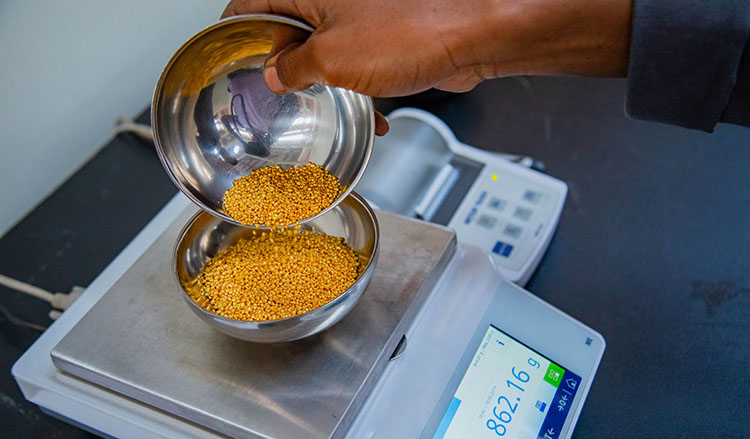
FAQs – 24 Carat Gold Price in Congo
What’s the cheapest country for 24 carat gold in Africa? Uganda and Congo are generally the most competitive, with Uganda typically running slightly lower due to favorable taxation and lower operational costs.
Can I buy gold from Congo? Yes — through licensed dealers like Africa Gold Suppliers Ltd, ensuring authenticity and full regulatory compliance.
What’s the gold price in Dubai for comparison? 24K gold in Dubai runs approximately $140–$143 per gram, reflecting tax-free policies and strong demand.
Ready to Invest in Pure, Certified Gold from Congo?
Partner with Africa Gold Suppliers Ltd for secure, transparent, and fully documented gold buying. We offer certified 24K and 22K gold at competitive, spot-referenced prices, with full assay certification and reliable international delivery. Contact us today to start your gold investment journey with confidence.